


LET'S UNLOCK WORDS AND PHRASES 🔐
conflict
/KON-flikt/
The conflict between the two countries has led to a severe humanitarian crisis.
conquest
/KON-kwest/
The conquest of the city marked the end of the war.
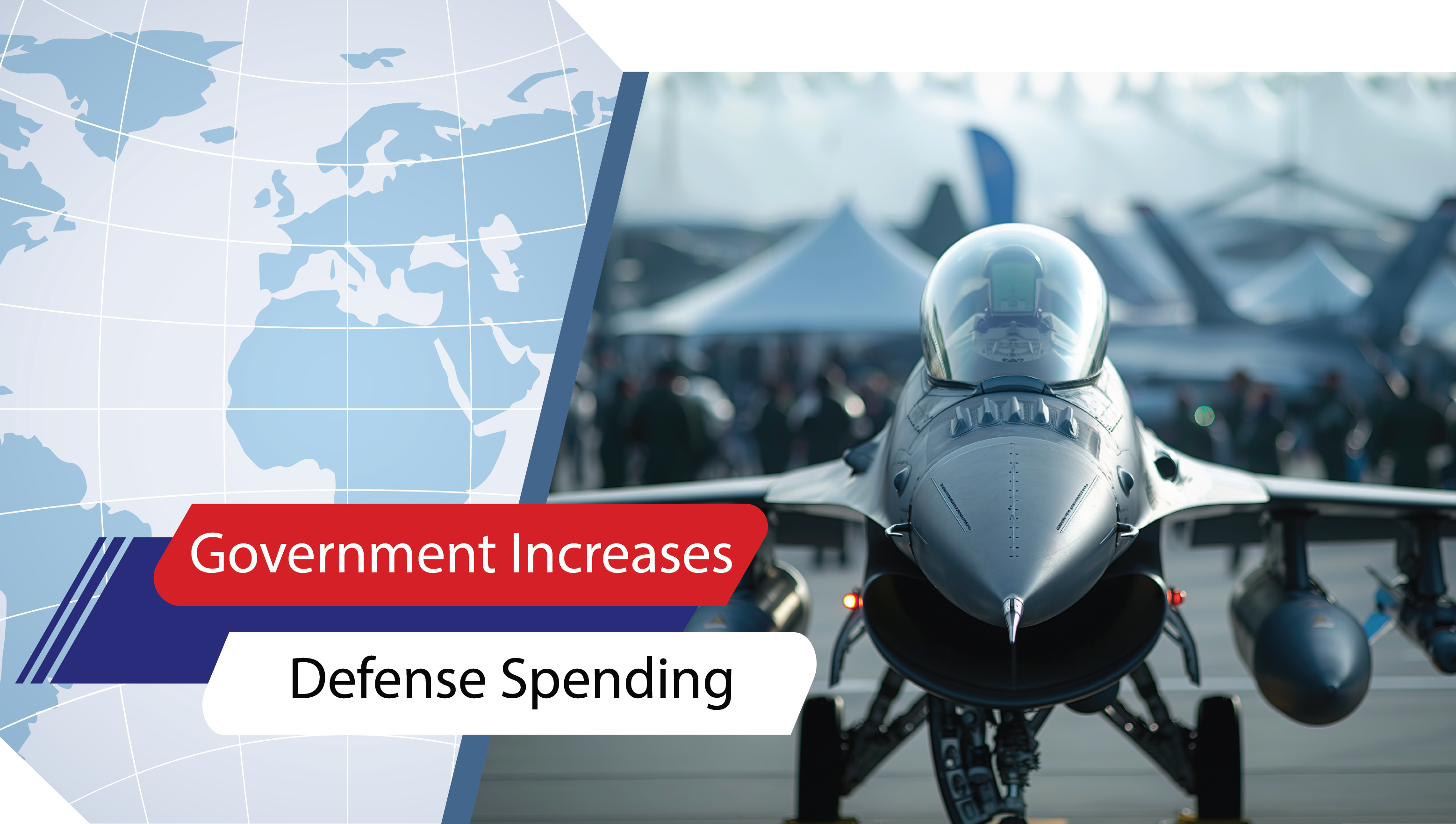
defense spending
/di-FENS SPEN-ding/
The country increased its defense spending in response to rising tensions in the region.
destruction
/di-STRUK-shun/
The war resulted in widespread destruction across the region.
discharge
/DIS-chahrj/
After the ceasefire, many soldiers were discharged from active duty.
dispute
/di-SPYOOT/
The territorial dispute between the two countries remains unresolved.
dump
/DUMP/
The military was accused of dumping hazardous waste in civilian areas.
fleet
/FLEET/
The navy deployed a fleet to the disputed waters.
fort
/FORT/
The soldiers took refuge in the fort during the attack.
memorial service
/muh-MOHR-ee-uhl SUR-viss/
A memorial service was held to honor the soldiers who lost their lives in the conflict.
national security
/NASH-uh-nuhl si-KYOOR-uh-tee/
The government emphasized the importance of national security in its latest policy.
occupation
/OK-yoo-PAY-shun/
The occupation of the city lasted for several years.
offensive
/uh-FEN-siv/
The army launched a major offensive to reclaim the territory.
pentagon
/PEN-tuh-gon/
The Pentagon announced an increase in defense spending for the upcoming year.
provocation
/PROV-uh-KAY-shun/
The missile test was seen as a provocation by neighboring countries.
pull out
/PULL owt/
The troops were ordered to pull out from the occupied region by the end of the month.
LET'S LISTEN! 🎧
Direction: Listen to the news and answer the comprehension questions below.
COMPREHENSION QUESTIONS
1.Why did the government decide to increase defense spending?
2. What event was the memorial service held for?
3.What is the main concern regarding the disputed territories?
4.What could prevent the broader confrontation mentioned in the article?
LET'S PRACTICE 🎬
You are a government advisor discussing with a military official the implications of increasing defense spending. You need to evaluate the risks and benefits, considering recent provocations and potential conflicts. Use the vocabulary from the lesson in your discussion.
TASKS
1. Discuss the reasons for the proposed increase in defense spending and its impact on national security.
2. Evaluate the risks of provocation and how they might lead to conflict or offensive actions.
3. Discuss the importance of holding a memorial service to honor those who have died in recent conflicts.
LET'S DISCUSS
- How do you think a country should respond to provocations from another nation?
- What are the long-term effects of occupation on a region and its people?
- Can increased defense spending always be justified in the name of national security? Why or why not?
- How important is it to resolve disputes diplomatically rather than through military means?