


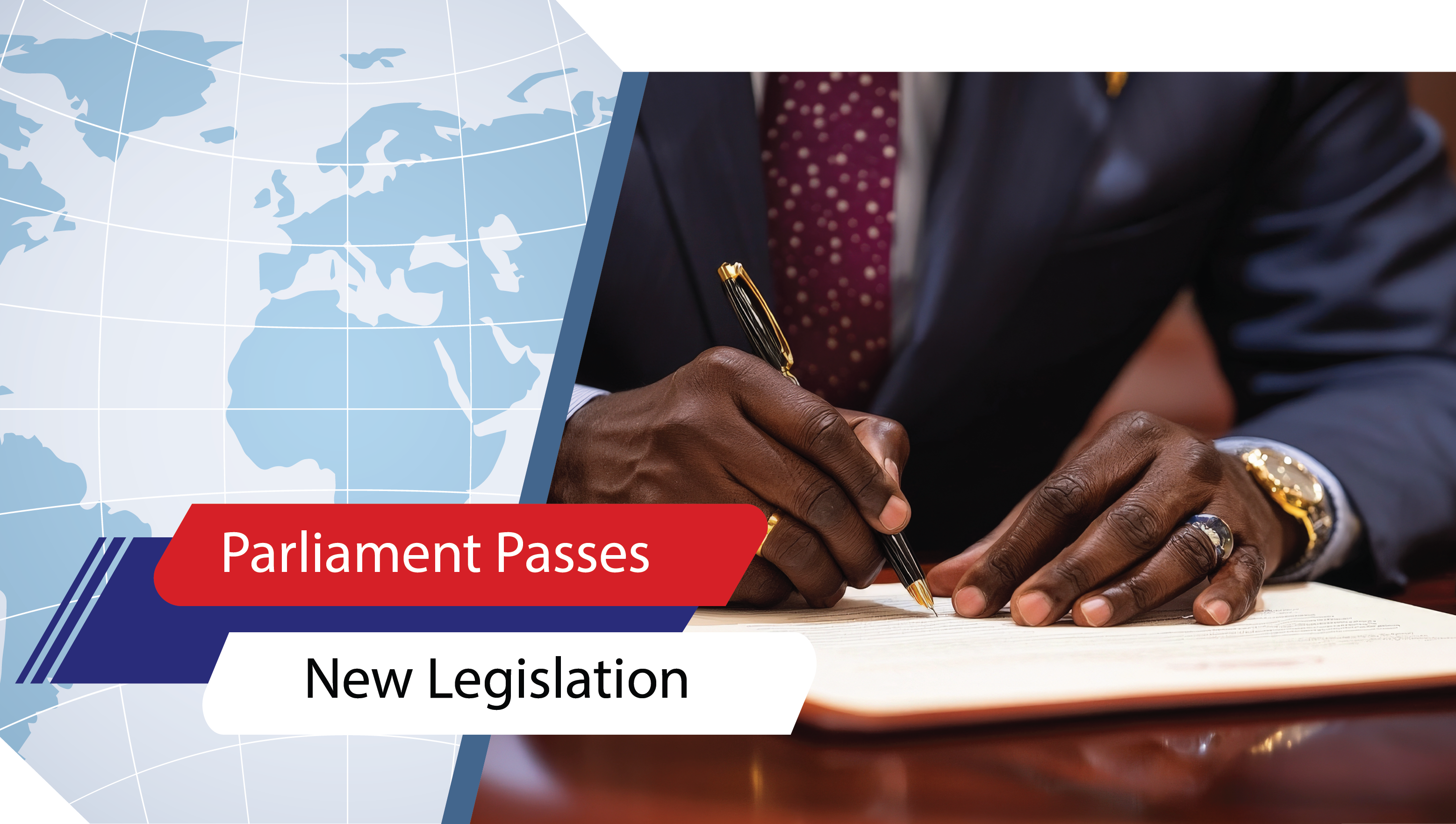
LET'S UNLOCK WORDS AND PHRASES 🔐
internal document
/in-TUR-nul DAH-kyuh-ment/
The internal document outlined the new policy changes for staff.
legislation
/leh-jis-LAY-shun/
The new legislation aims to improve environmental protections.
lower house
/LOH-er HAWS/
The bill passed in the lower house before moving to the upper house for further debate.
measure
/MEH-zher/
The senator introduced a measure to increase funding for education.
minister
/MIN-uh-ster/
The minister announced new initiatives to support small businesses.
ministry
/MIN-uh-stree/
The Ministry of Health released new guidelines for public safety.
mission
/MISS-shun/
The mission of the organization is to provide humanitarian aid to those in need.
motion
/MOH-shun/
The motion to extend the meeting was approved by a majority vote.
opponent
/uh-POH-nent/
The opponent criticized the government's approach to healthcare reform.
oval office
/OH-vul AW-fis/
The President met with advisors in the Oval Office to discuss the new policy.
pardon
/PAHR-dun/
The President granted a pardon to the former governor.
parliament
/PAHR-luh-ment/
The proposed law was debated in Parliament for several weeks.
party
/PAHR-tee/
The Democratic Party is focused on social justice and equality.
pillar
/PIL-ur/
Education is a pillar of our society that requires investment.
province
/PROV-ins/
Each province has its own government and regulations.
recess aid
/REE-sess/
The international community sent humanitarian aid to the earthquake-stricken region.
LET'S LISTEN! 🎧
Direction: Listen to the news and answer the comprehension questions below.

COMPREHENSION QUESTIONS
1.What is the purpose of the new legislation passed by Parliament?
2. Who introduced the measure in the lower house?
3.What did the President do in relation to business owners?
4.What is the significance of small businesses according to the article?
LET'S PRACTICE 🎬
You are a journalist interviewing a government official about the new legislation passed by Parliament. Your task is to ask questions and discuss the following topics using the vocabulary learned: Use at least three of the vocabulary words during the conversation.
TASKS
Legislation:Ask the official about the details of the new legislation and its expected impact.
Minister: Inquire about the role of the Minister of Economy in introducing the measure.
Parliament: Discuss the process Parliament followed to pass the legislation.
LET'S DISCUSS
- How does legislation affect the daily operations of small businesses?
- What are the roles of different political parties in shaping laws?
- Why is it important for Parliament to debate proposed measures before passing them?
- How do recess periods in Parliament influence legislative processes?
- What impact do internal documents have on government decision-making?