


LET'S UNLOCK WORDS AND PHRASES 🔐
penalty
[ 'pen-l-tee ]
The penalty for driving without a license can include a hefty fine or even jail time.
proof
[ proof ]
The lawyer presented solid proof to support his client's innocence.
suit
[ soot ]
She filed a suit against the company for unfair dismissal.
suspicion
[ suh-'spish-uhn ]
His suspicious behavior raised everyone's suspicion about his intentions.
trail
[ treyl ]
The hikers followed a narrow trail that led to the mountain peak.
trial
[ trahy-uhl, trahyl ]
The trial lasted for several weeks before the verdict was announced.
warrant
[ 'wawr-uhnt, 'wor- ]
The police executed the arrest based on a warrant issued by the judge.
witness
[ 'wit-nis ]
The witness described seeing the suspect near the scene of the robbery.
evident
[ 'ev-i-duhnt ]
It was evident from her tears that she was deeply moved.
on the charges of
[ on the 'chahrj-es of]
The suspect was arrested on the charges of theft and fraud.
on the spot
[ on the 'spot ]
The employee was hired on the spot after a successful interview.
rebel
[ 'reb-uhl ]
The rebel led a group against the oppressive regime.
solitary
[ 'sol-i-ter-ee ]
He spent years in a solitary cabin in the mountains.
stern
[ fi-'nan-shuhl, fahy- ]
The teacher gave a stern warning to the students about cheating.
trivial
[ 'triv-ee-uhl ]
The argument was over something trivial, like who should do the dishes.
valid
[ 'val-id ]
The ID card was valid, so she was allowed to enter the restricted area.
LET'S LISTEN! 🎧
Direction: Listen to the news and answer the comprehension questions below.
COMPREHENSION QUESTIONS
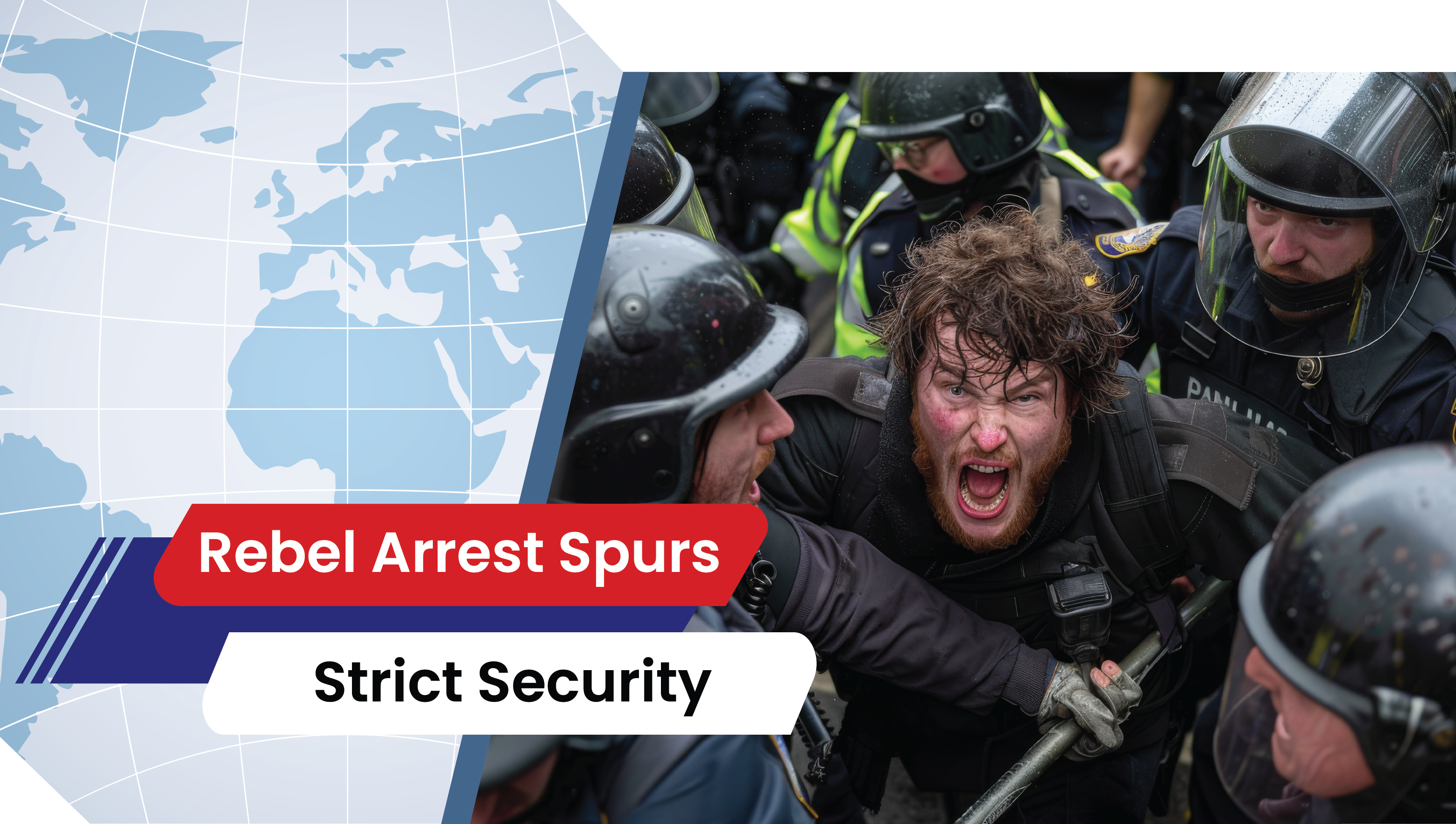
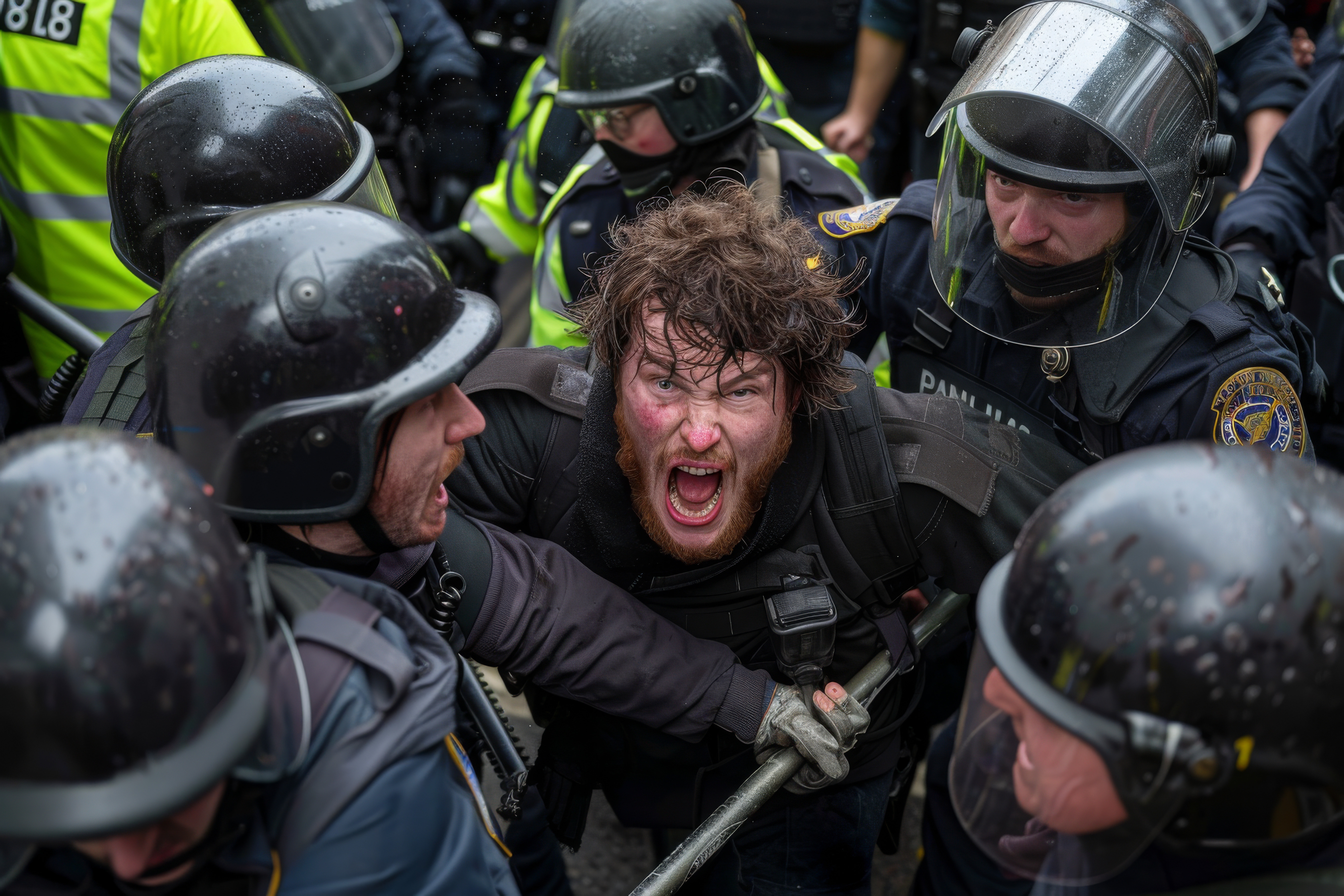
1. What sparked the security measures in the province?
2. Why do critics question the case?
3. What is the government’s response to the arrest?
4. What legal action has the solitary informant taken?
LET'S PRACTICE 🎬
You are telling a friend about a story you read in the news.
TASKS
Task 1: Use the vocabulary words to explain the news story.
Student Example: "The police used a warrant to arrest a suspected rebel. They found proof near the trail to his hideout, but some people think the evidence is trivial."
Task 2: Pretend to ask your teacher why it’s important to have strong proof before arresting someone.
Task 3: Talk with a classmate about why mistakes in court should be fixed.
LET'S DISCUSS
- Why is it important for evidence to be credible and strong in a court case?
- How can governments balance security measures with protecting individual freedoms?
- What are some ways to ensure fairness and accountability in the justice system?
- How do public opinions influence how laws are enforced or interpreted?
- Why is it crucial to prevent mistakes in legal cases, and what can be done to minimize them?