



LET'S UNLOCK WORDS AND PHRASES 🔐
monopoly
/muh-NOP-uh-lee/
The company has a monopoly in the energy sector, controlling over 90% of the market.
necessities
/neh-SESS-uh-teez/
During the recession, people focused on purchasing only necessities like food and housing.
output
/OW-t-put/
The factory’s output increased by 15% this quarter due to higher demand.
productivity
/proh-duhk-TIV-uh-tee/
Improving productivity is key to maintaining a competitive edge in the market.
proposition
/prop-uh-ZISH-un/
The board is reviewing a new business proposition to expand into international markets.
property
/PROP-er-tee/
The company owns several properties in the downtown area.
range
/renyj/
The company offers a wide range of products, from electronics to home goods.
recession
/ri-SESH-un/
The global recession has led to widespread job losses in many industries.
reward
/ree-WORD/
Employees received bonuses as a reward for exceeding their productivity goals.
scheme
/skeem/
The government introduced a new tax scheme to encourage investment in small businesses.
sector
/SEK-tur/
The technology sector has seen significant growth in the past decade.
shareholder's meeting
/SHAIR-hohl-durz MEE-ting/
The annual shareholder’s meeting focused on the company’s plans for expansion.
slowdown
/SLOW-down/
The economic slowdown has impacted consumer spending across all sectors.
spending
/SPEN-ding/
Consumer spending has increased, boosting the retail sector.
statistics
/stuh-TIS-tiks/
According to recent statistics, unemployment rates have dropped by 5%.
transaction
/tran-ZAK-shun/
The company completed a large transaction by acquiring a smaller competitor.
LET'S LISTEN! 🎧
Direction: Listen to the news and answer the comprehension questions below.
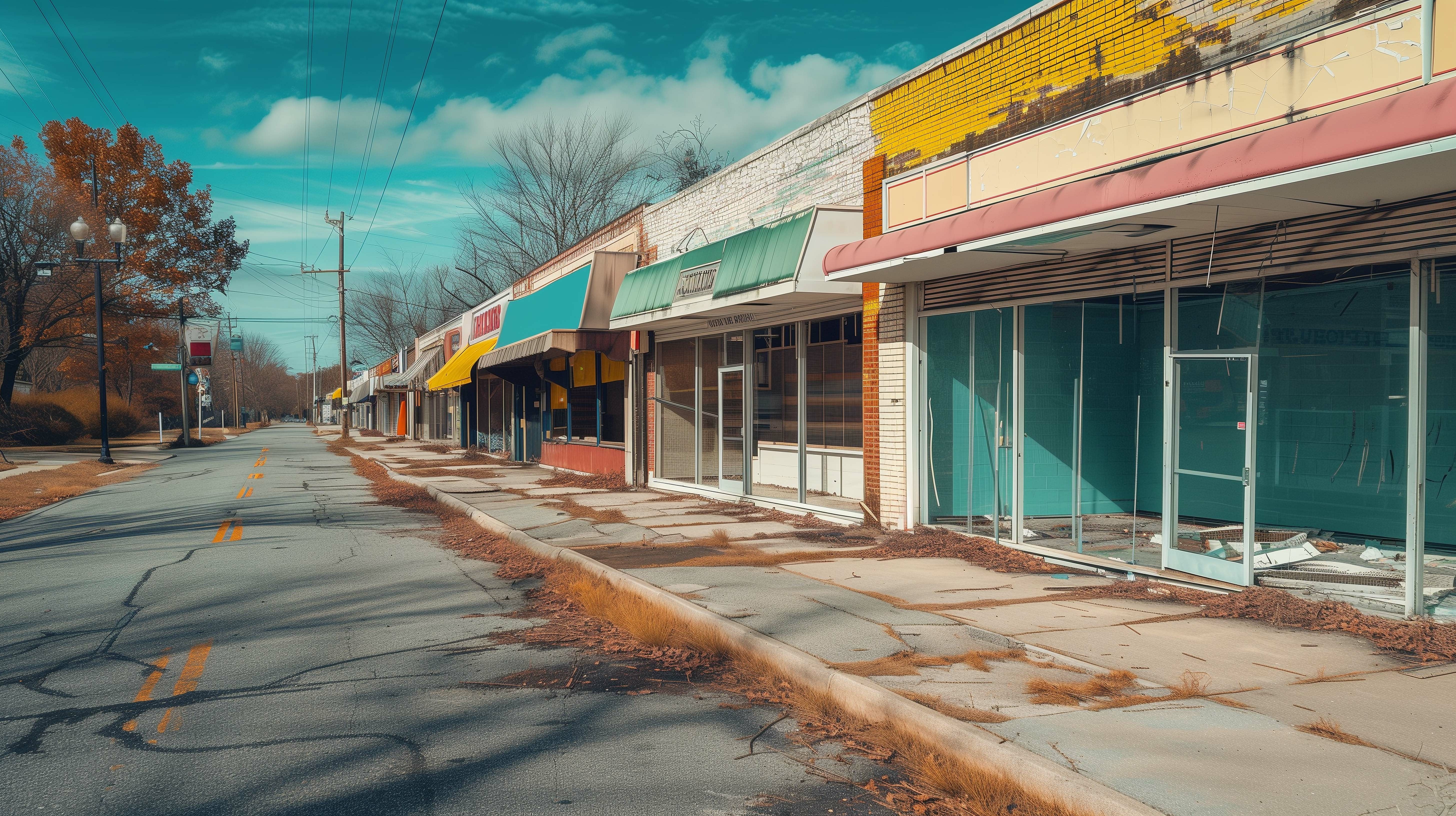
COMPREHENSION QUESTIONS
1. What impact does an economic slowdown have on businesses?
2. How do businesses assess the impact of an economic slowdown?
3. What proposition is suggested for companies to navigate through economic difficulties?
4. Why is it important for businesses to avoid becoming a monopoly during a recession?
5. What key strategies can help businesses protect their property and ensure growth during a recession?
LET'S PRACTICE 🎬
The learner is an economic analyst presenting a report on how an emerging country is navigating challenges like economic slowdown, industry growth, and foreign investment. The teacher will play the role of a news anchor asking follow-up questions.
TASKS
1. Acquisition:How have recent foreign companies buying local businesses helped local manufacturers grow?
2. Economic Slowdown: Which industries have been most affected by the economic slowdown, and what are they doing to adjust?
3. Finance: How are businesses getting the money they need to keep running and grow during the recession?
LET'S DISCUSS
- Do you think offering a wider range of cheaper products is the best idea for all companies during a recession, or are there some businesses where this won’t work?
- How can companies offer lower-priced products without losing the quality that customers expect?
- Do you think focusing too much on saving money and protecting company assets could stop businesses from coming up with new ideas during tough times?
- In your opinion, how important is it for businesses to carefully check their sales numbers and statistics during a recession?
- Do you think having a solid plan or scheme is more important than cutting costs when businesses face a slowdown?