


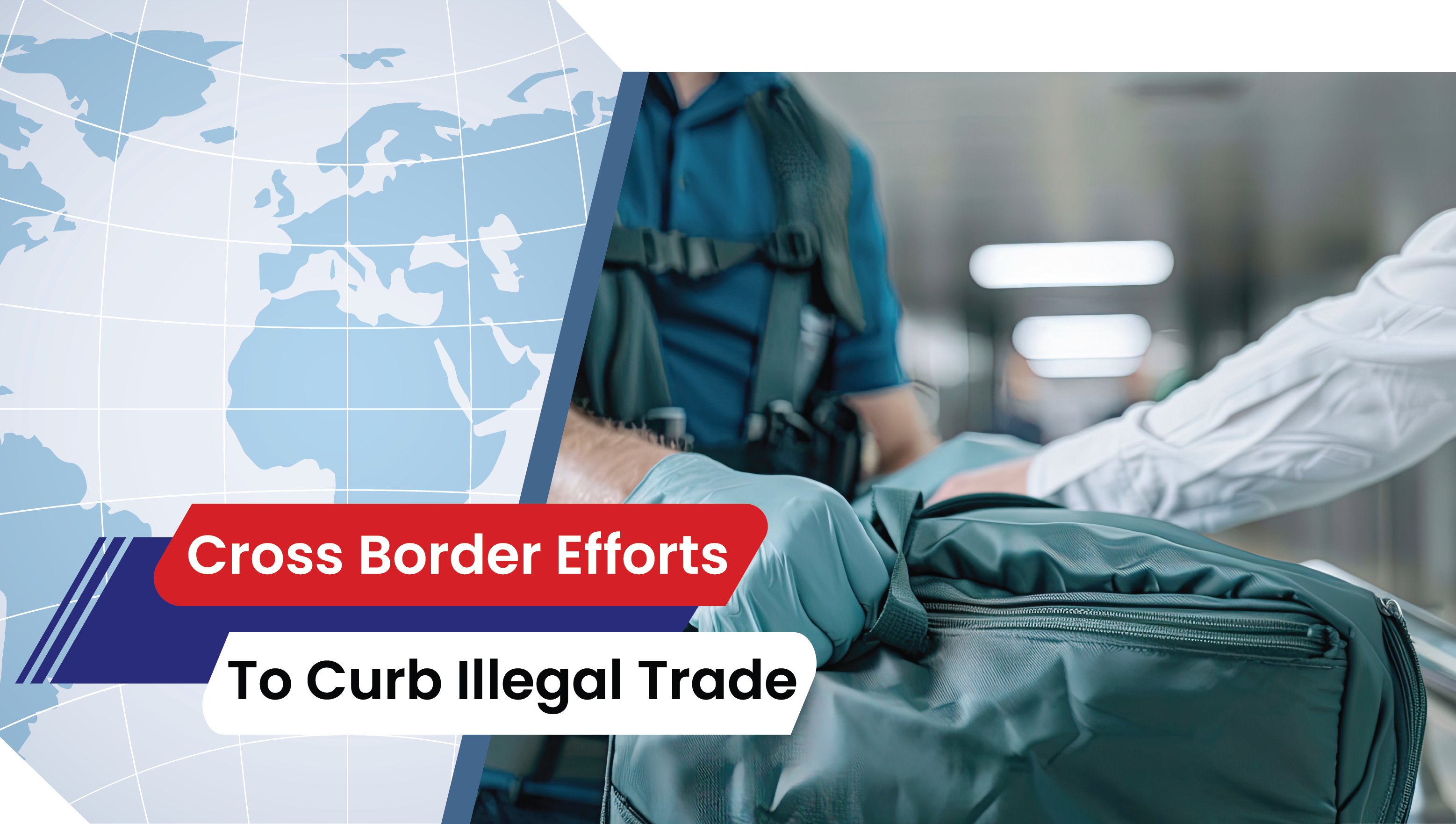
LET'S UNLOCK WORDS AND PHRASES 🔐
banish
[ 'ban-ish ]
The government aims to banish harmful trade practices through stricter laws.
capture
[ 'kap-cher ]
The authorities used advanced systems to capture smugglers at the border.
classify
[ 'klas-uh-fahy ]
Officials worked to classify contraband goods based on their type and origin.
commit
[ kuh-'mit ]
Those who commit illegal trade often use fake documents to hide their activities.
conceal
[ kuhn-'seel ]
The smugglers concealed their illegal activities behind legitimate businesses.
condemn
[ kuhn-'dem ]
Officials condemn those who minimize the seriousness of their crimes.
confess
[ kuhn-'fes ]
The offenders eventually confessed to their crimes under pressure from investigators.
confine
[ 'kuhn-fahyn 'kon-fahyn ]
Critics argue that stricter policies confine innocent people without sufficient evidence.
convict
[ kuhn-vikt ]
Authorities struggled to convict those who managed to evade legal scrutiny.
convince
[ kuhn-'vins ]
Officials are determined to convince the public of the need for stricter measures.
cover up
[ kuhv-er uhp ]
The offenders tried to cover up their crimes by altering documents.
detect
[ dih-'tekt ]
Authorities managed to detect illegal activities through advanced surveillance.
disguise
[ dis-'gahyz, dih-'skahyz ]
Criminals often disguise their illegal activities as legitimate business operations.
duck
[ duhk ]
Offenders managed to duck legal scrutiny despite strong evidence against them.
file
[ fahyl ]
Authorities filed charges against the offenders for altering documents.
forbid
[ fer-'bid, fawr- ]
International cooperation focuses on forbidding unethical trade practices.
LET'S LISTEN! 🎧
Direction: Listen to the news and answer the comprehension questions below.
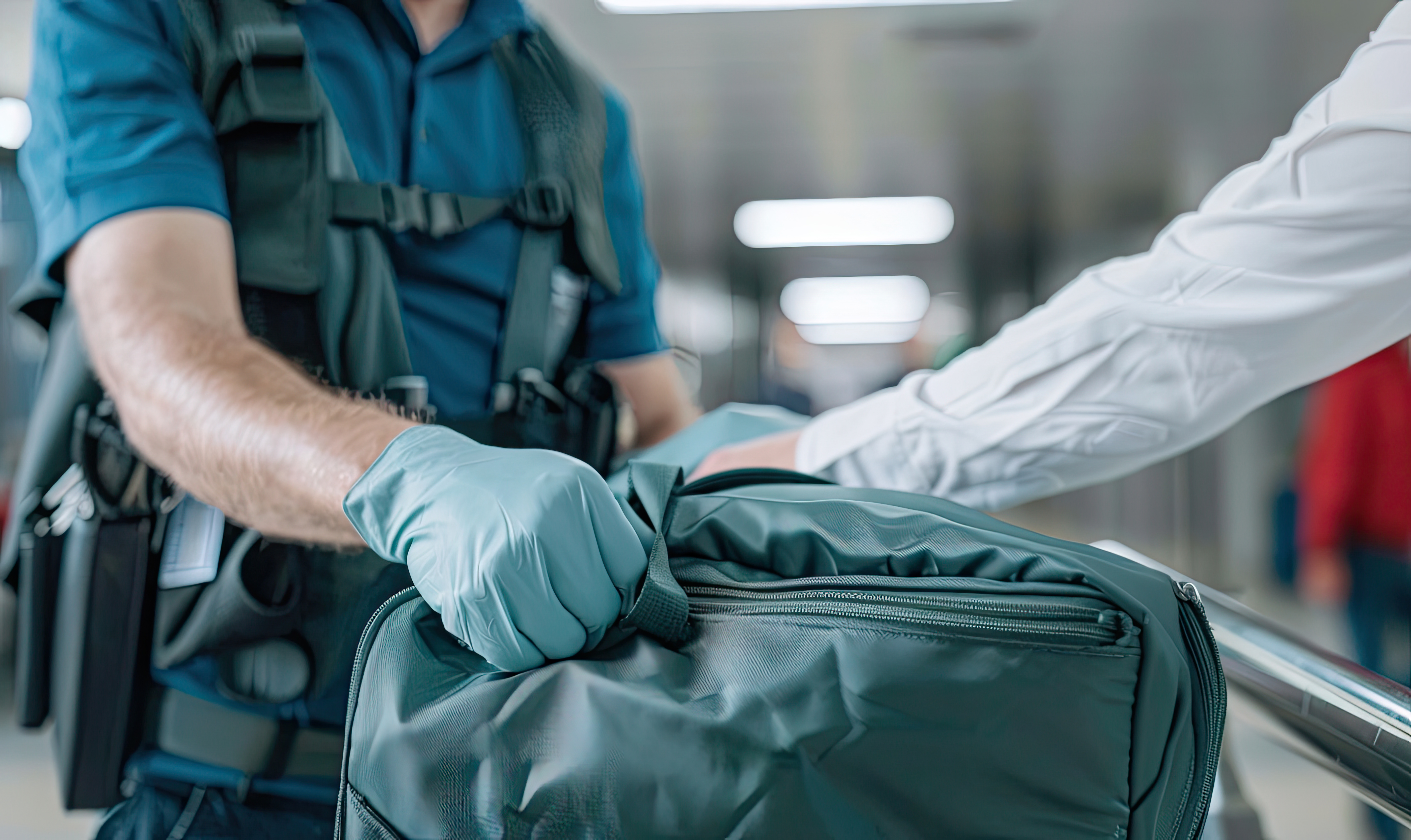
COMPREHENSION QUESTIONS
1. What are governments doing to fight illegal trade networks?
2. How do criminals hide their illegal activities?
3. Why do some groups criticize the new security measures?
4. What is the main goal of stricter policies against illegal trade?
LET'S PRACTICE 🎬
You are explaining illegal trade to a classmate.
TASKS
Task 1: Use the vocabulary words to describe how criminals hide their activities.
Student Example: "Criminals often disguise their activities as legal businesses and conceal evidence by altering documents to avoid being detected."
Task 2: Pretend to ask your teacher why it is important to convict criminals who commit illegal trade.
Task 3: Talk with a classmate about why stricter policies are necessary to prevent illegal trade.
LET'S DISCUSS
- Why is it important for governments to take action against illegal trade?
- What challenges do authorities face when trying to detect and stop smuggling?
- How can international cooperation improve efforts to banish illegal trade?
- Do you think stricter policies are always fair, or can they harm innocent people? Why?
- What role does technology play in fighting illegal activities like smuggling?