

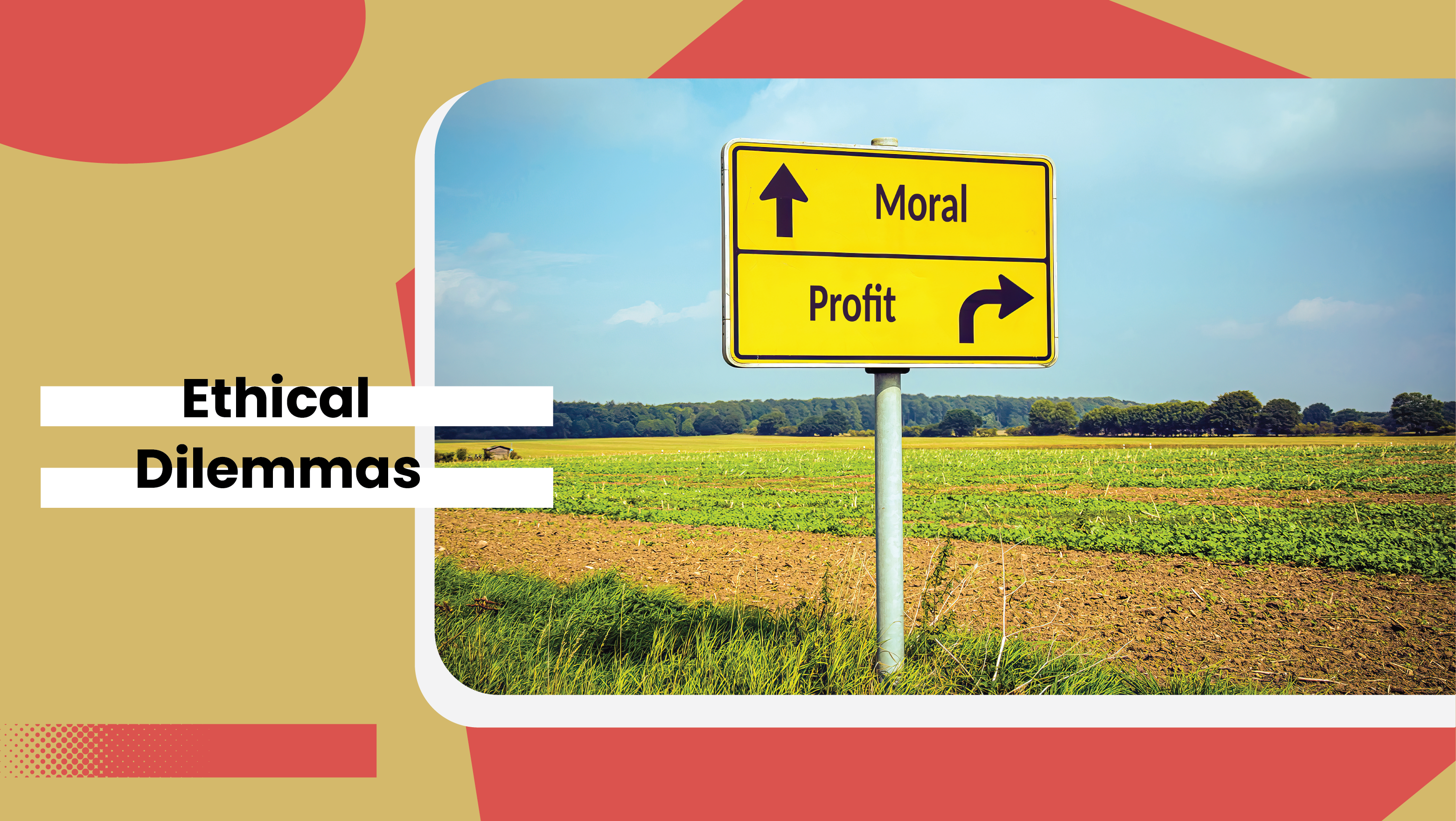
Ethical Dilemmas
Discuss an ethical dilemma you’ve faced or heard about.
1
Discuss an ethical dilemma you’ve faced or heard about.
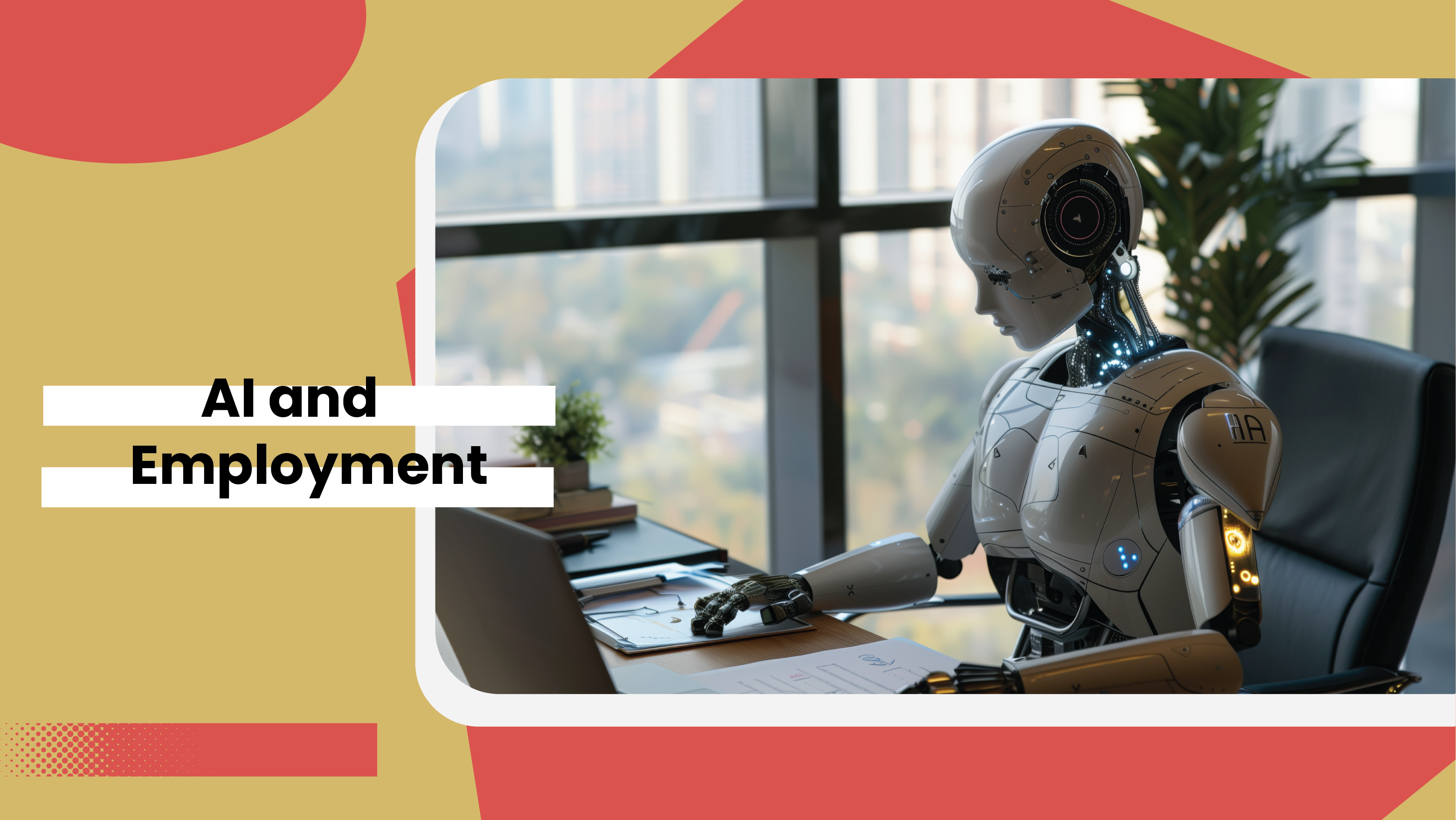
This lesson introduces students to the impact of AI on the workforce, providing them with vocabulary, conversation practice, and real-life applications.
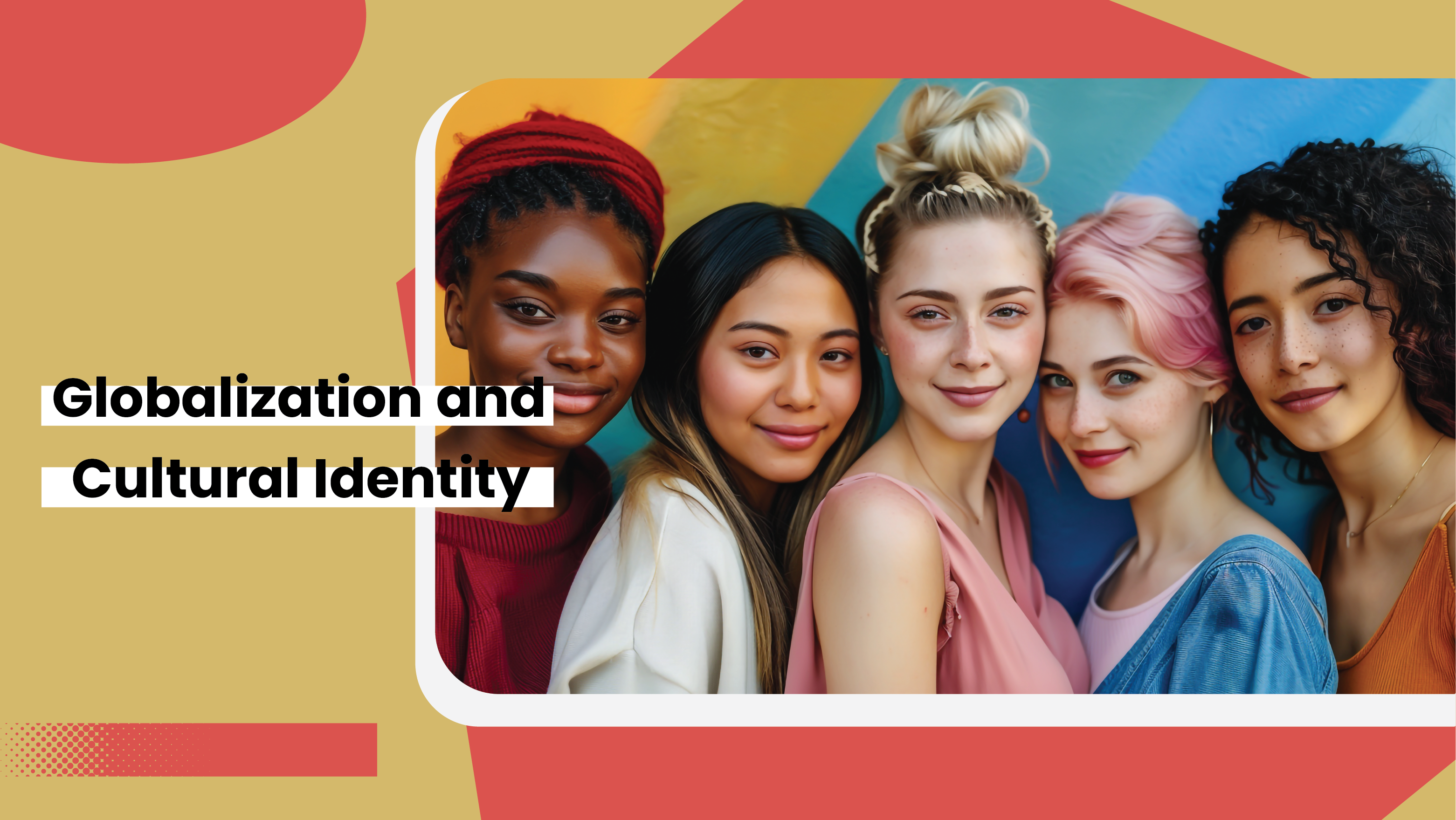
This lesson explores how globalization impacts cultural identity, providing vocabulary, conversation starters, and practical applications.
This lesson invites students to explore how education is evolving through discussions on technology, teaching methods, and practical ideas. They’ll consider the role of innovation and technology in shaping future learning.
This lesson explores the government's responsibilities in promoting and protecting public health.
This lesson covers economic inequality, offering vocabulary and prompts to engage students in discussions on wealth distribution, social justice, and solutions.
This lesson delves into the moral and ethical considerations of capital punishment, exploring arguments for and against its use in modern society and examining its implications for justice and human rights.
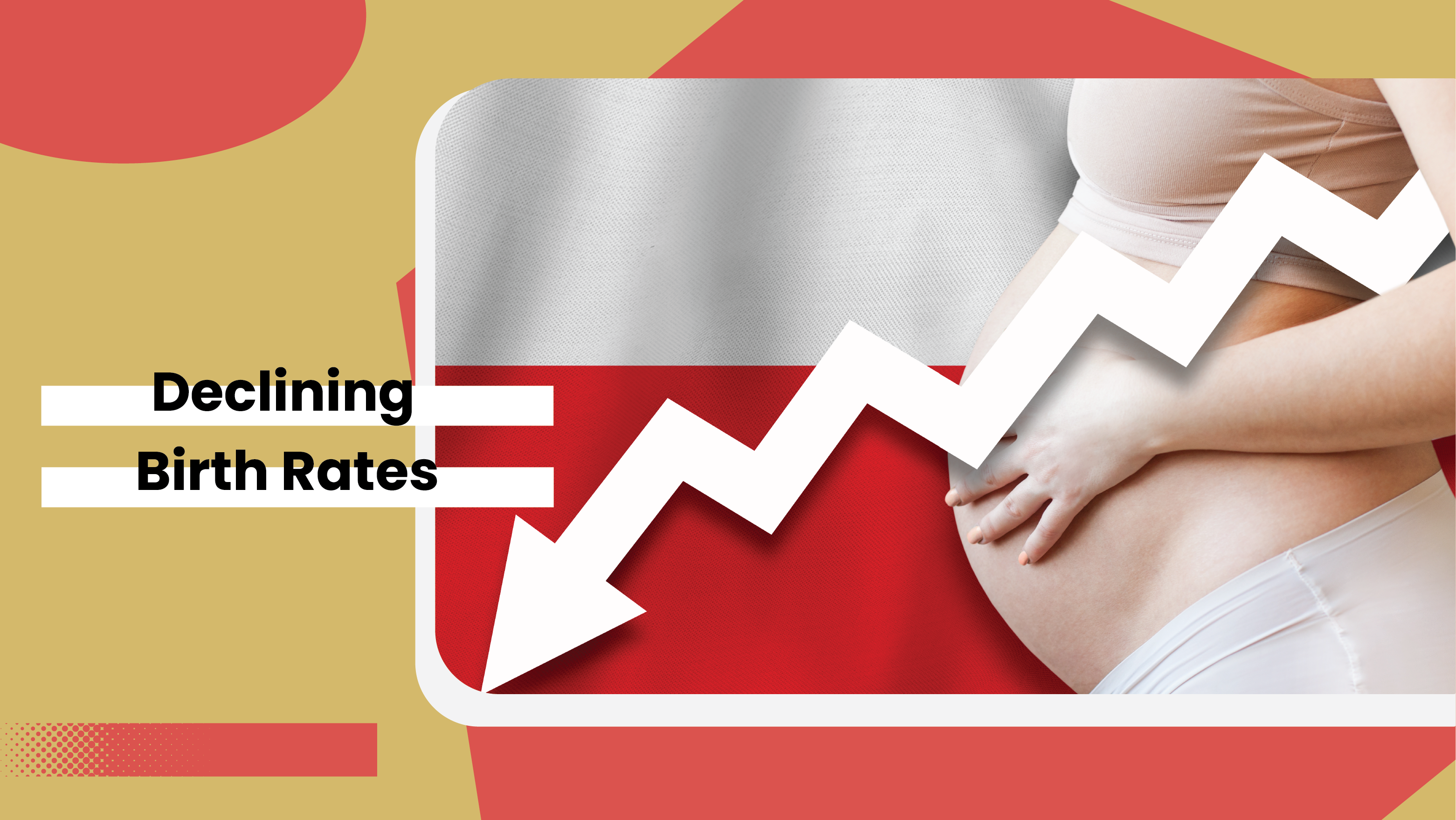
This lesson examines the social, economic, and cultural impacts of declining birth rates, exploring questions about population trends, aging societies, and potential solutions to demographic shifts.
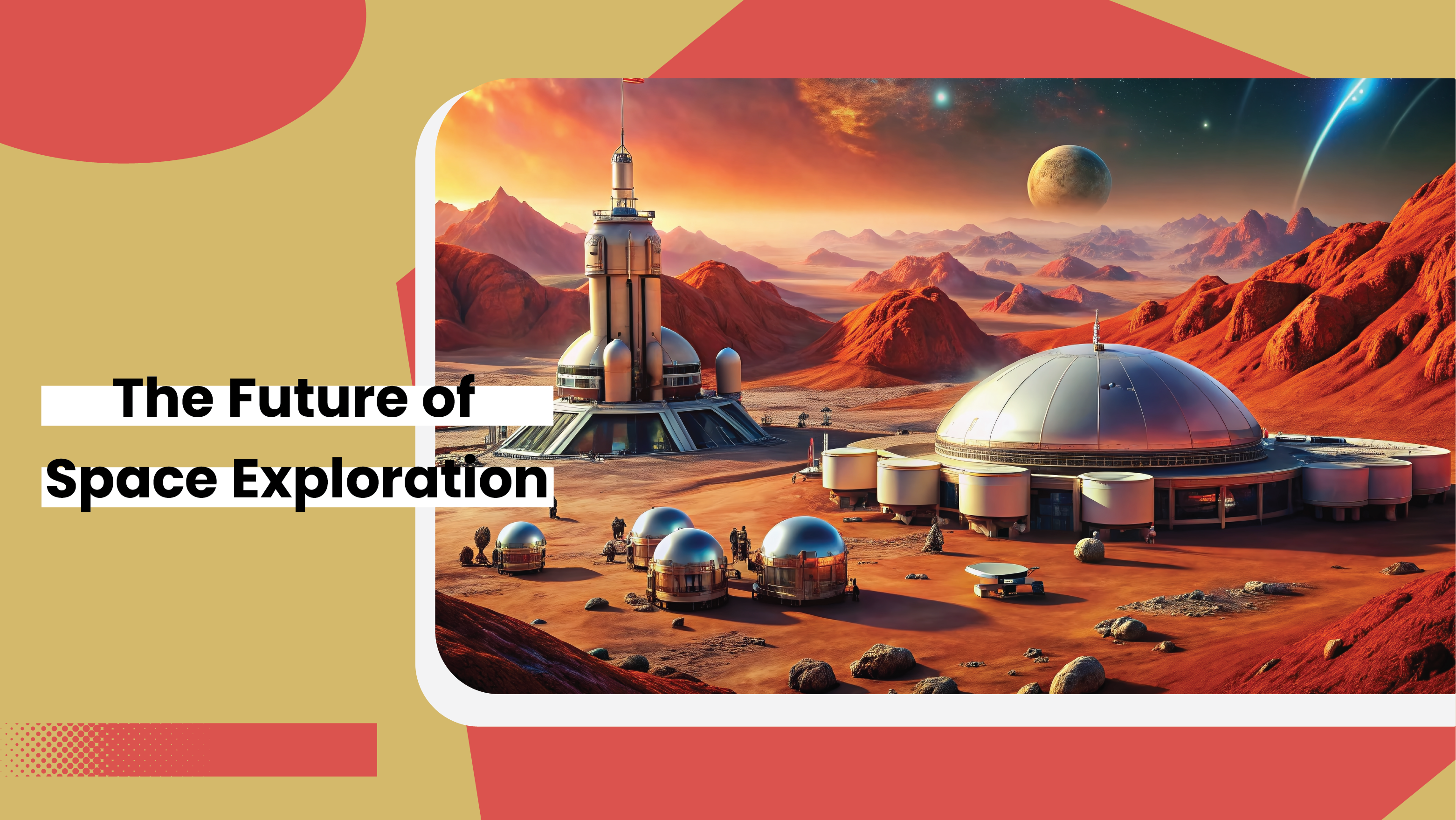
Explore the advancements in space technology and the possibilities of future space exploration
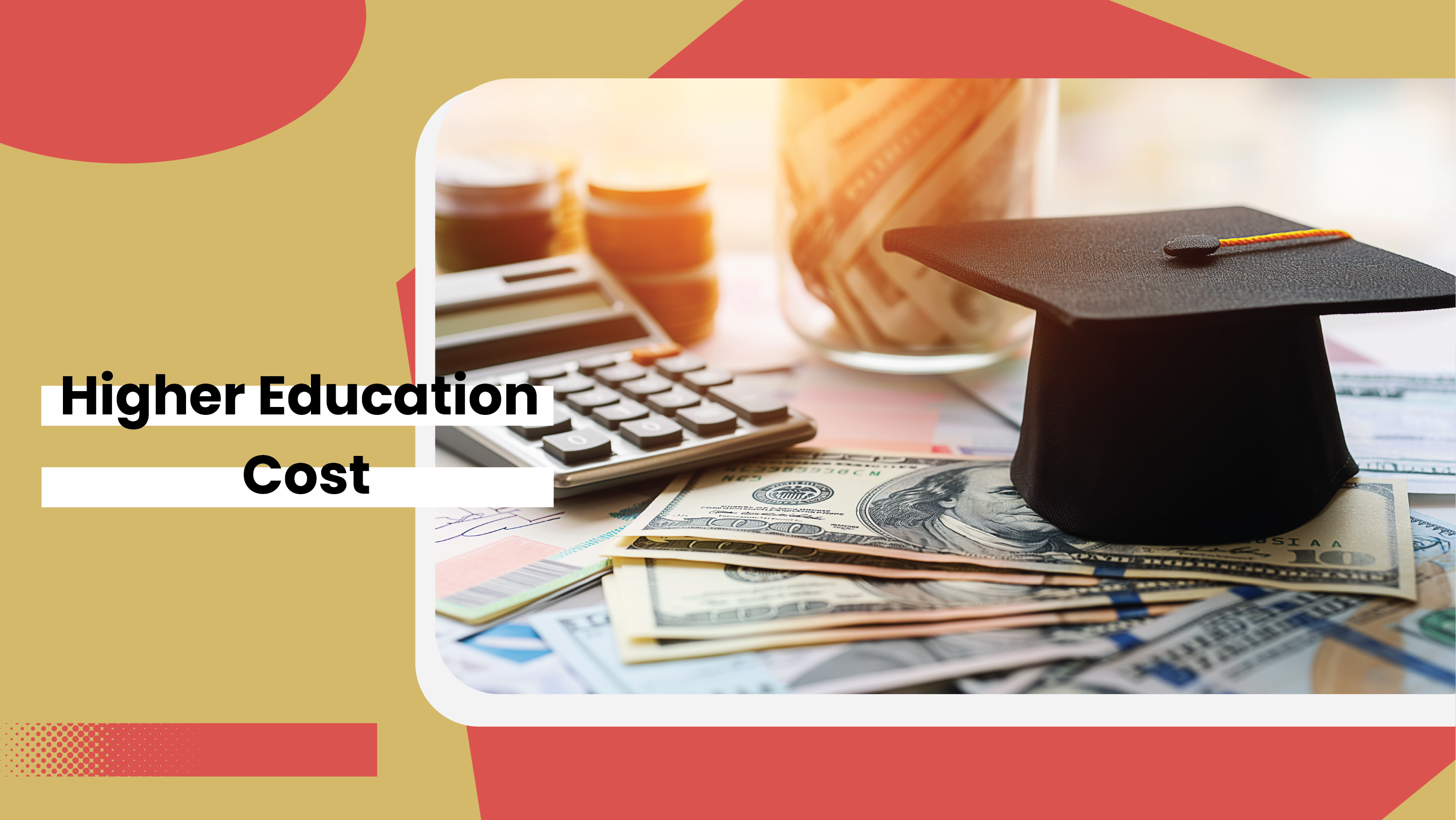
Students will discuss their views on affordability, financial aid, and potential solutions to make education more accessible.
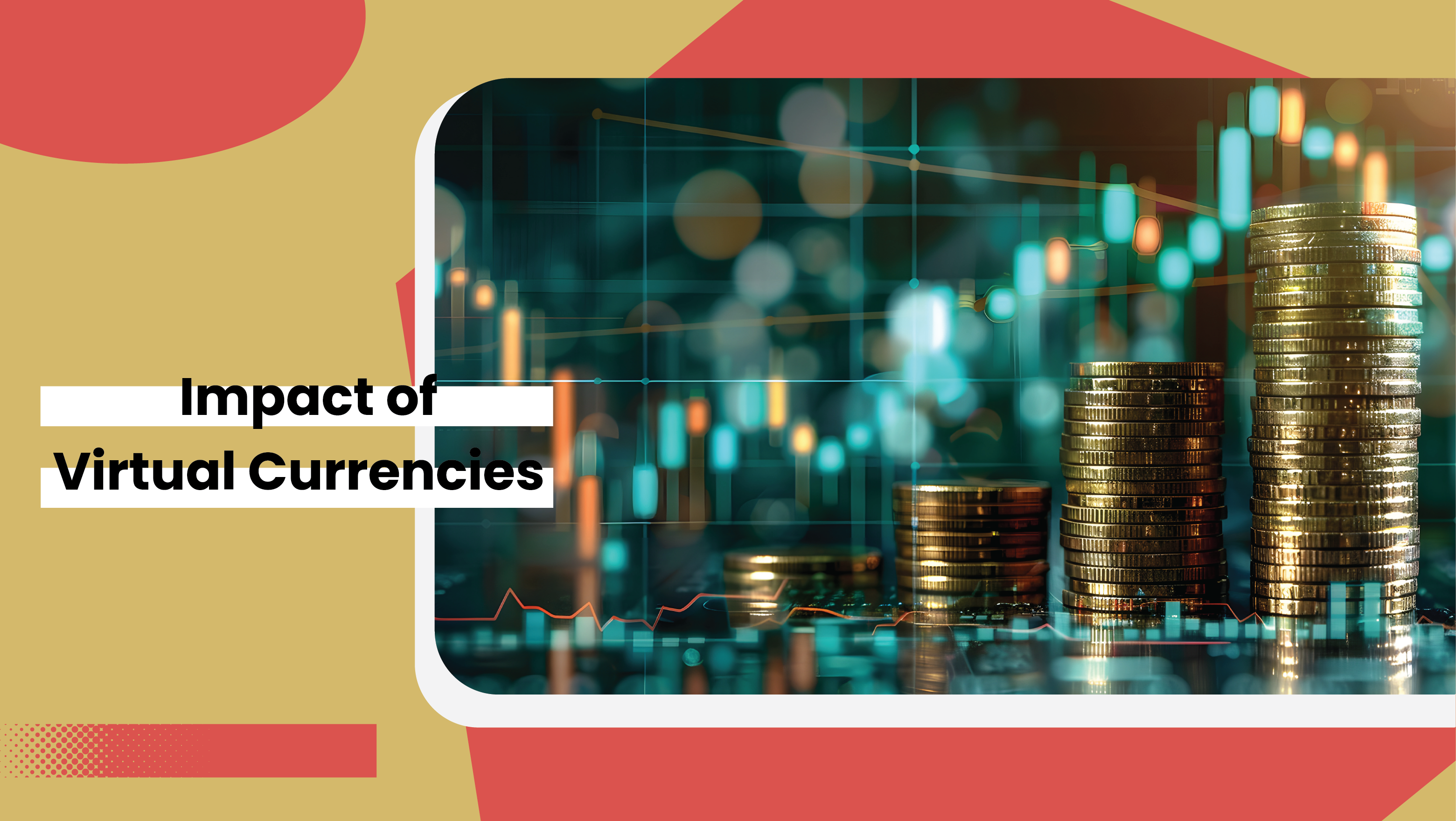
Discuss how virtual currencies, such as cryptocurrencies, are influencing financial regulation
Explore how corporations impact society, including their social responsibilities, economic contributions, and influence on culture and the environment
This lesson explores the concept of Universal Basic Income, its potential benefits and drawbacks, and its implications for society.
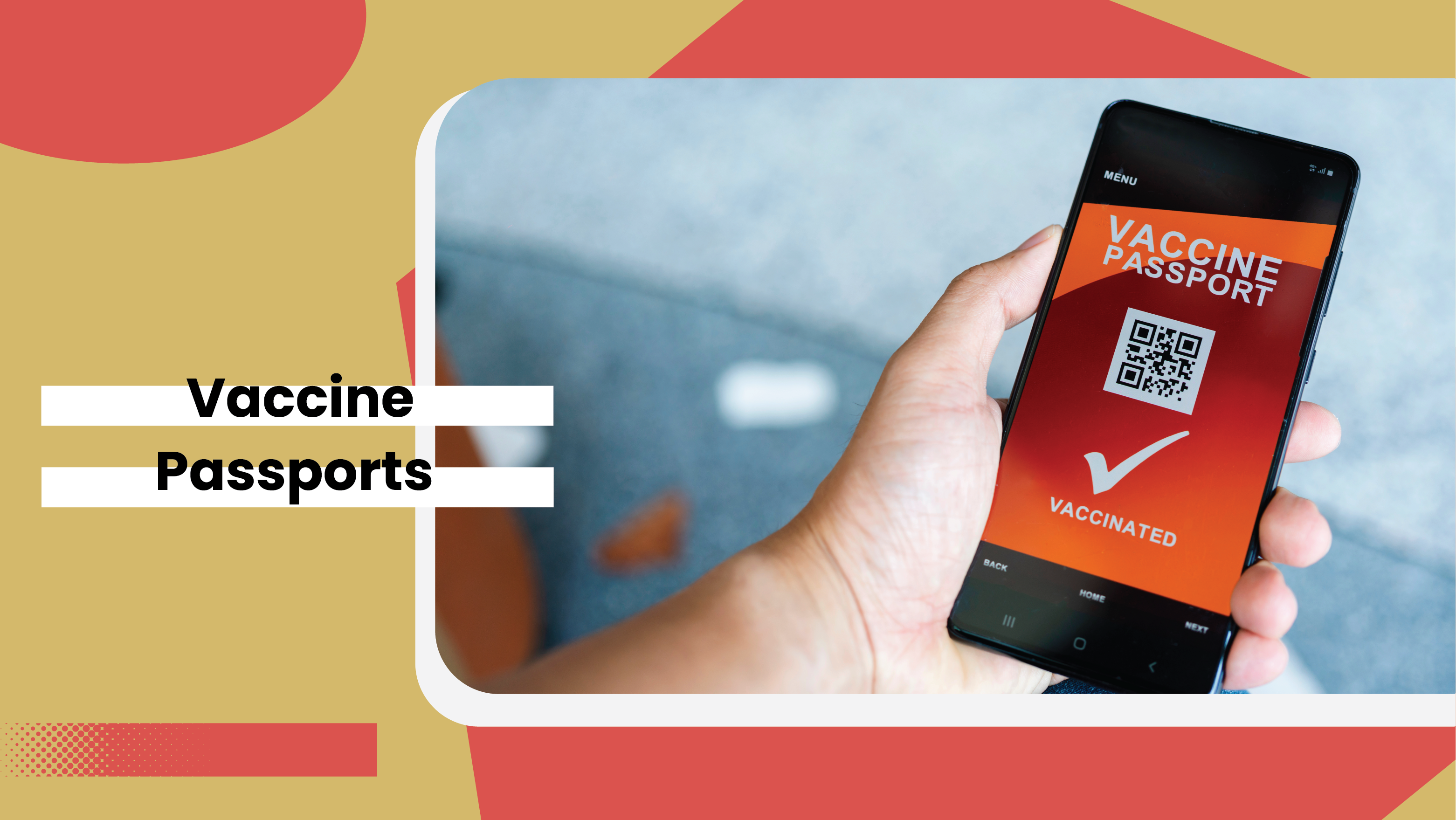
This lesson explores the concept of vaccine passports, their implications for travel and personal freedoms, and the ongoing debate about health, safety, and individual rights.
This lesson explores the differences between moral relativism and moral absolutism, discussing how each perspective views ethics, values, and right and wrong in society.
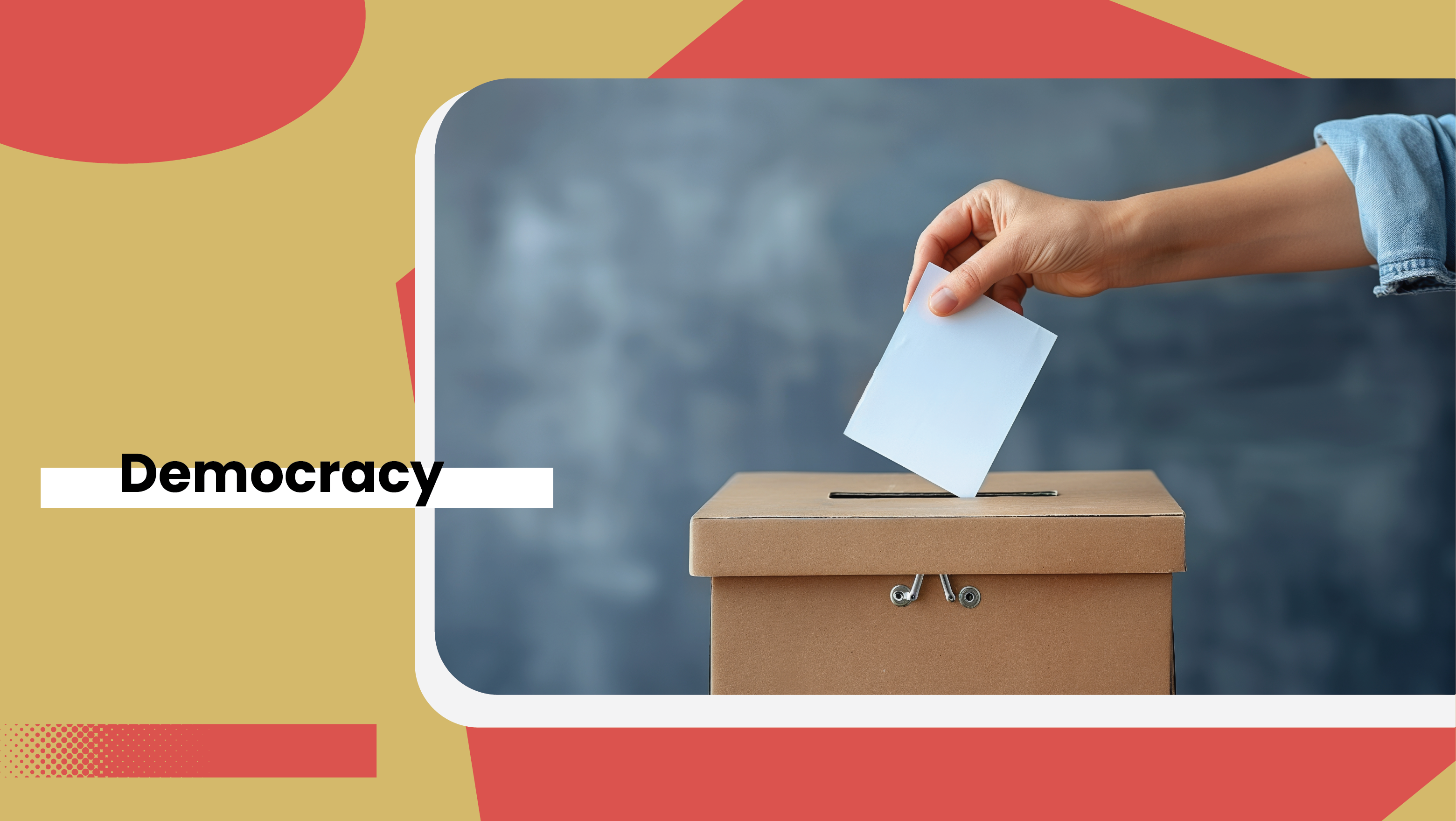
This lesson explores the challenges and opportunities that globalization presents to democratic systems worldwide.

This lesson explores how religion influences various aspects of contemporary life, including culture, ethics, and community.
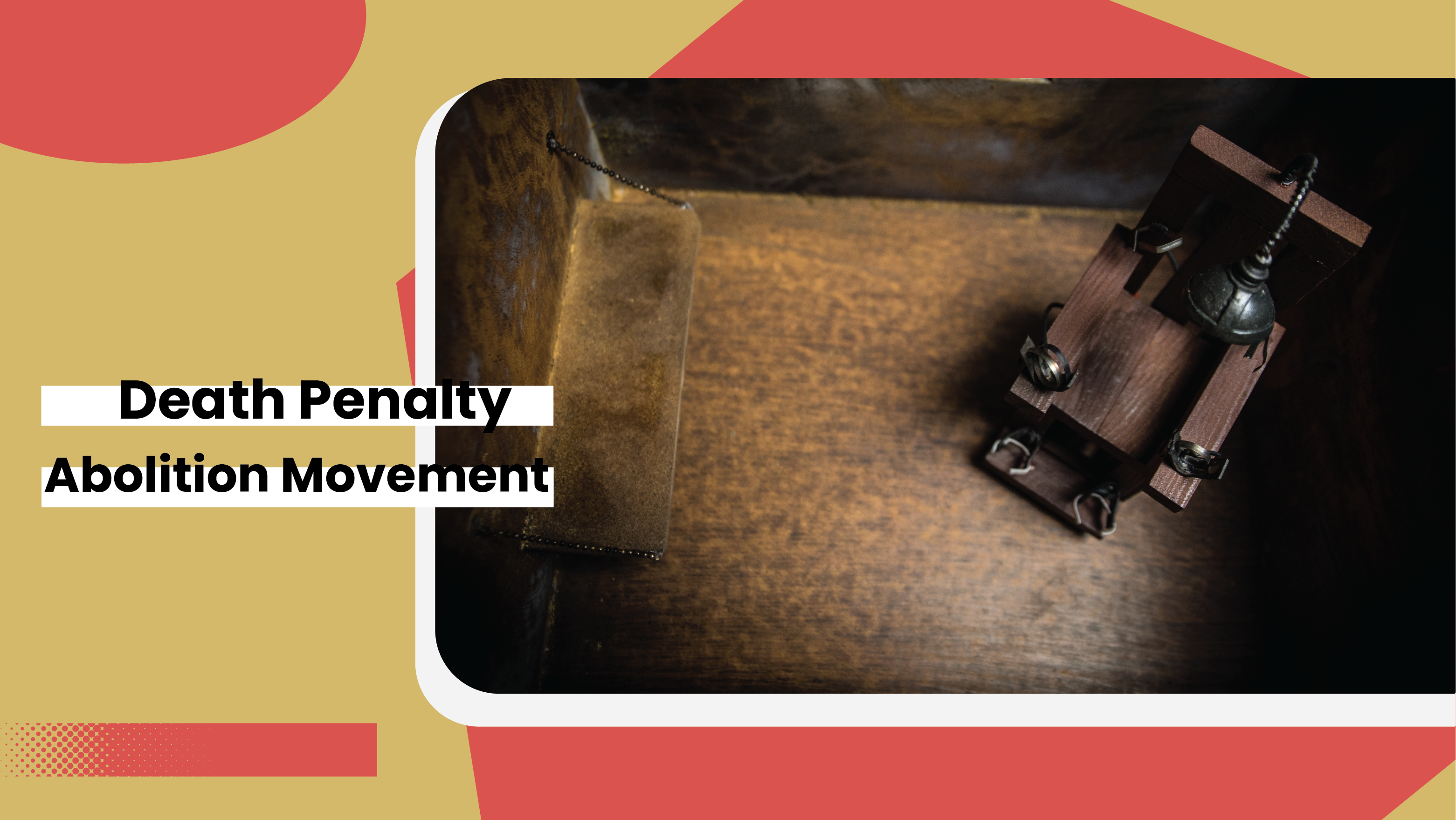
This lesson examines the history and current status of death penalty abolition movements worldwide, discussing the ethical, legal, and social implications of capital punishment.
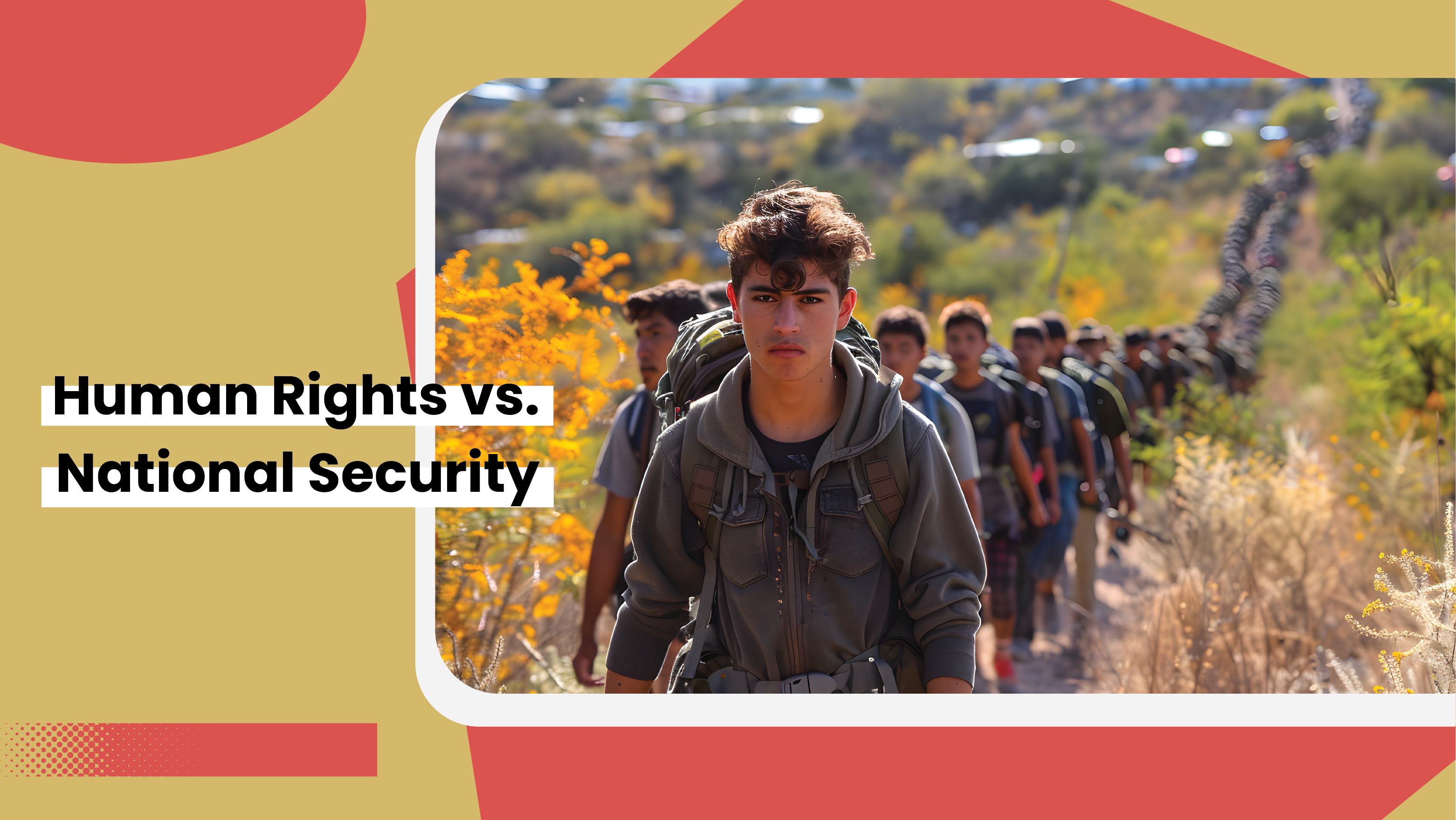
This lesson explores the complex relationship between human rights and national security, discussing how governments balance the need for security with the protection of individual freedoms.

This lesson examines how celebrity culture impacts societal values, behaviors, and self-perception, encouraging students to discuss the positive and negative aspects of celebrity influence.
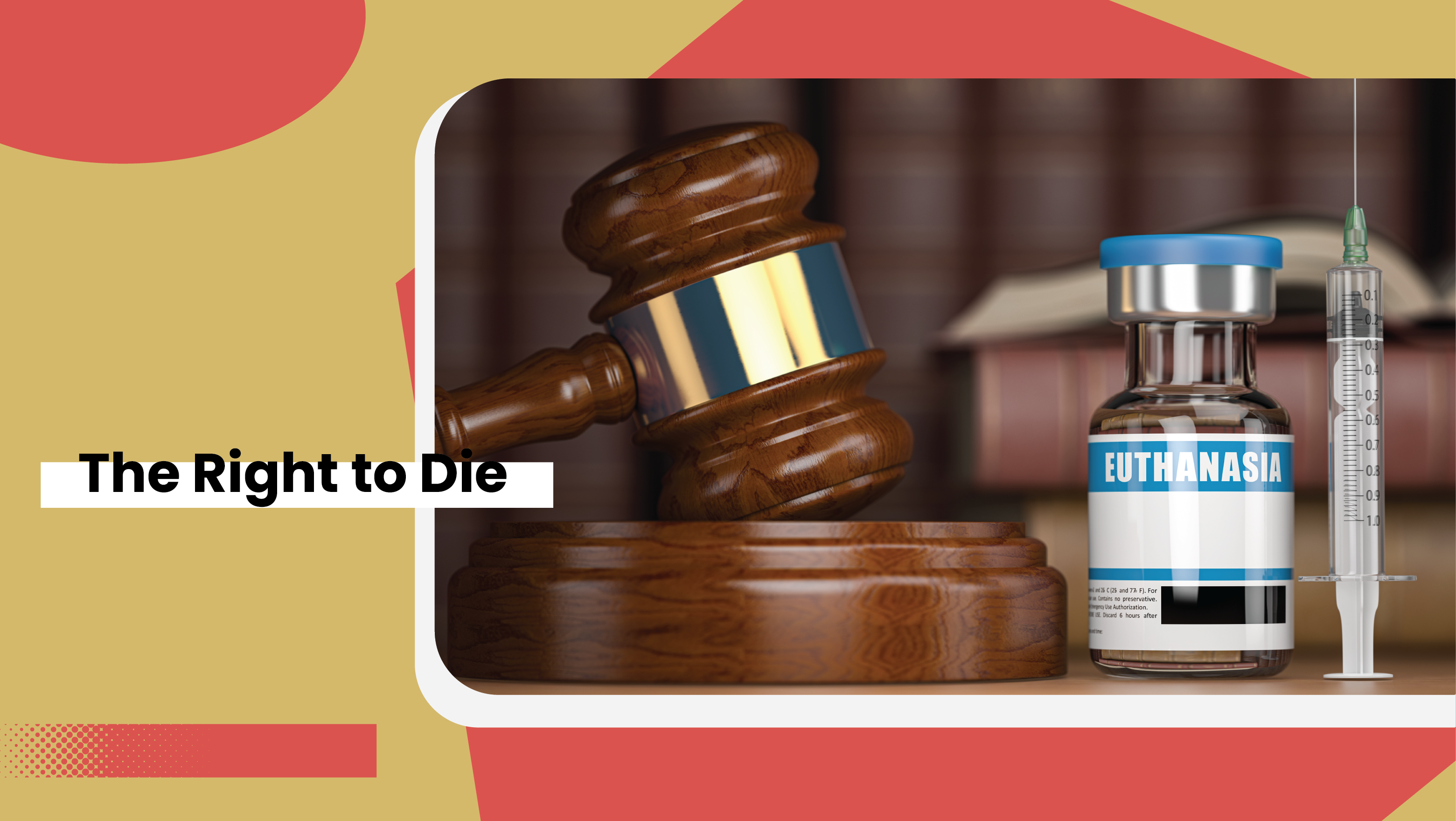
This lesson explores the complex and sensitive issues surrounding euthanasia and assisted suicide, considering ethical perspectives, individual autonomy, and societal impacts.
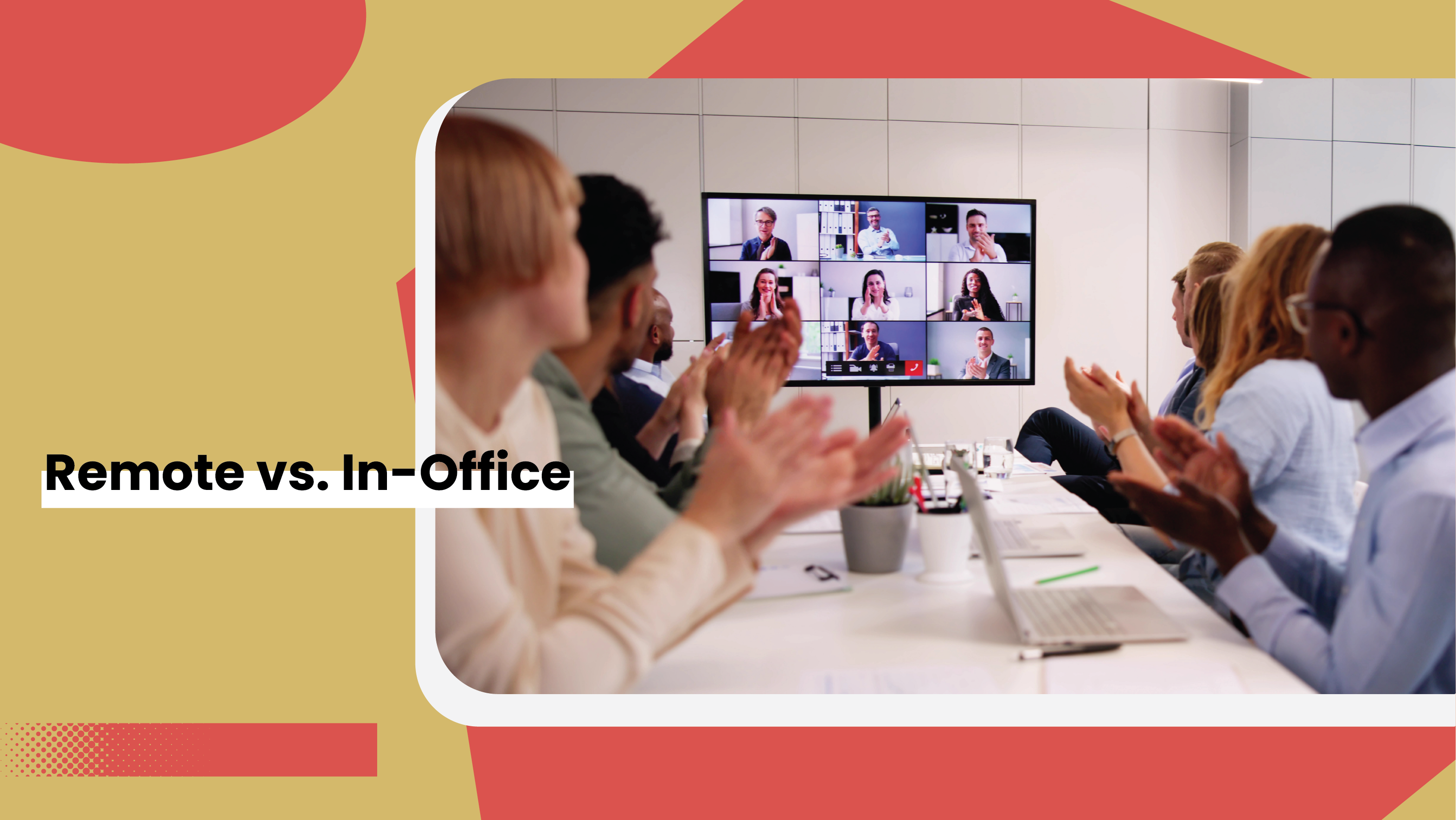
This lesson explores the evolving landscape of work, comparing the benefits and challenges of remote and in-office setups, and encourages students to discuss their preferences and perspectives on the future of work.
This lesson explores the ongoing debate between free will and determinism, examining questions around human choice, fate, and whether actions are governed by personal freedom or external factors.
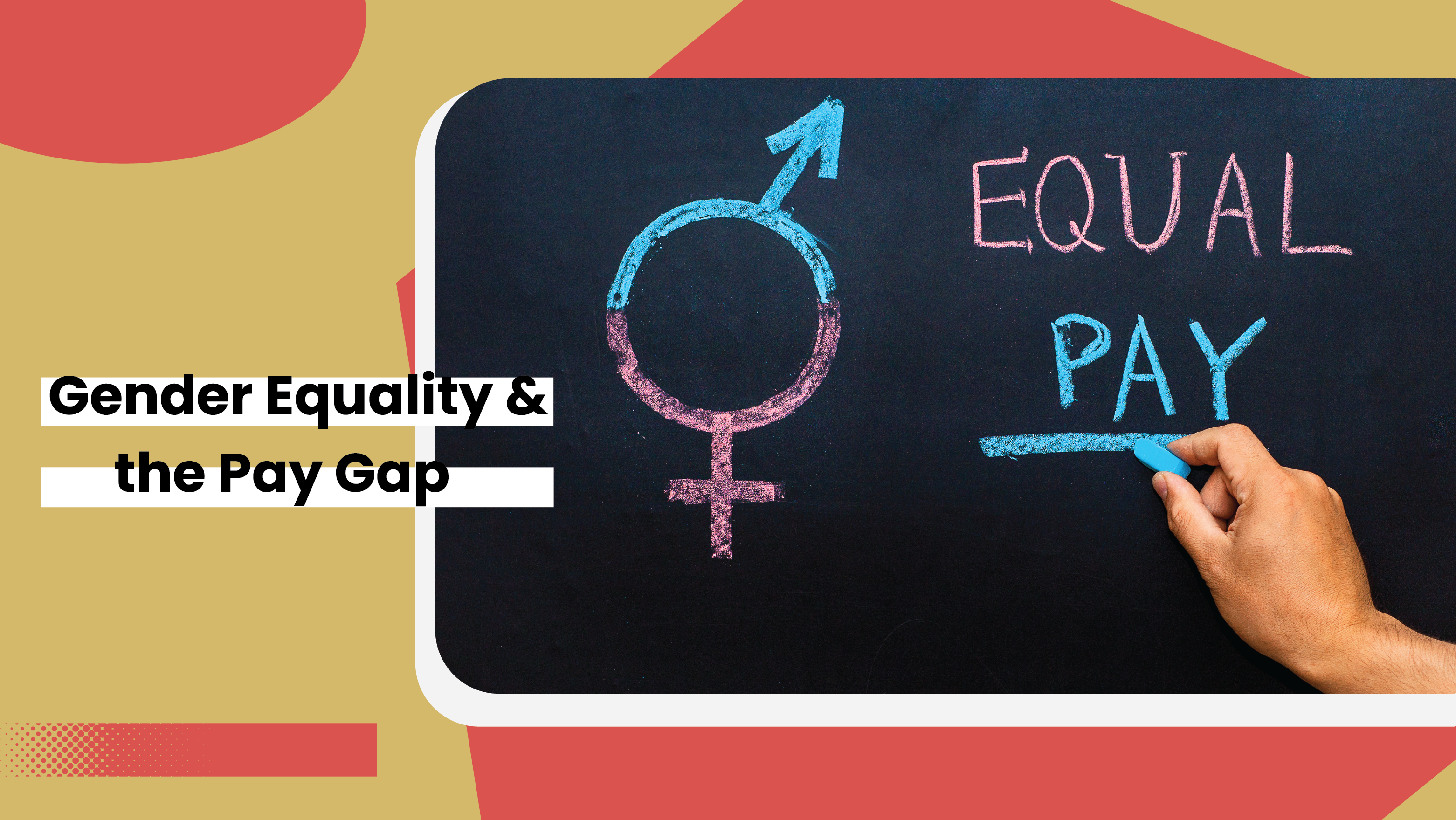
This lessons explores the ongoing issues related to gender equality in the workplace, with a focus on the gender pay gap, its causes, and potential solutions.
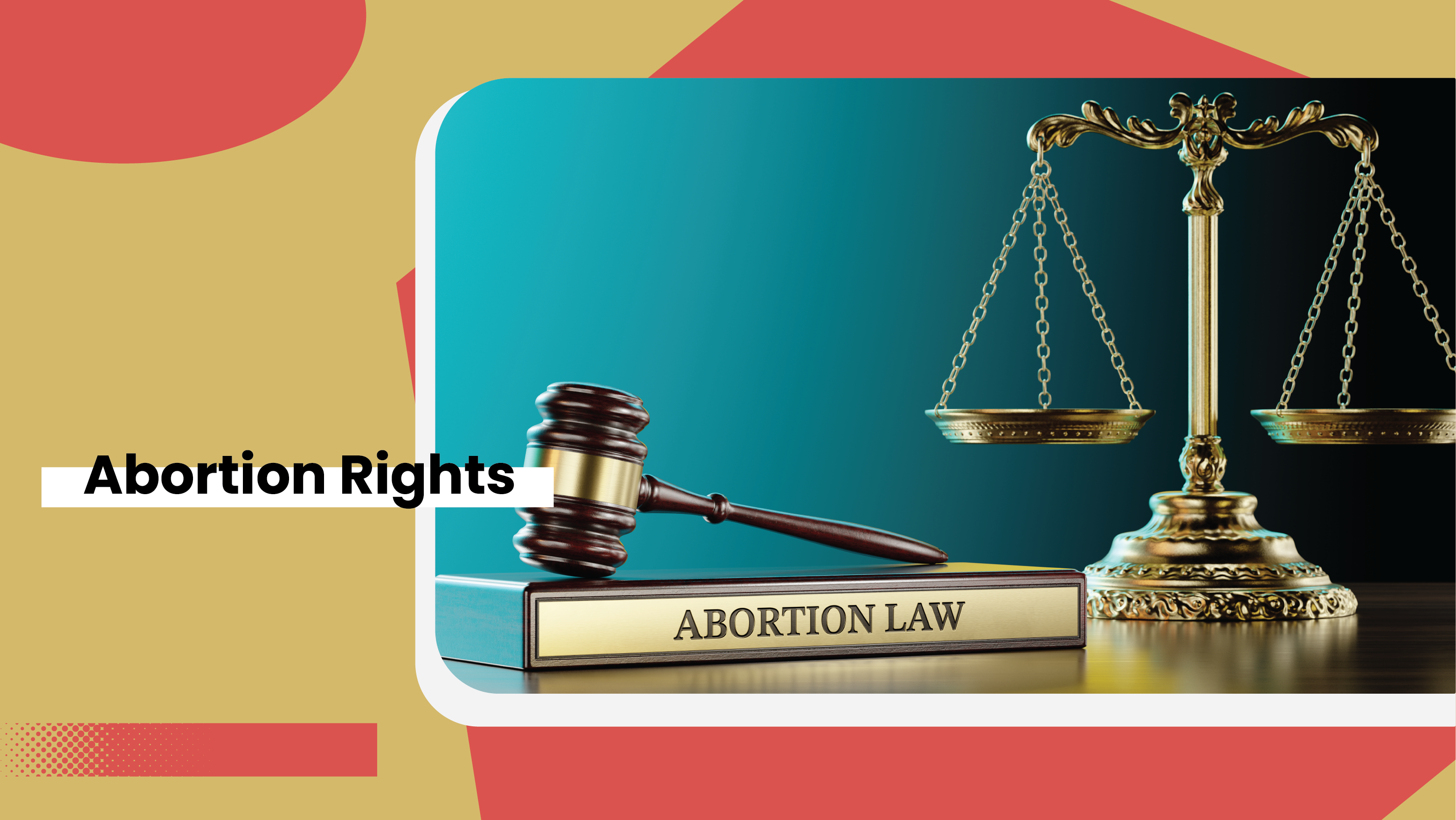
This lesson explores the complex issue of abortion rights and bodily autonomy, encouraging a balanced discussion around personal choice, societal implications, and ethical consideration.
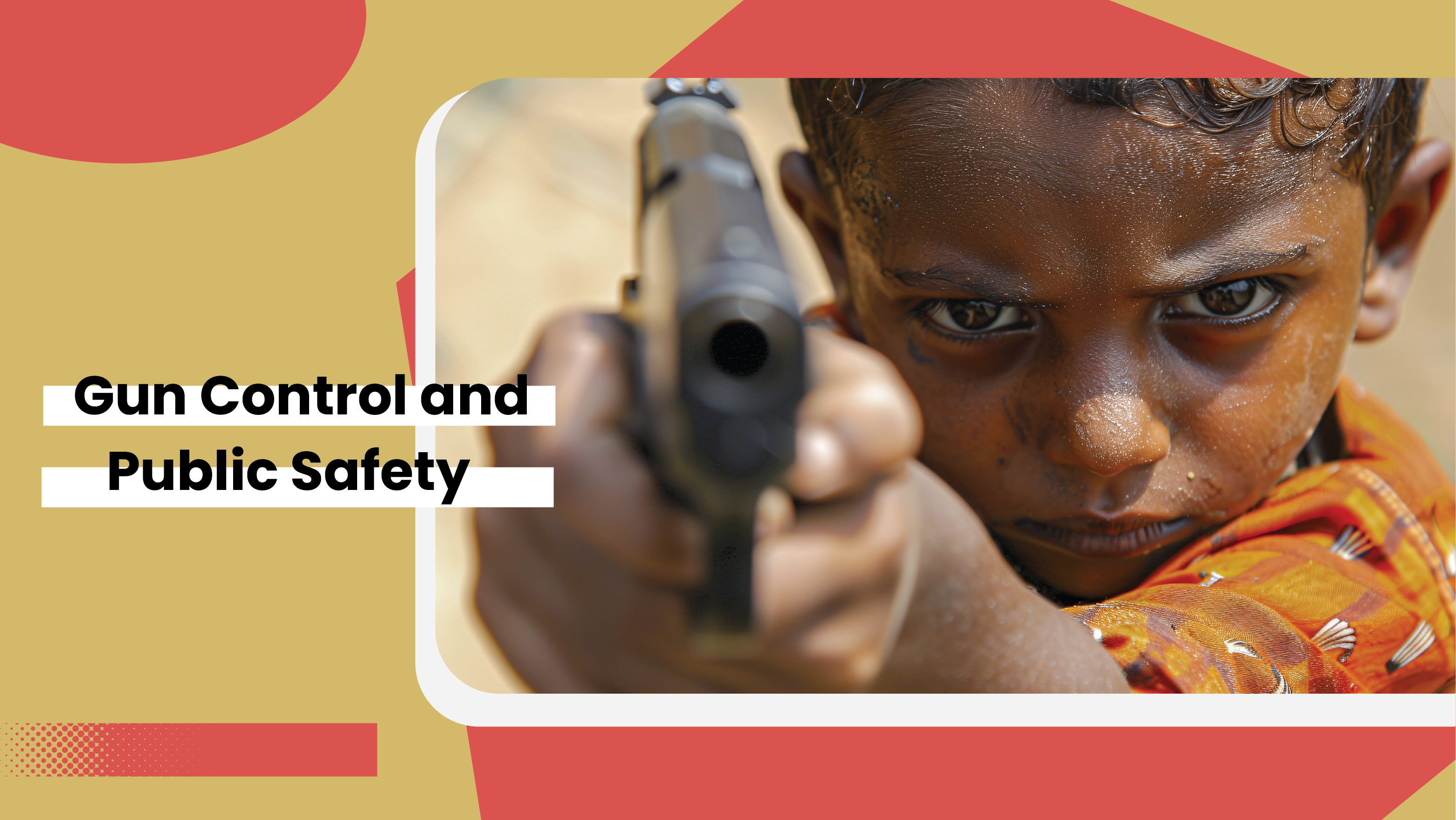
This lesson addresses the complex issues surrounding gun control laws and their impact on public safety. Students will explore different perspectives on gun ownership, regulation, and the implications for society.
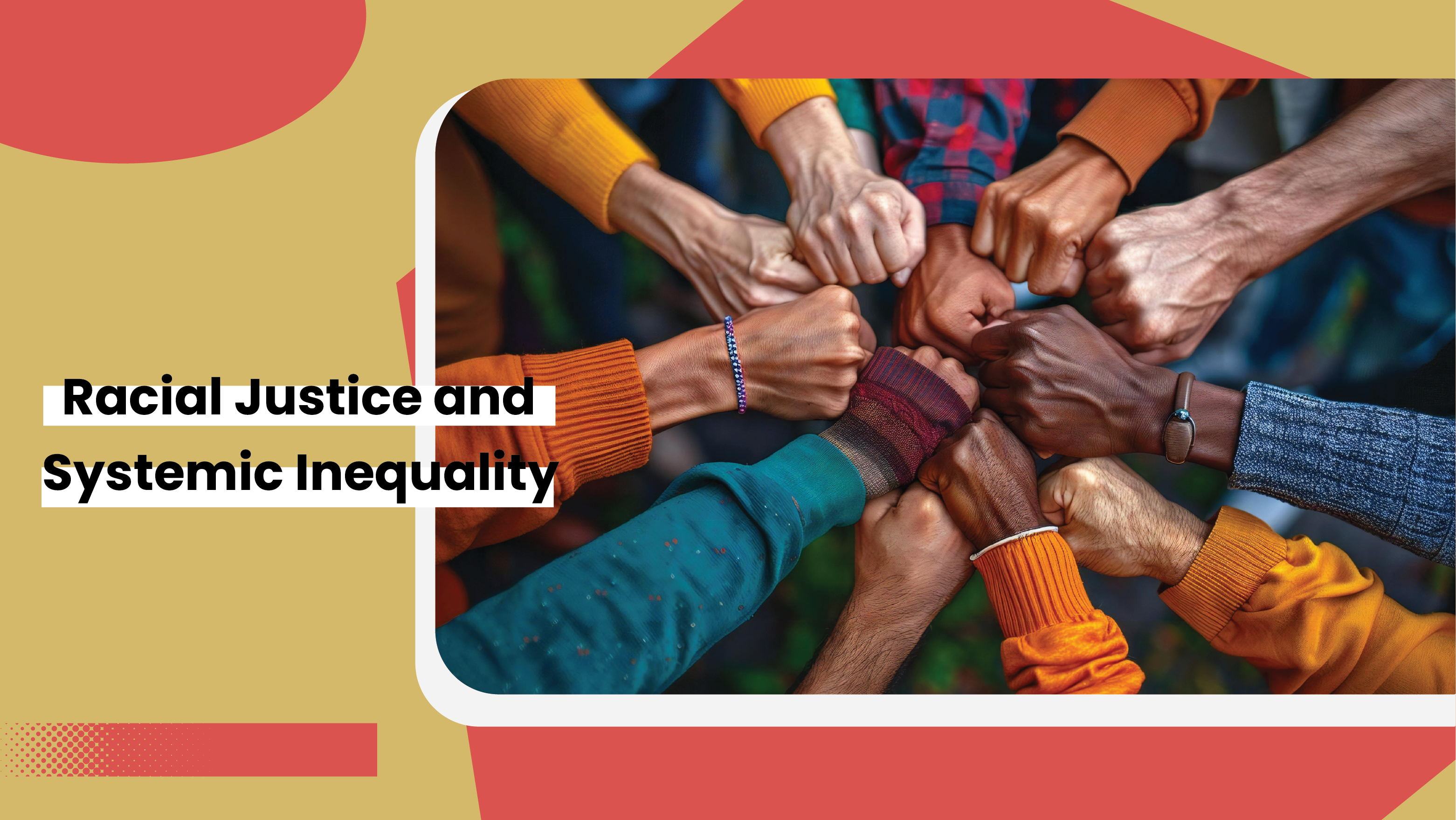
Explore various perspectives and share their insights on the challenges and solutions related to achieving racial equality.
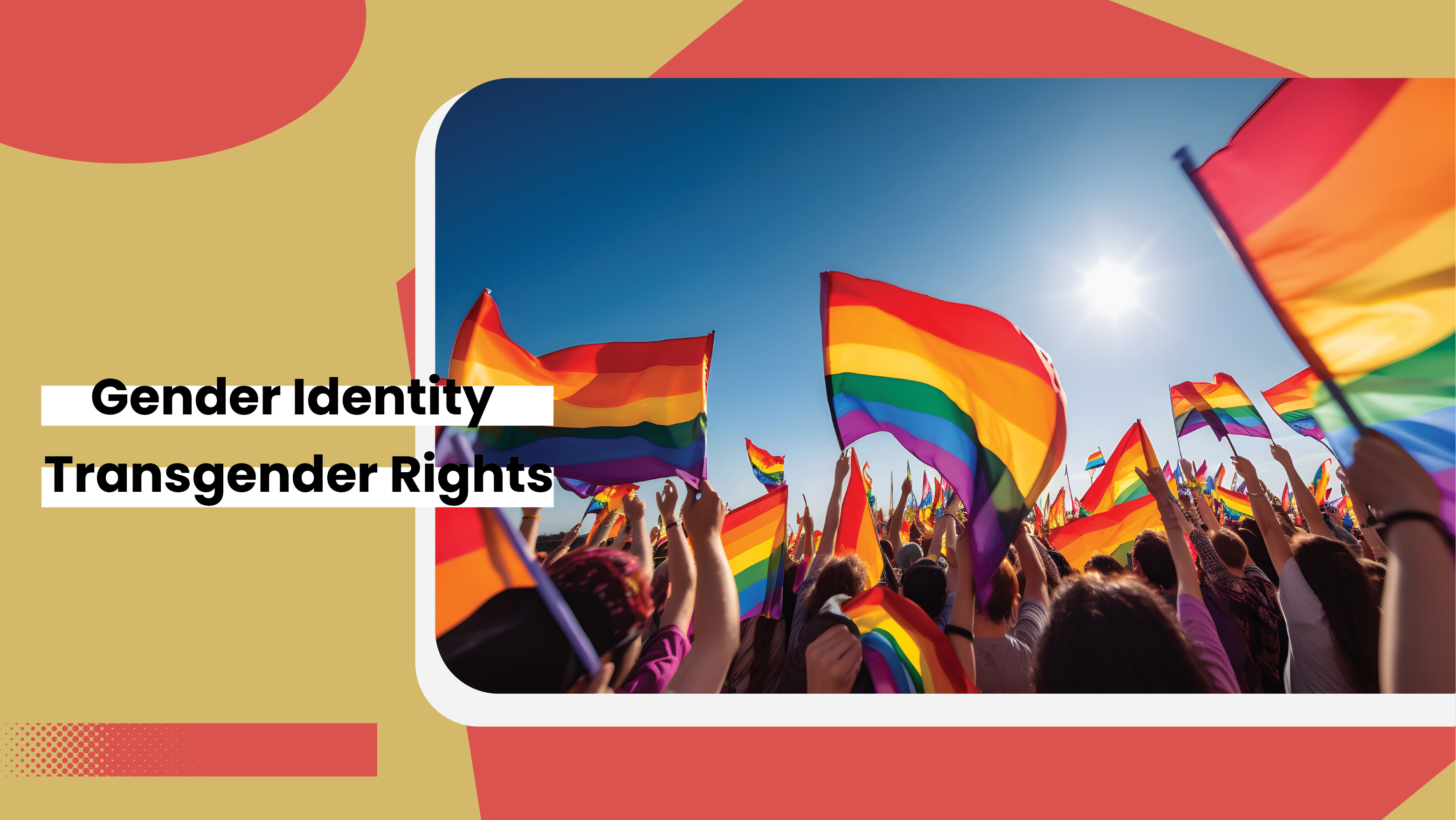
It explores the concepts of gender rights, examining how these issues impact the society. Students will discuss various perspectives and share insights on the challenges and progress in achieving equal rights and respect for transgender individuals.
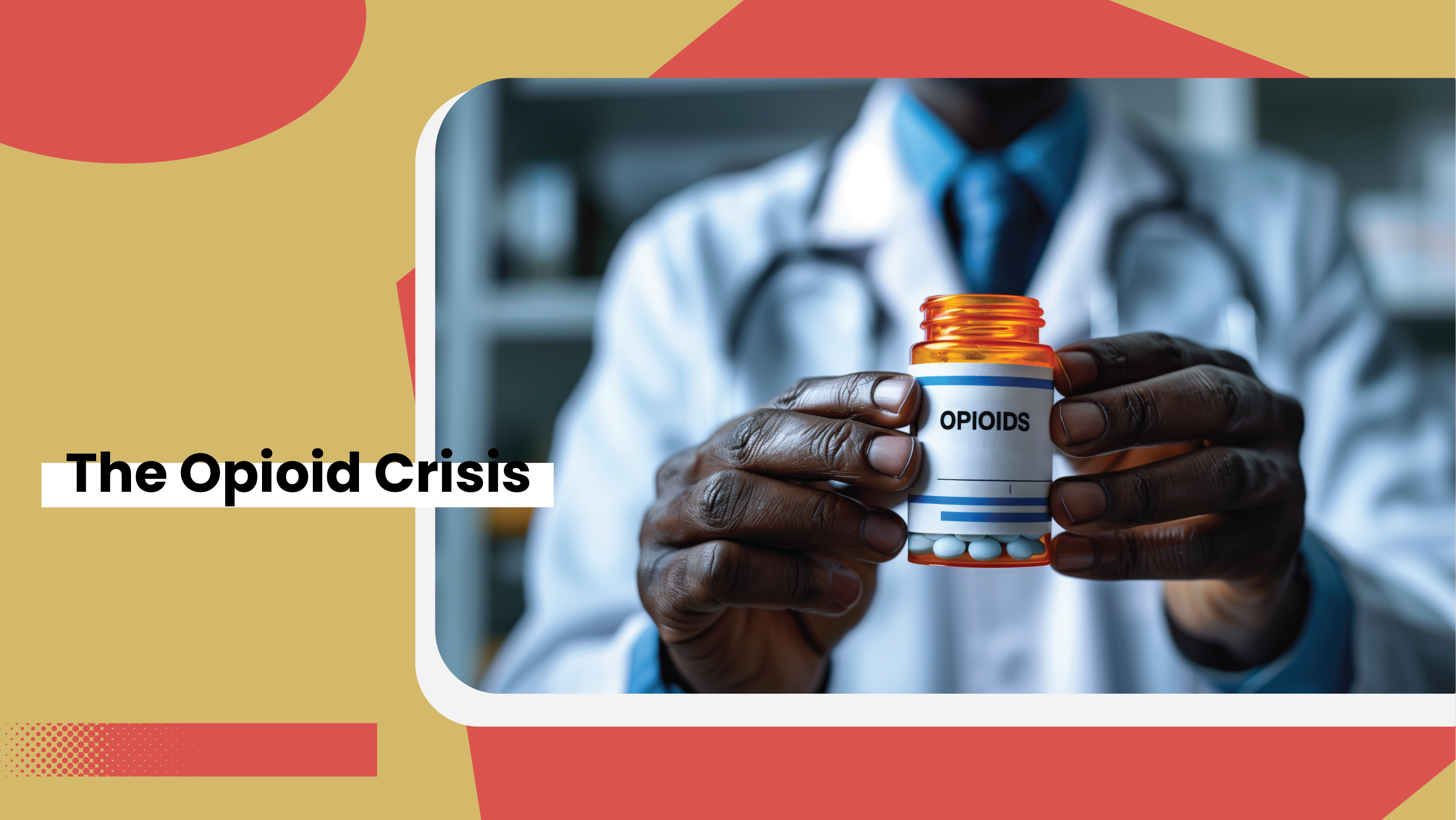
Students will consider various perspectives on accountability and prevention strategies.
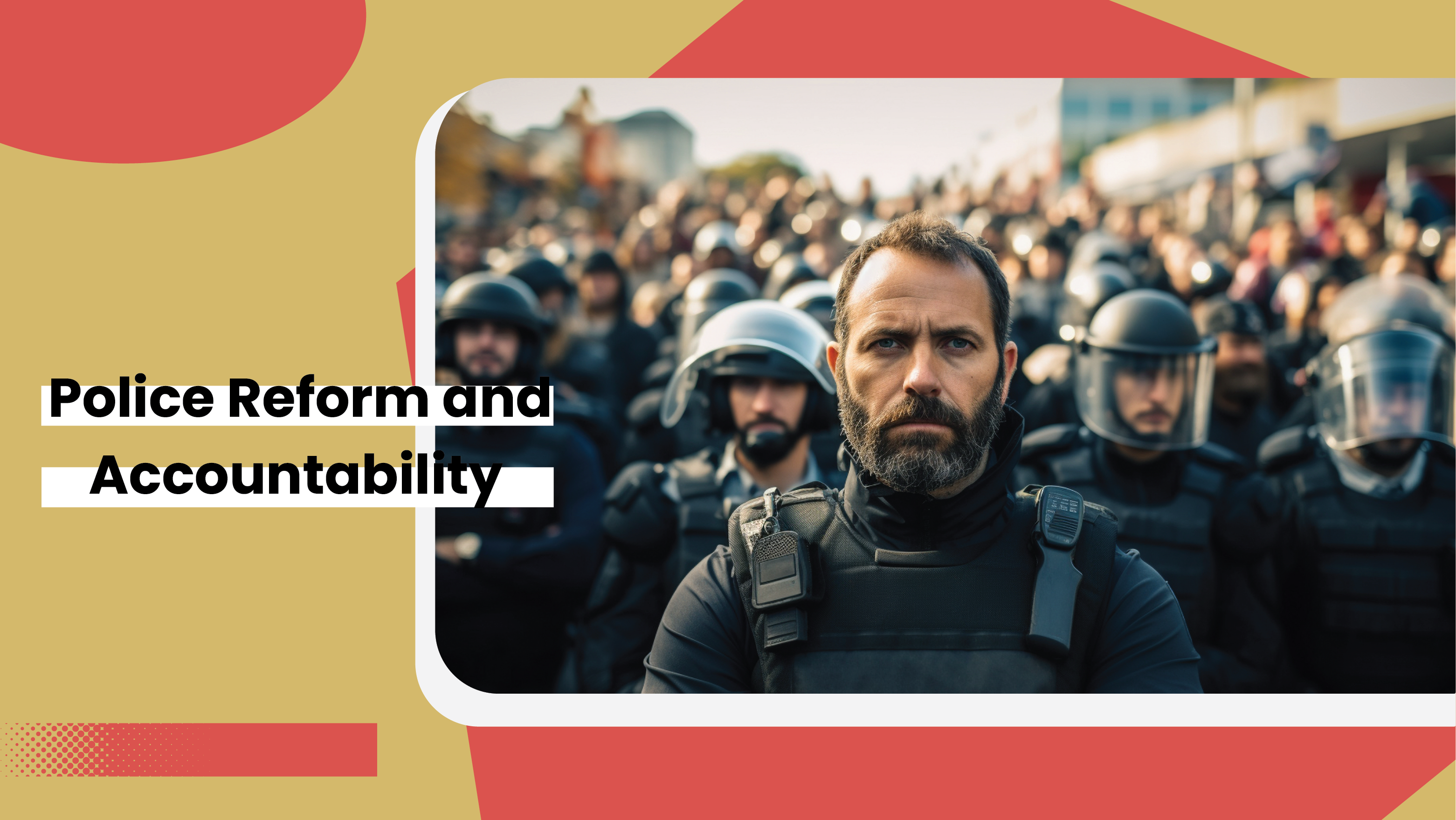
Engage in discussions about different perspectives on policing practices, community relations, and strategies for reform.
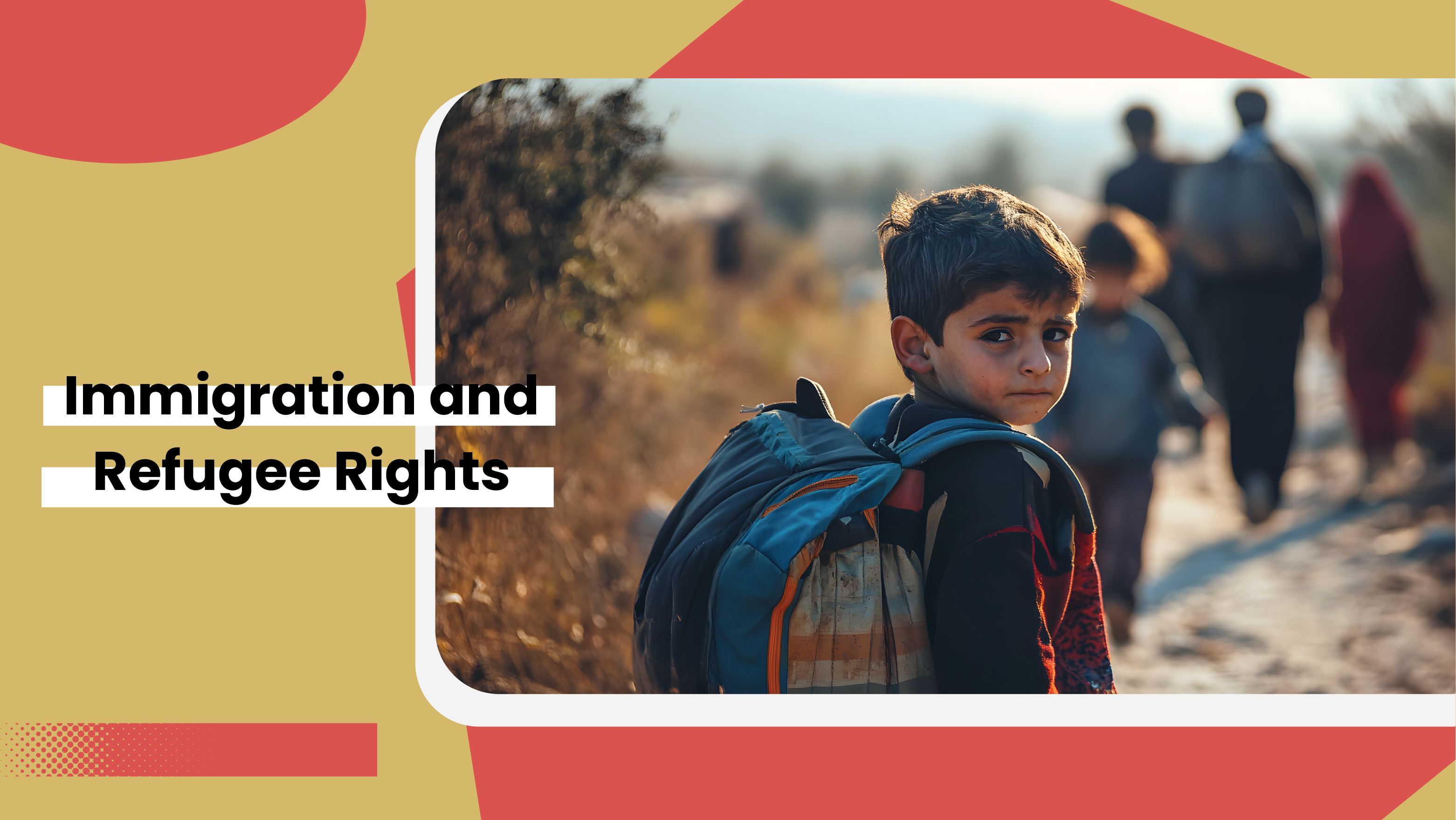
Students will discuss various perspectives on immigration policies, human rights, and the social and economic impacts of migration.
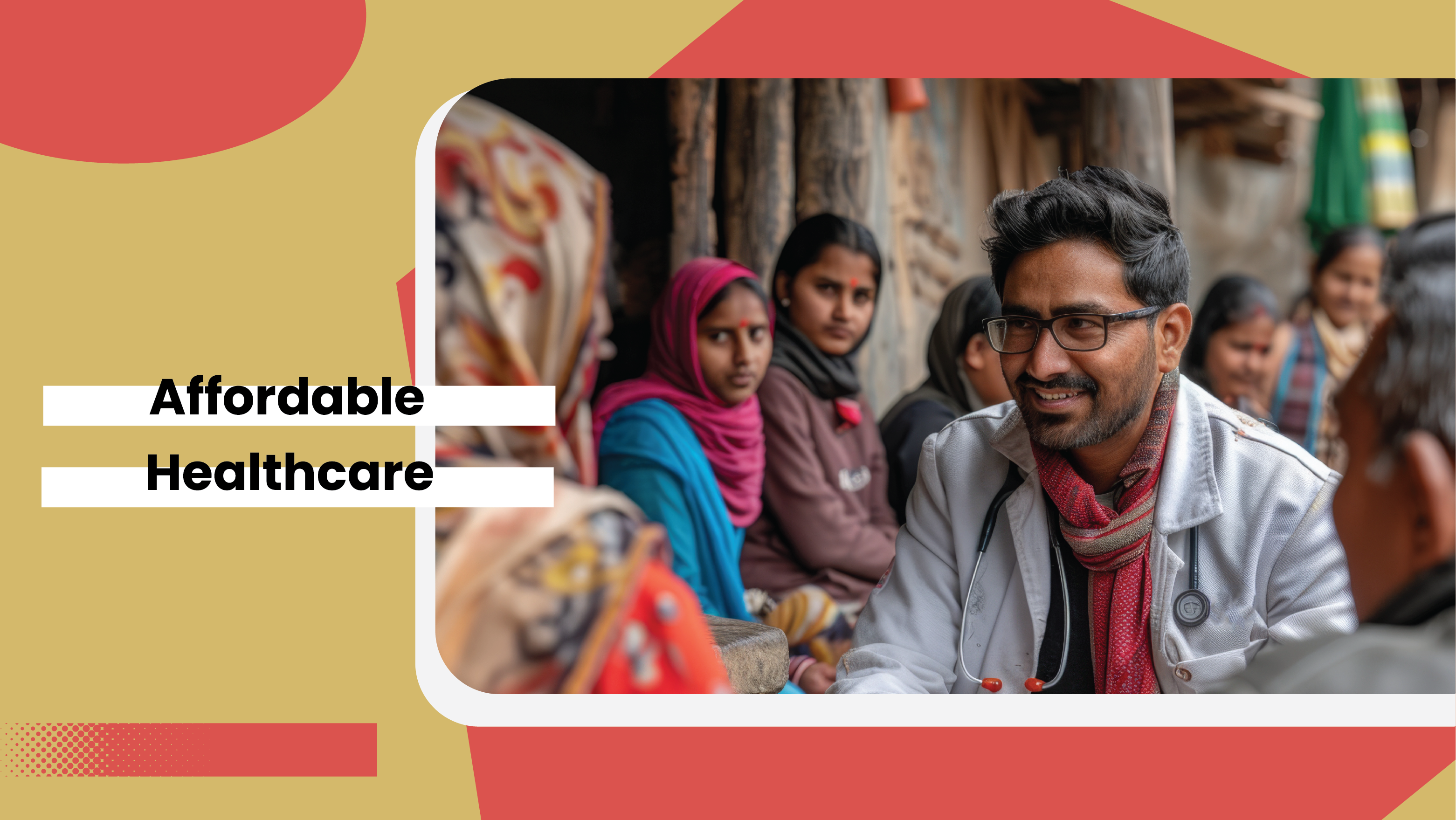
Students will discuss perspectives on healthcare systems, challenges in access, and the implications of healthcare inequality.
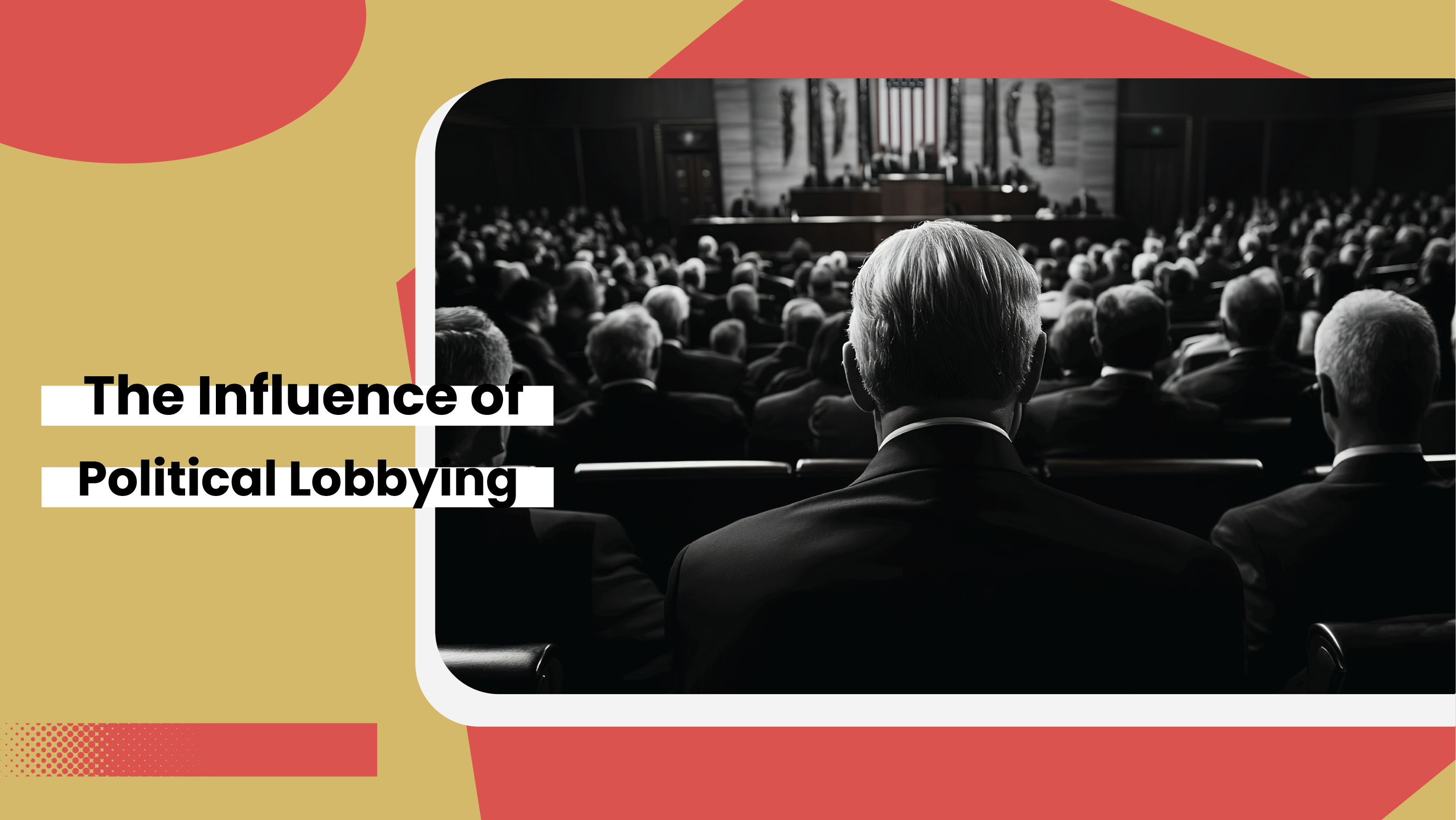
Students will discuss the roles of lobbyists, the ethical considerations of lobbying, and its effects on democracy and public interest.
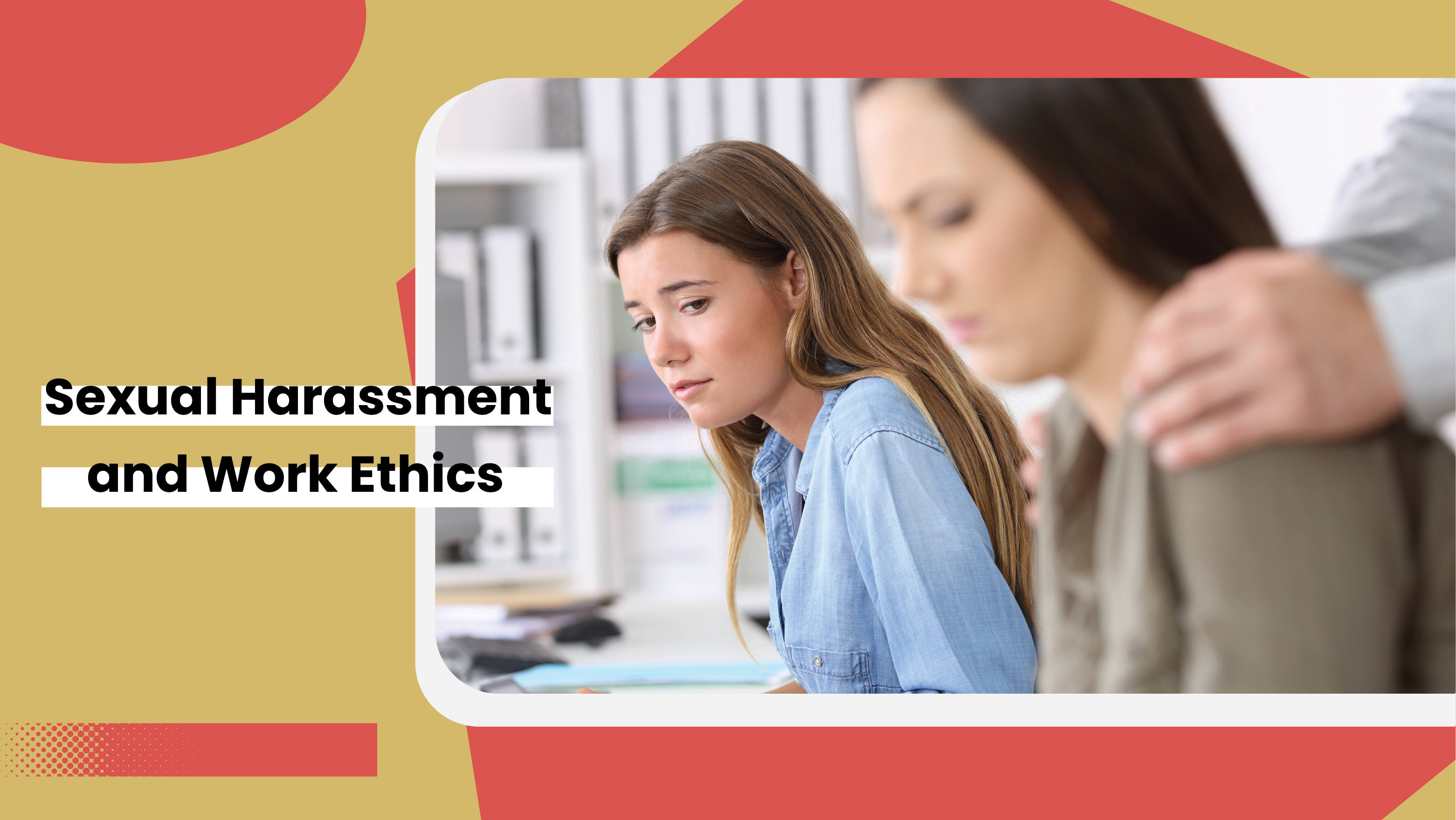
Students will explore the impact of harassment on workplace culture, understand appropriate responses, and learn vocabulary related to ethics and professionalism.
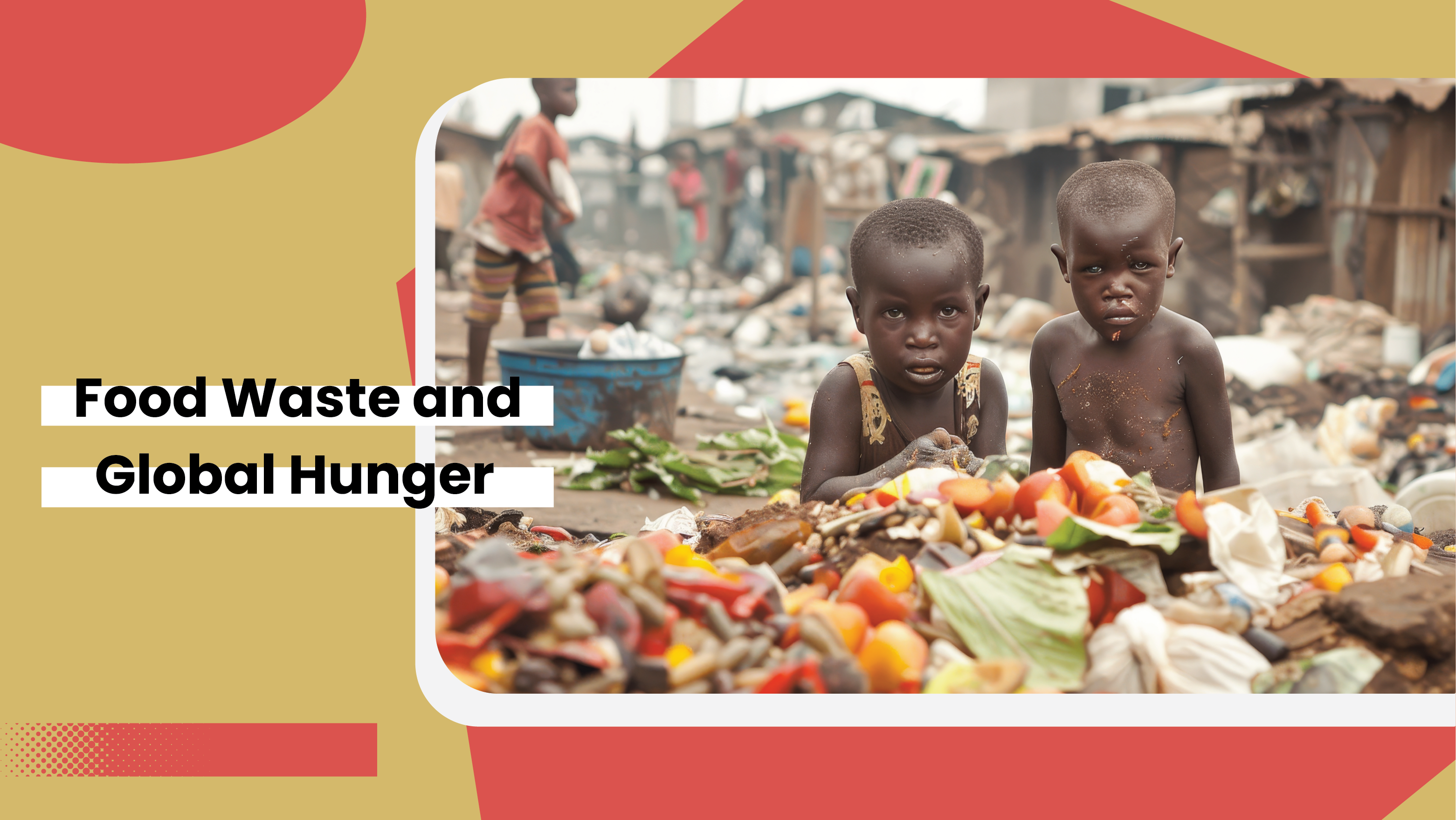
This lesson will explore the critical issues surrounding food waste and global hunger. Through engaging activities and discussions, students will gain a deeper understanding of the impact of food waste on communities and the world.
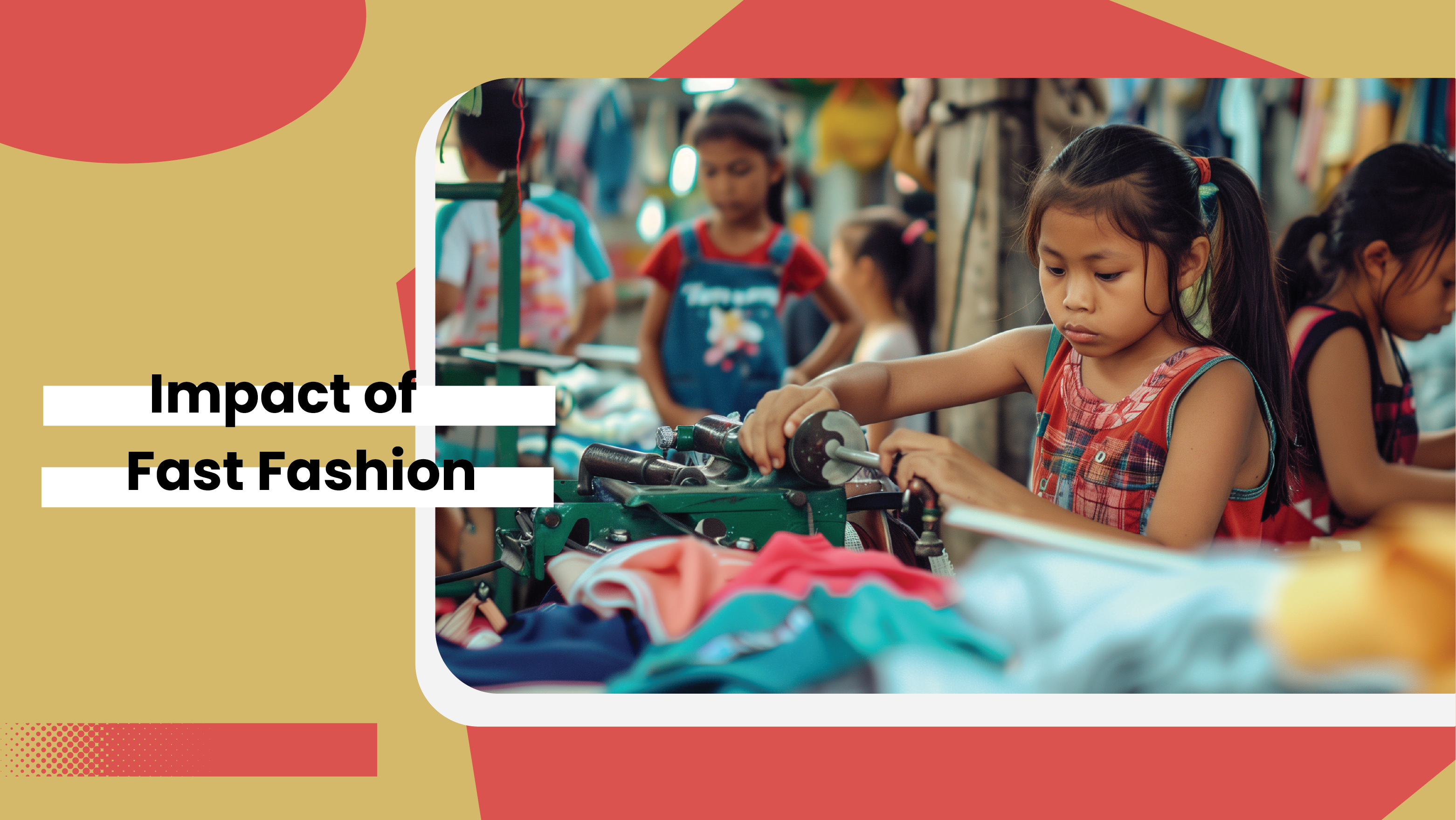
Students will explore the ethical implications of fast fashion practices, including labor exploitation and environmental degradation.
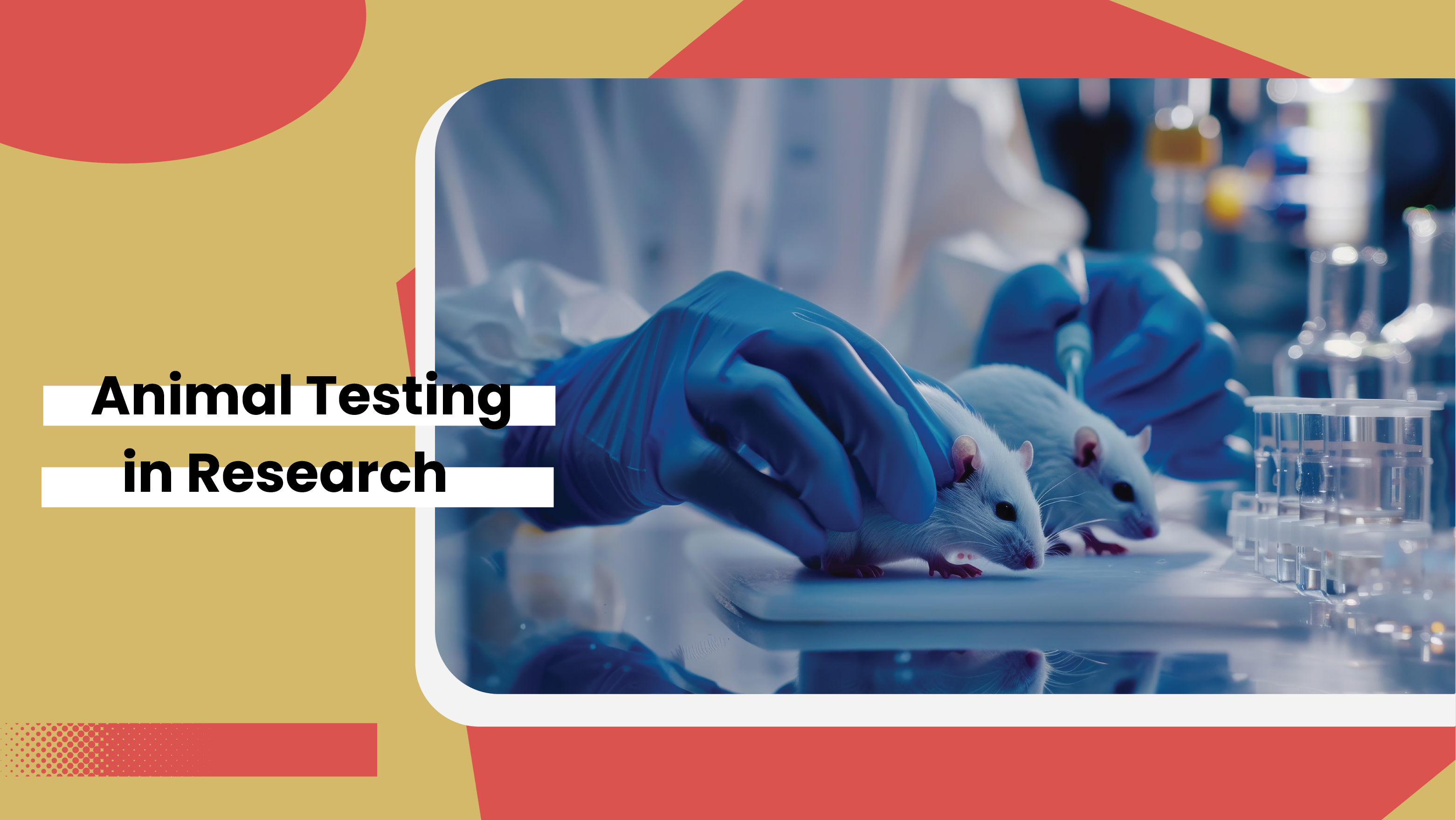
Students will discuss the arguments for and against animal testing, including its necessity for medical advancements versus animal rights concerns.
Students will discuss the balance between freedom of speech and the need to protect individuals and communities from harm.
Student will discuss how influencer content affects youth and whether there should be stricter guidelines for marketing aimed at younger audiences.
Students will discuss the potential and challenges of renewable energy, the technologies behind them, and their environmental and economic impacts.
Students will discuss the positive and negative aspects of pop culture's influence on young people and share their thoughts on how they navigate it in their own lives.
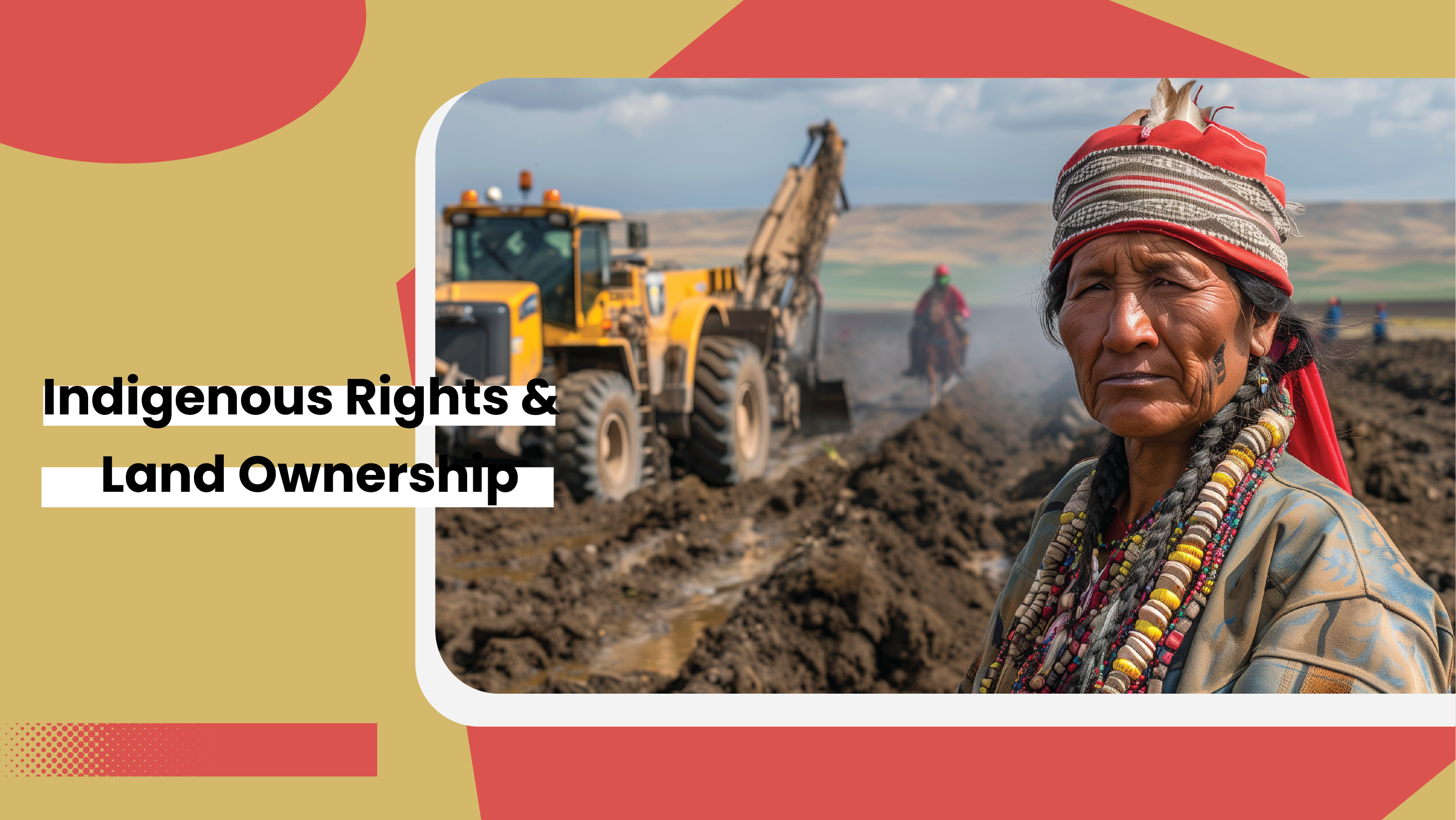
Students will discuss the impact of land ownership on indigenous communities, challenges they face, and the importance of protecting these rights in modern society.
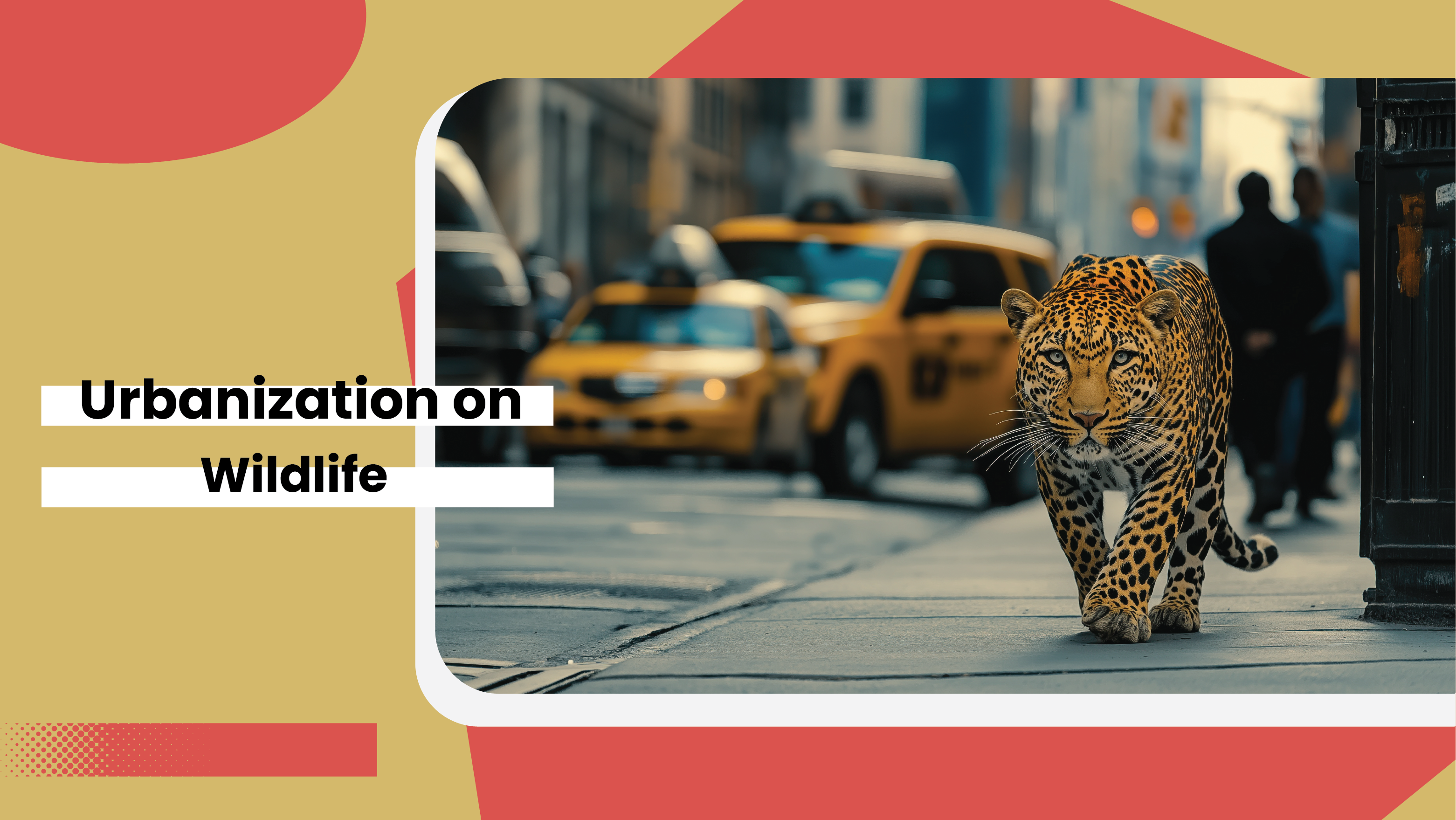
Students will discuss the consequences of expanding cities on natural habitats and consider ways to balance urban development with wildlife conservation.
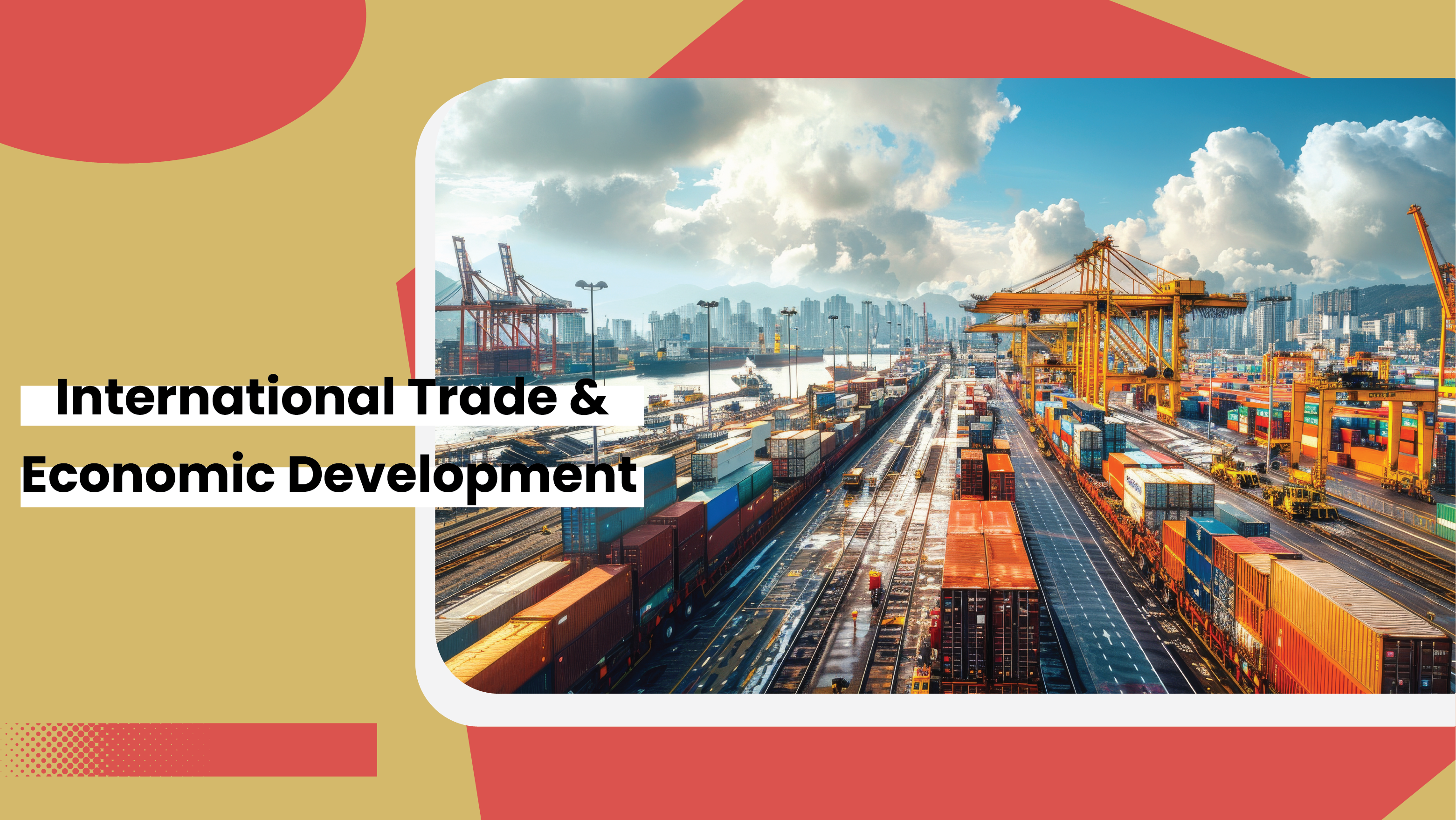
Students will explore how global trade affects countries’ economies, jobs, and overall growth, and will discuss the benefits and challenges of engaging in the global market.
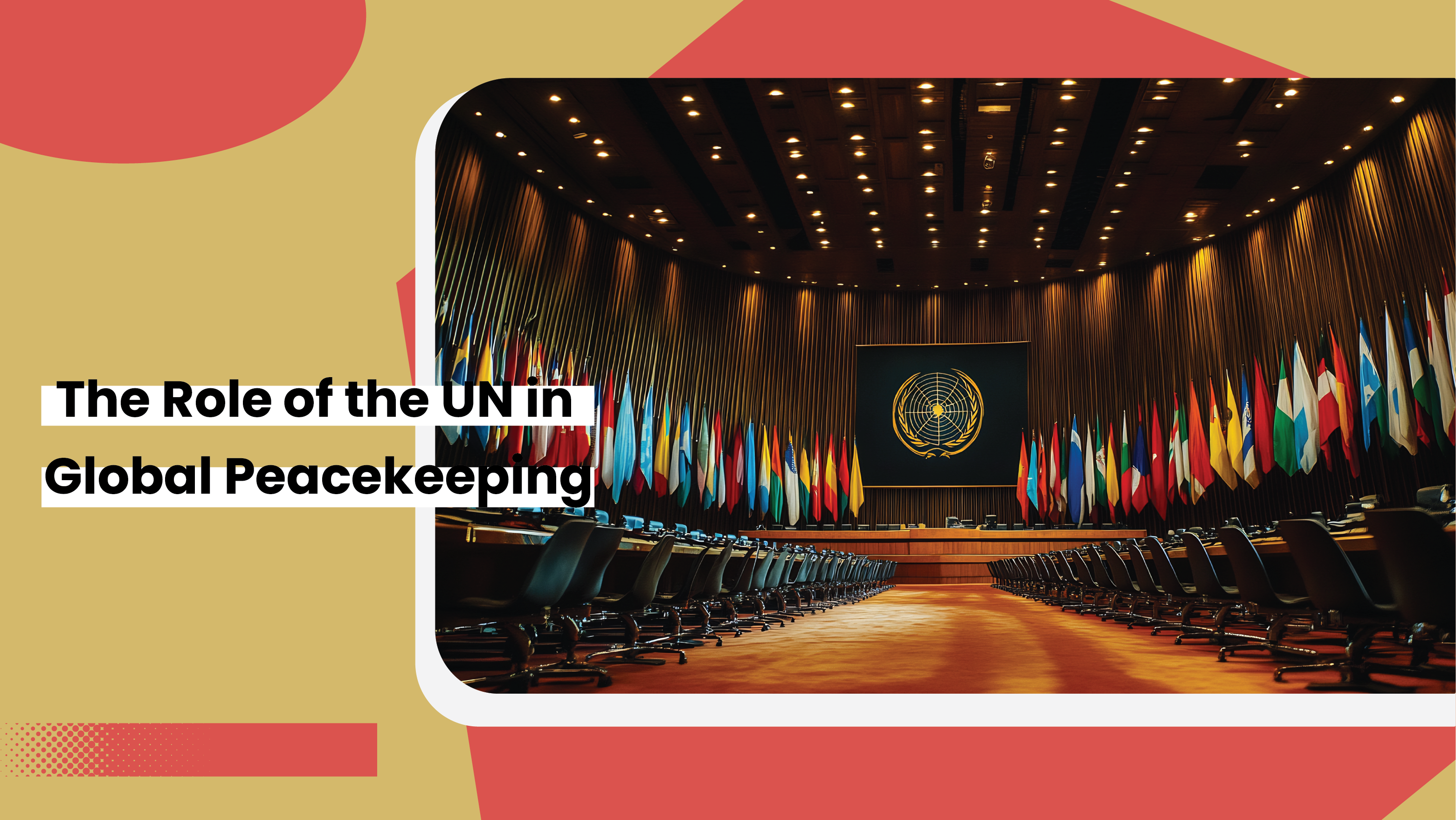
Students will discuss the UN's peacekeeping missions, its goals, and how it intervenes in international conflicts to support peace and stability.
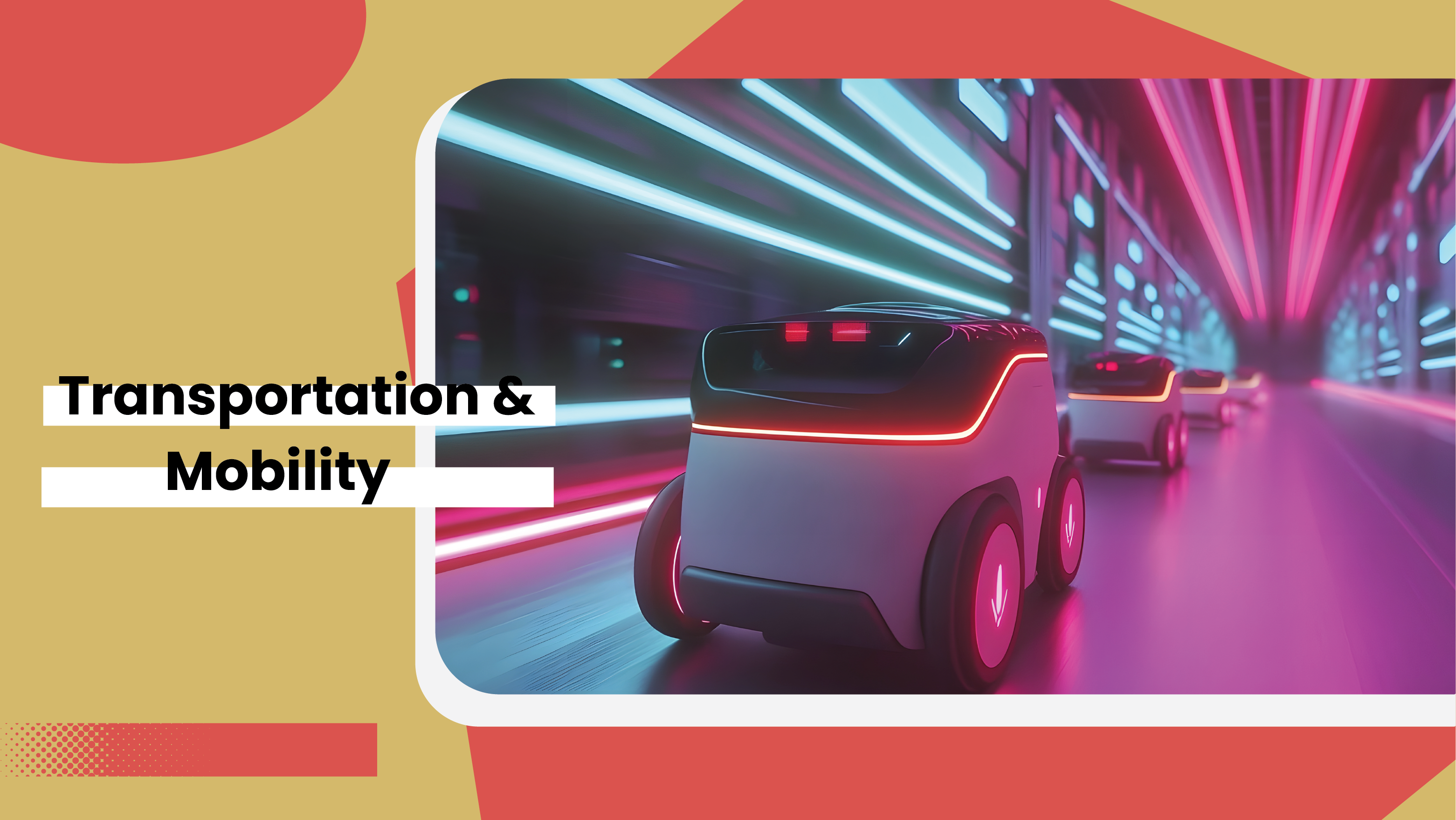
Students will explore new forms of mobility, the benefits of technology in transportation, and the potential challenges these changes bring.
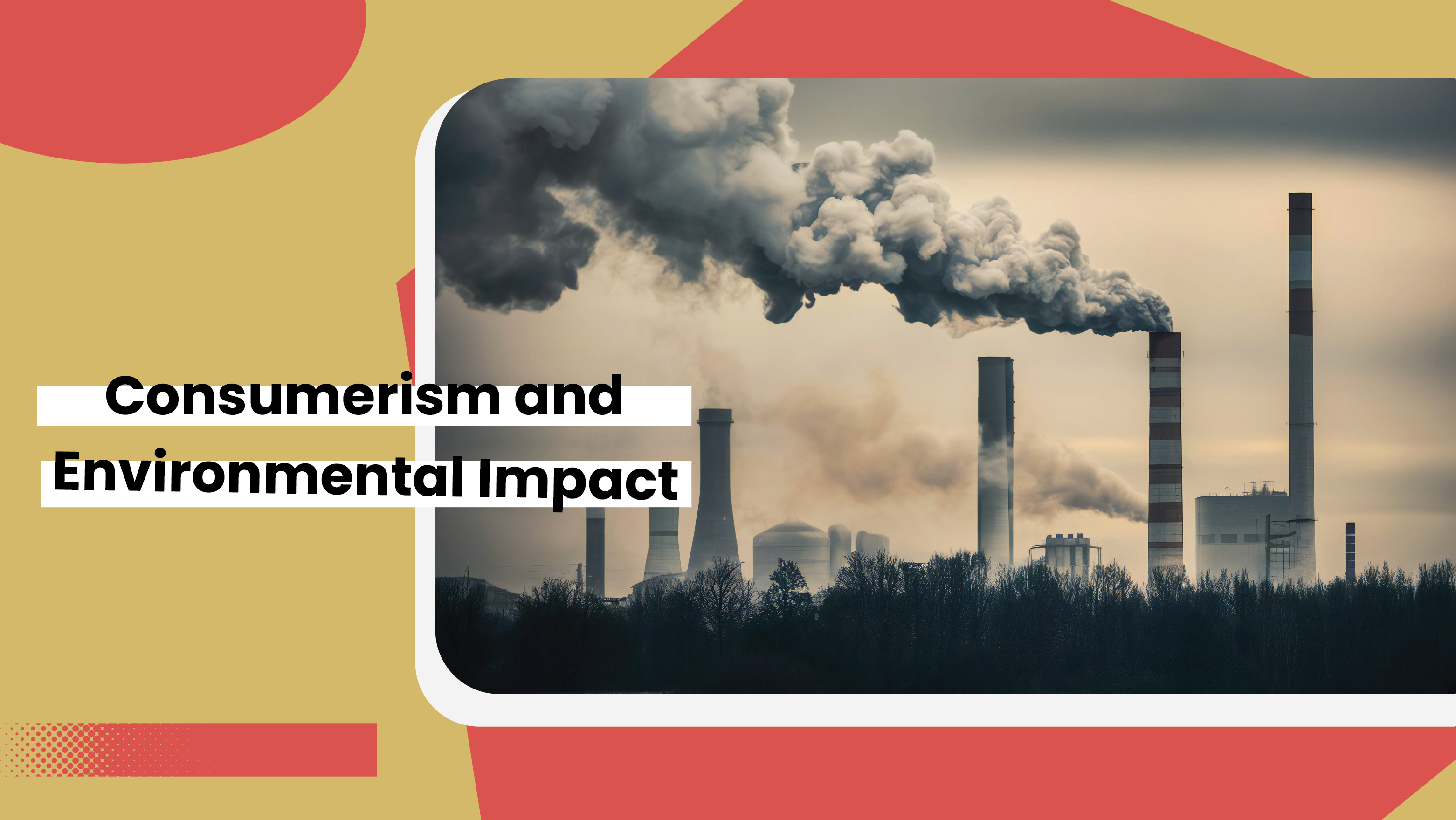
Students will examine the relationship between consumer habits and environmental harm, as well as explore ways to reduce their environmental footprint through mindful consumption.
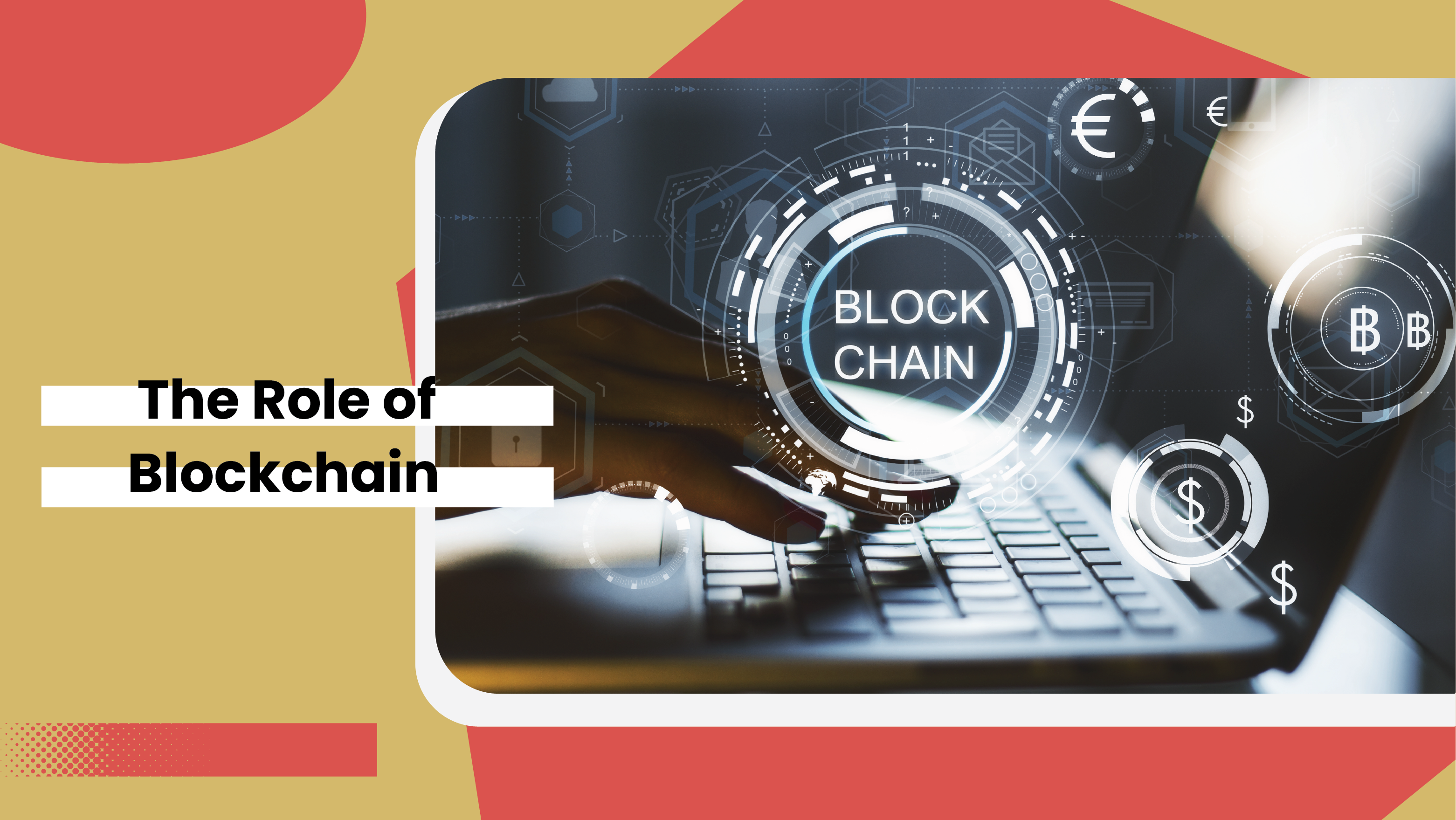
Students will explore key concepts like digital ledgers, cryptocurrency, and smart contracts, discussing the benefits and potential challenges blockchain brings to the finance sector.
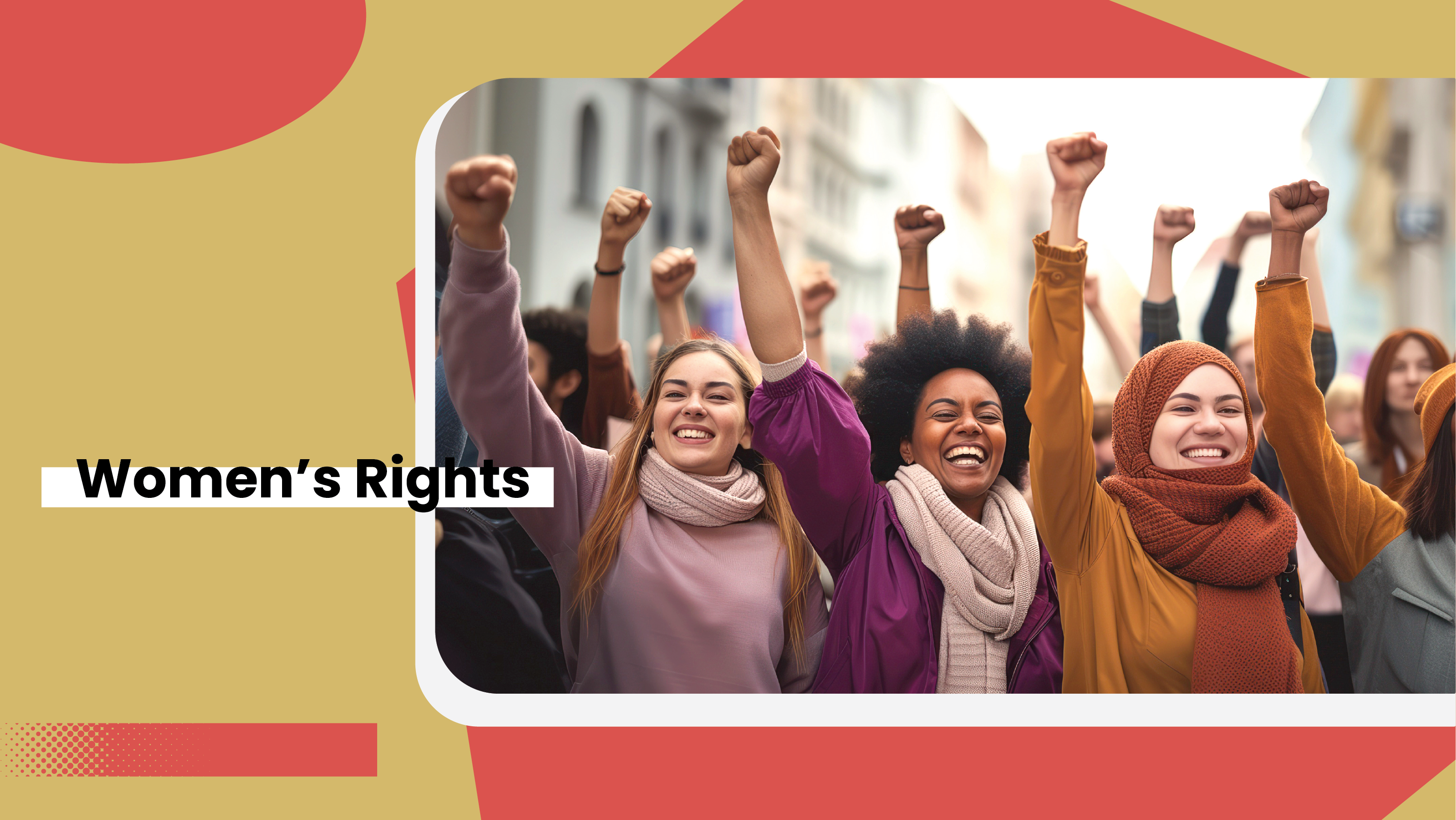
Students will discuss global challenges women face in accessing equal opportunities, education, and justice. Additionally, students will investigate the progress made in improving women's rights and the ongoing struggles in various countries.
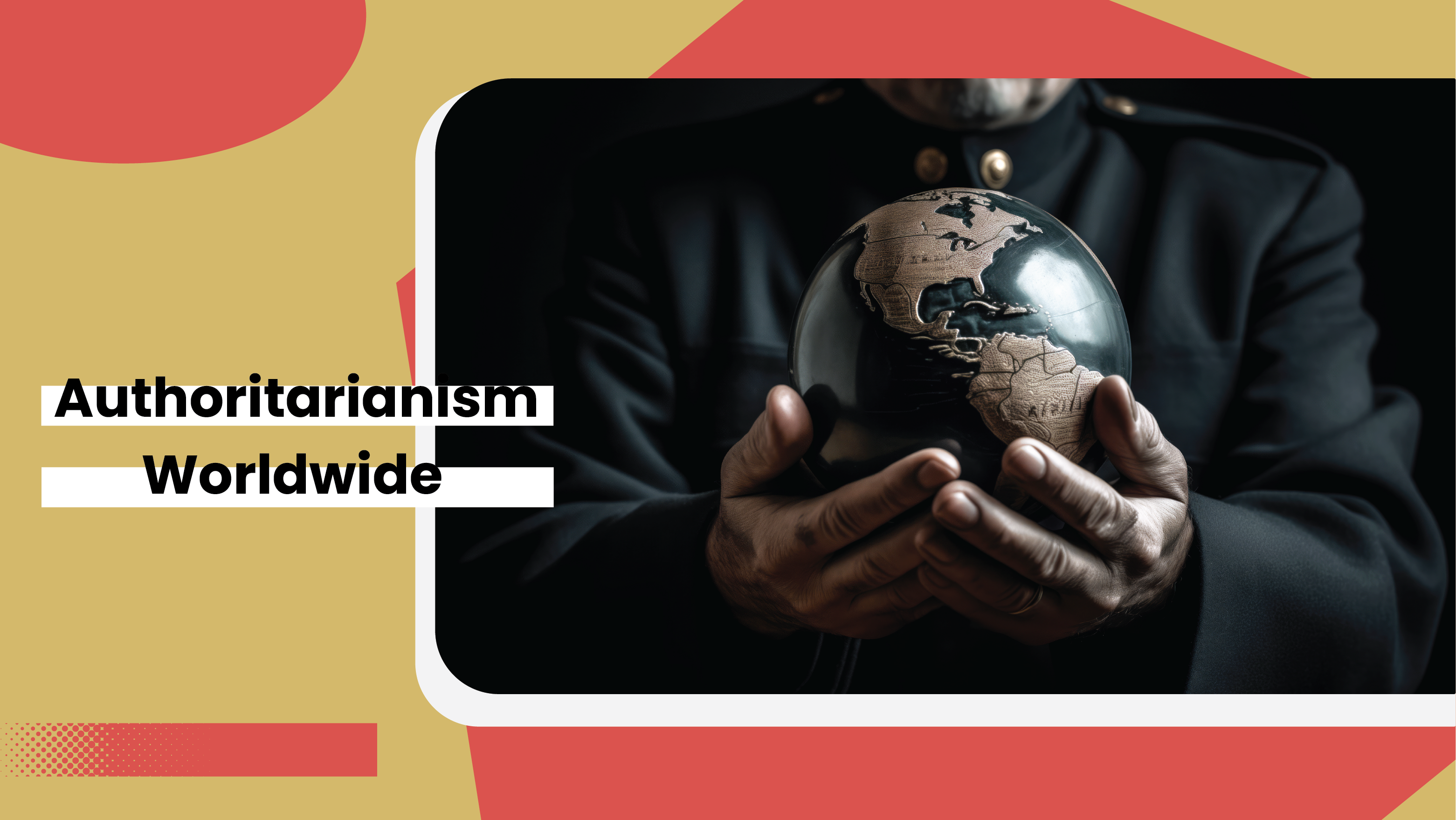
Students will examine the characteristics of authoritarian governments and consider how they impact individuals' rights and freedoms.
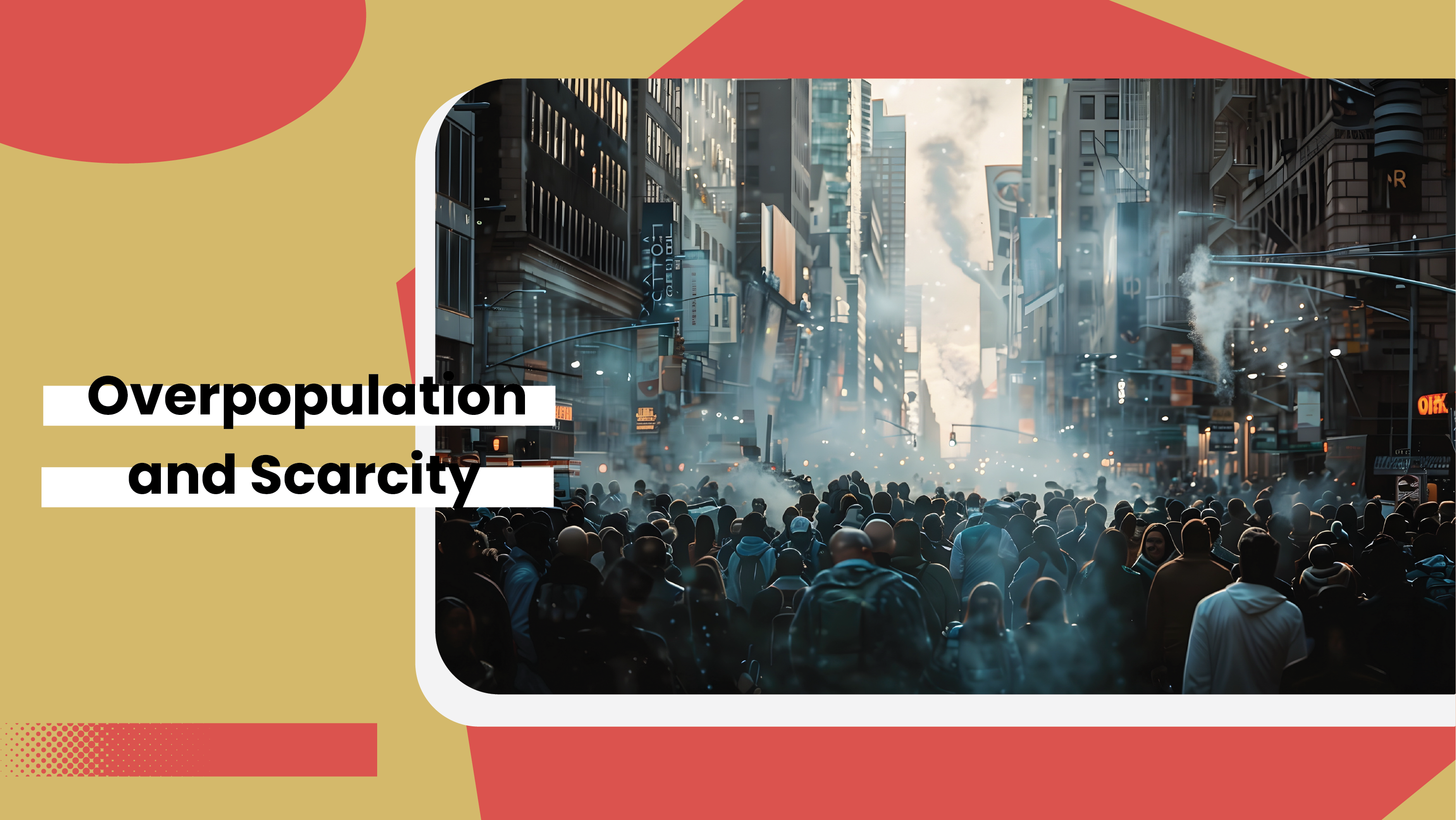
Students will explore how population growth affects access to essential resources, such as water, food, and energy.
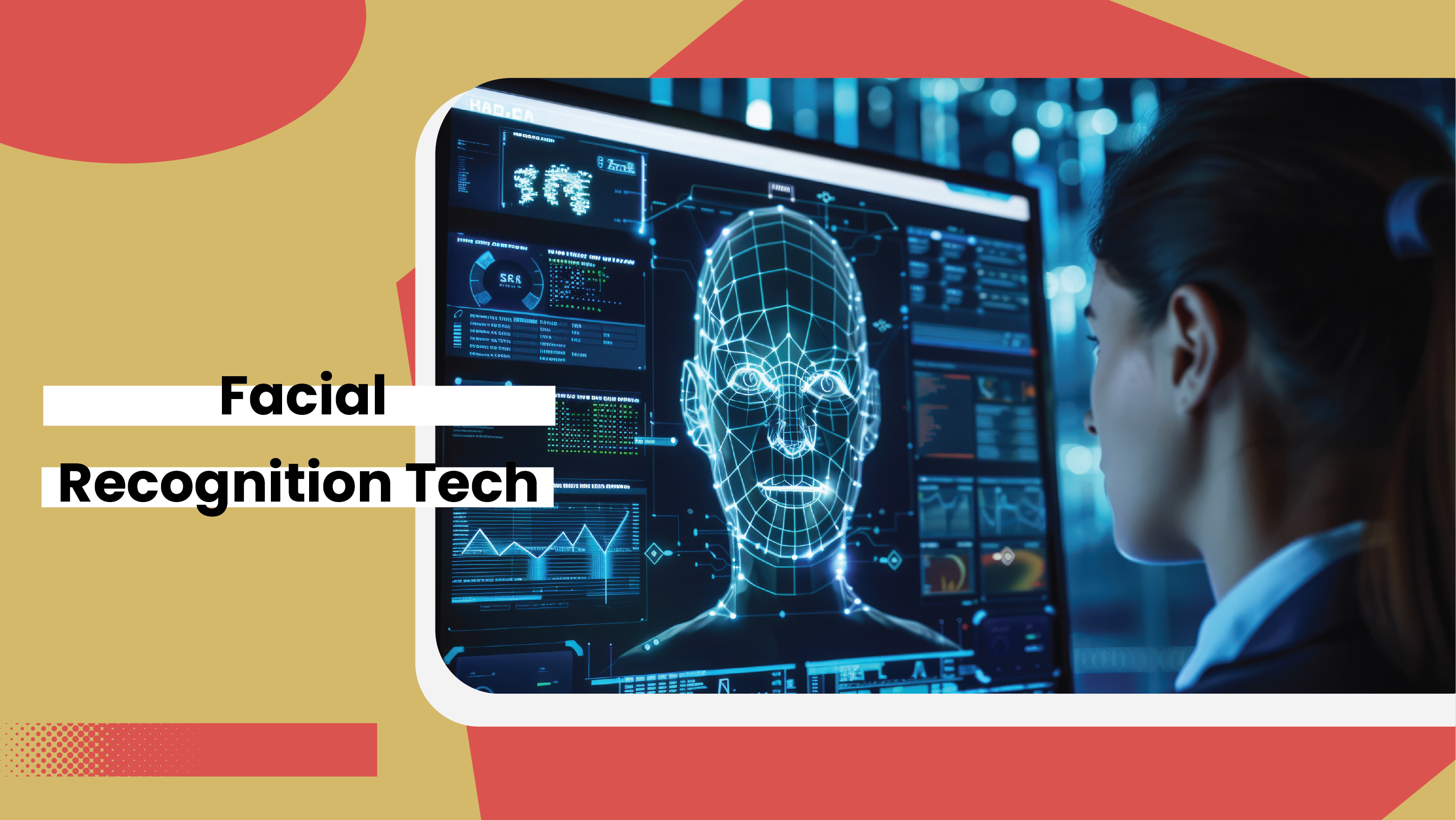
Students will learn about the various uses of this technology, its potential impact on privacy and personal freedoms, and discuss the balance between security and individual rights.
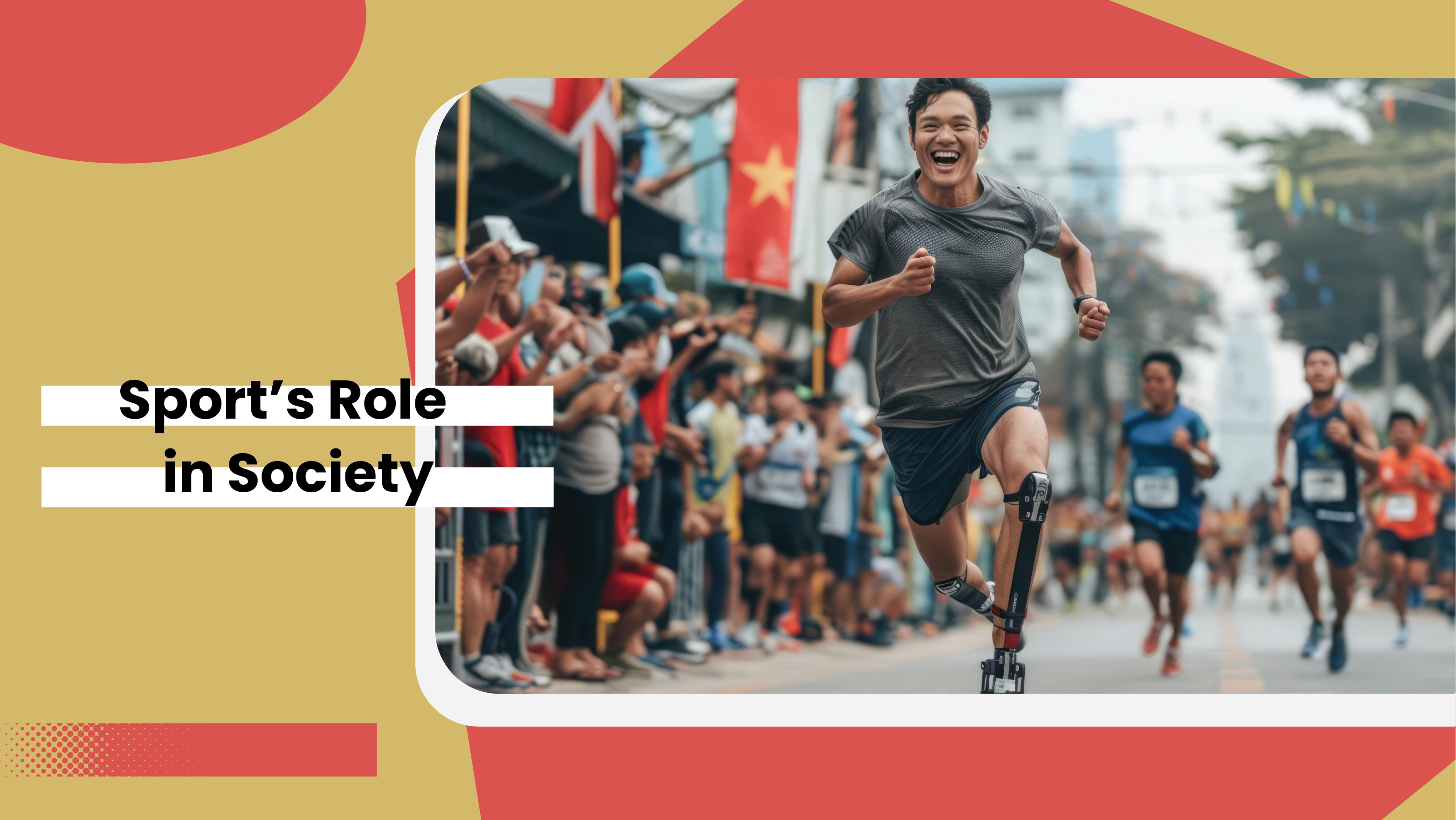
Students will discuss how sports influence culture, economy, and identity, as well as the potential challenges and benefits they bring to communities.
Students will discuss the key principles of managing money, budgeting, saving, and planning for the future. They will explore how financial literacy can impact their lives and their ability to achieve long-term goals.

Students will discuss the role of music in different cultural contexts, its power to bring people together, and its impact on social values and identity.
Students will discuss how data is collected, stored, and used, as well as the ethical considerations involved.
Students will discuss how these intersections shape people's experiences and how understanding them promotes inclusivity and equality in social justice efforts.

Students will examine the different role family members play in shaping emotional, social, and cognitive aspects of a child's life.
Students will discuss the impact of poverty on individuals and communities, and consider various strategies for reducing crime through social and economic policies.
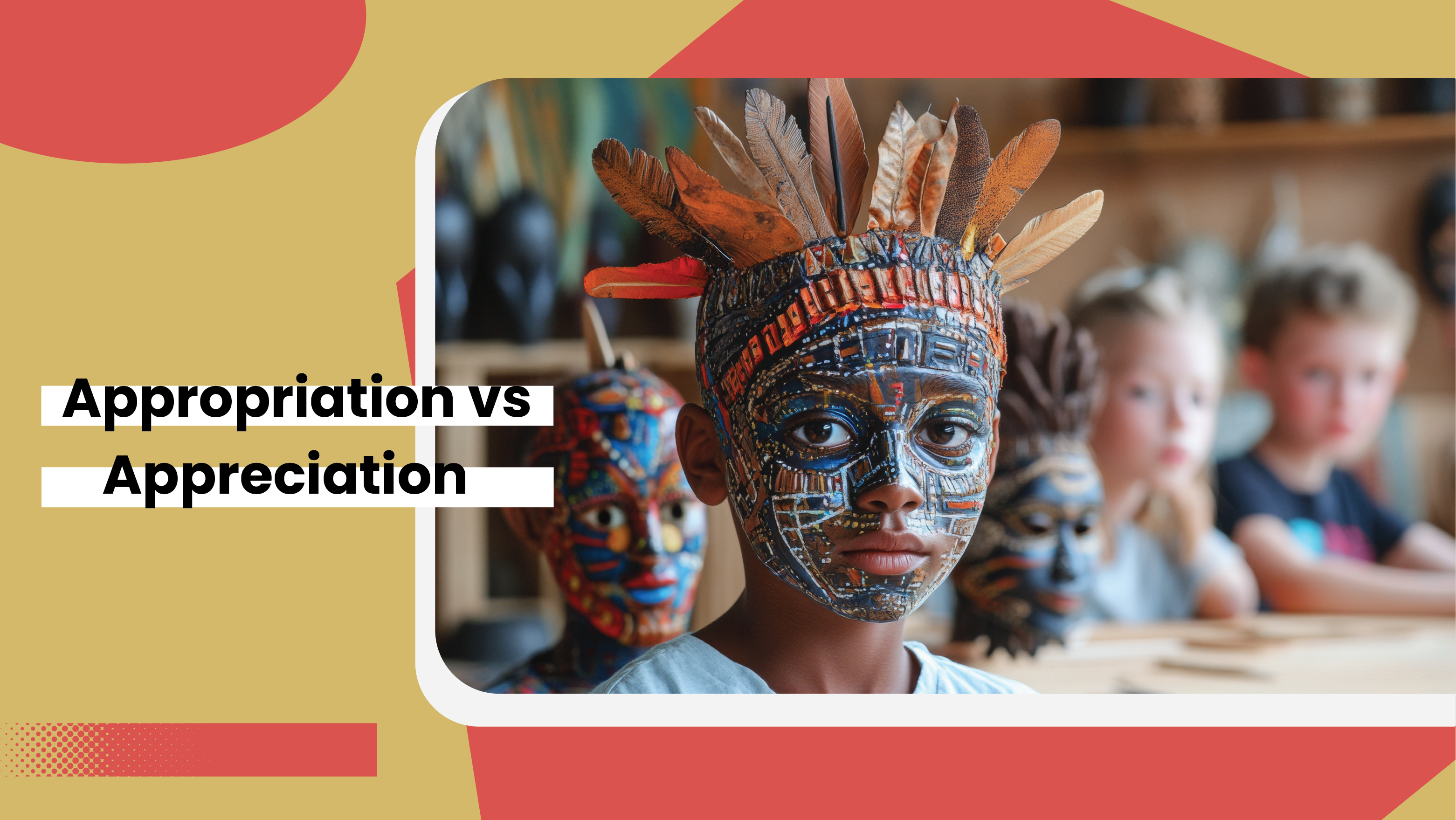
Students will discuss how cultural practices, symbols, and artifacts are sometimes adopted by people from other cultures, and how this can lead to misunderstandings, respect issues, or positive exchange.
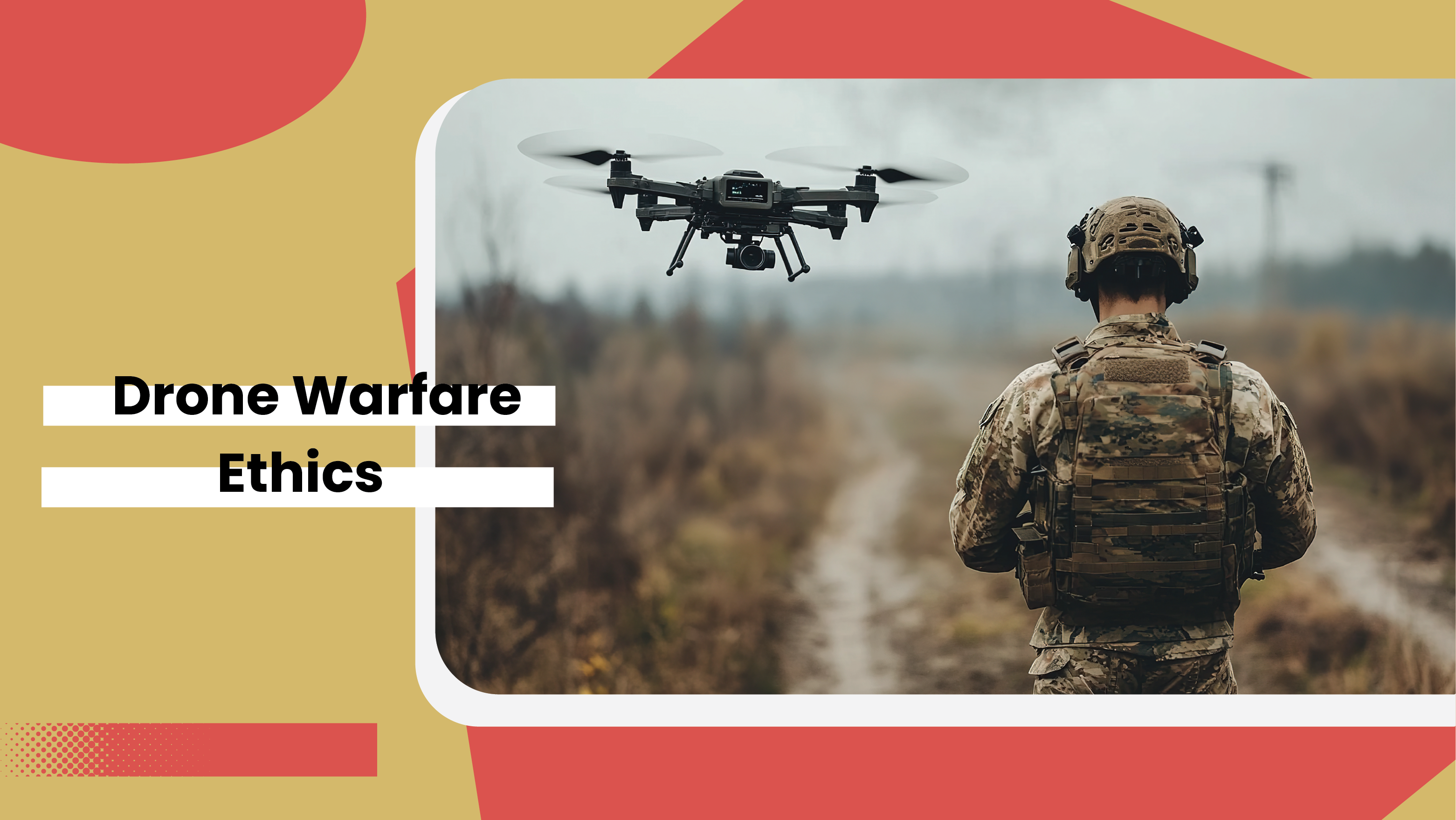
Students will discuss the role of drones in modern conflicts, weighing the benefits of increased precision and reduced risk to soldiers against the potential for misuse and unintended harm.
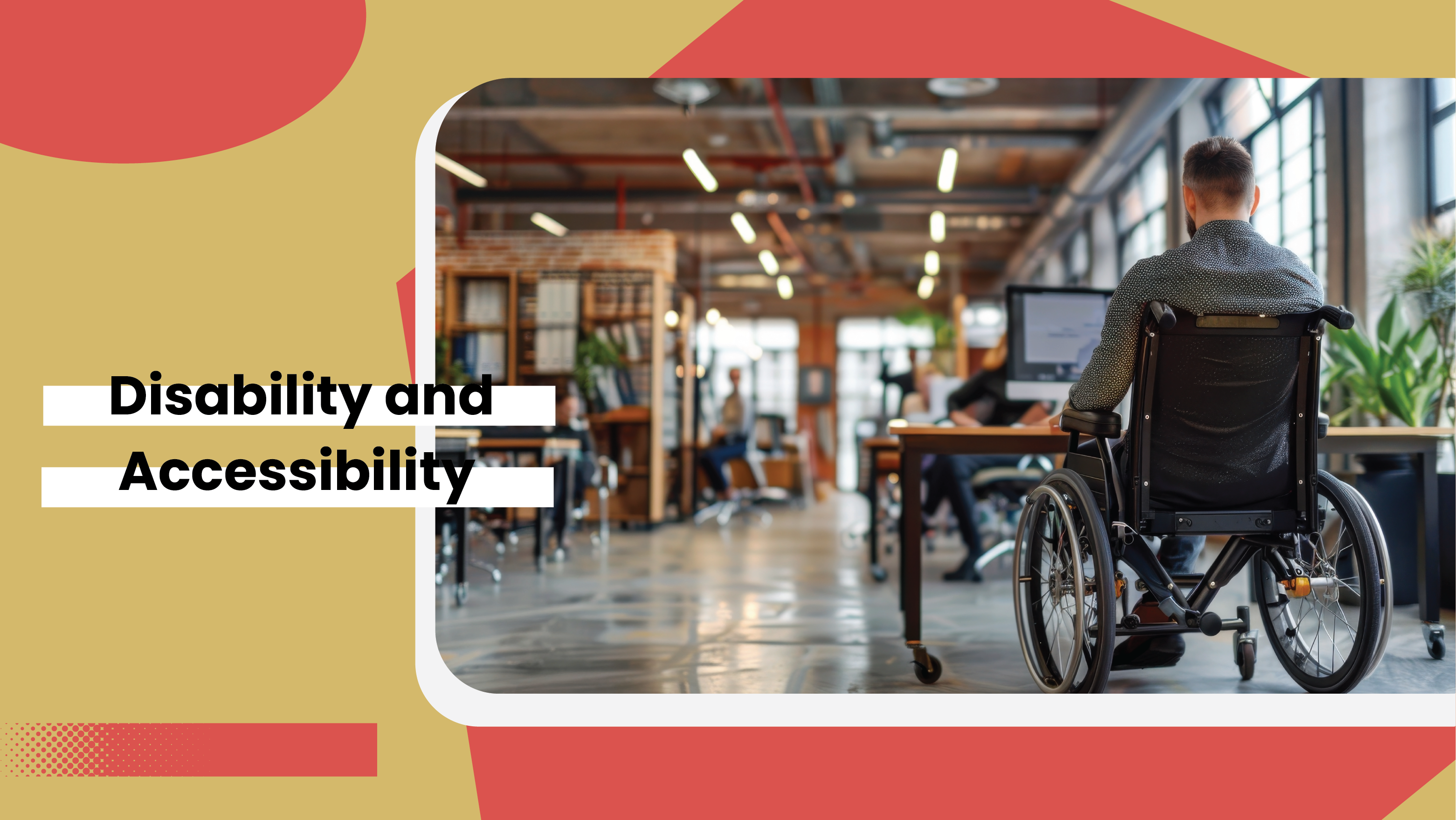
This lesson highlights disability rights and the role of accessibility in equal opportunities, discussing ways to make society more inclusive.
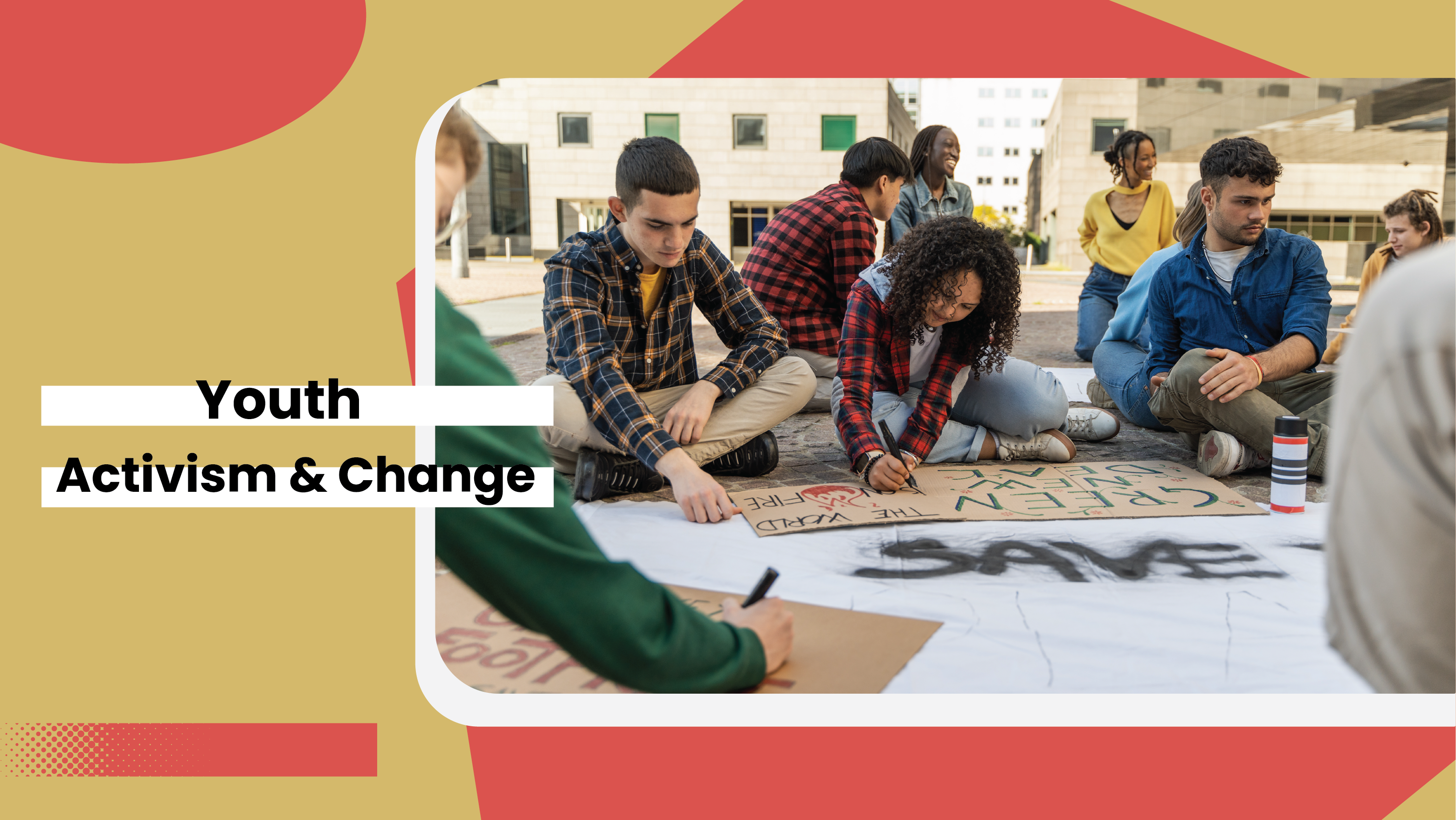
Students will discuss how youth activism has shaped movements around the world, the importance of youth involvement in issues, and how they can contribute to positive change in their communities.
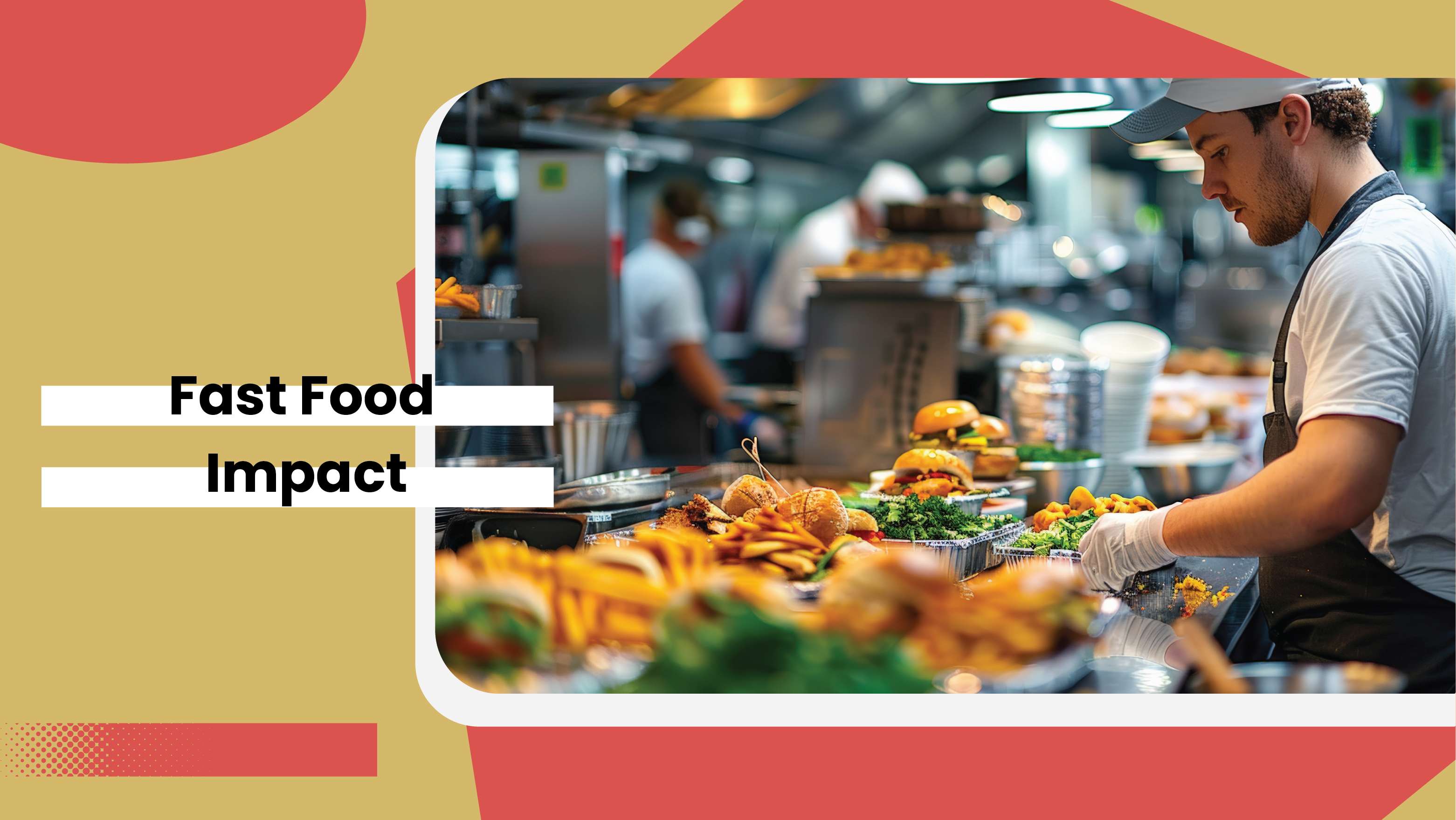
Students will discuss the pros and cons of fast food, healthier alternatives, and ways to maintain a balanced diet in a fast-paced world.
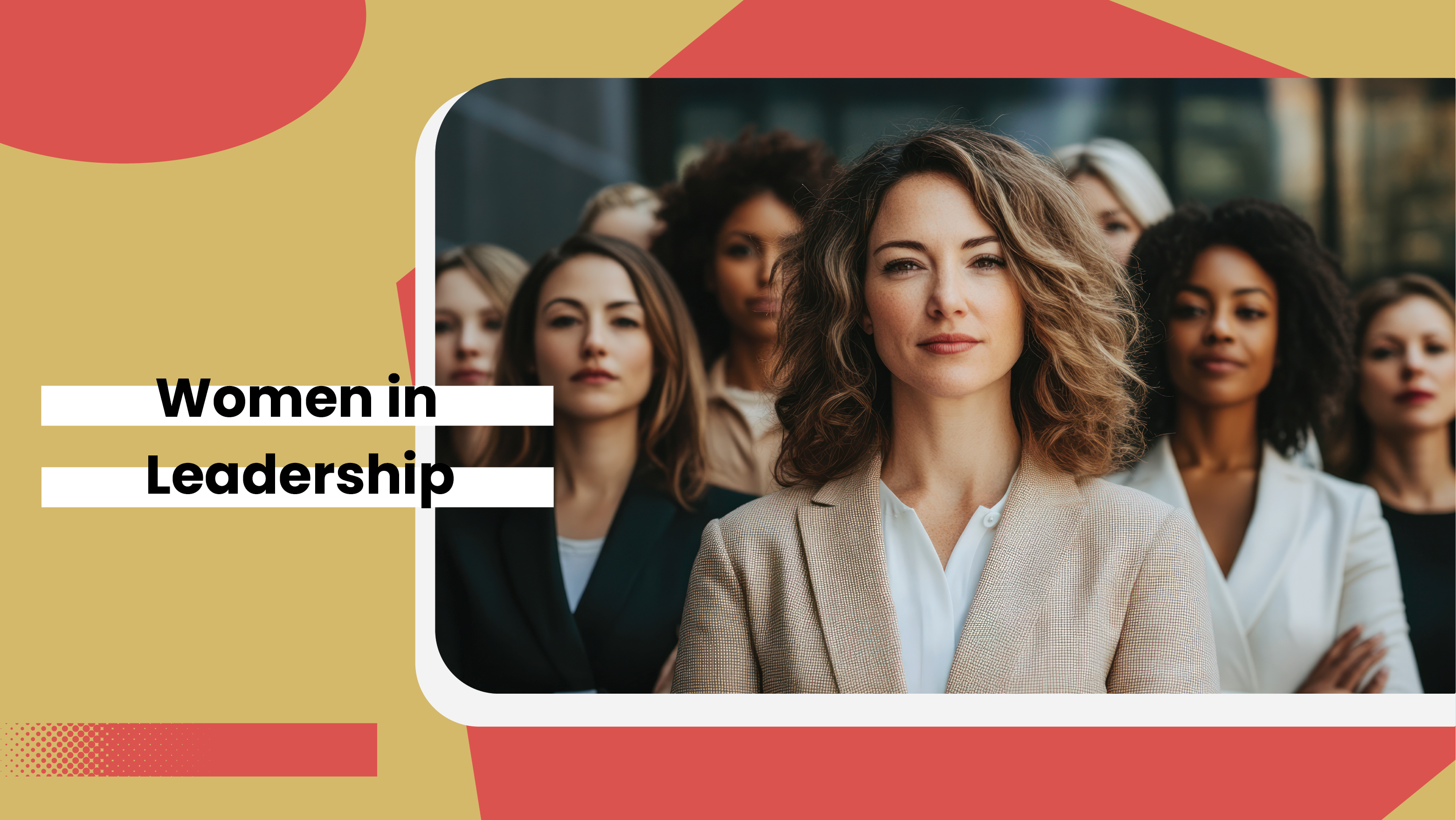
This lesson discusses the role of women in leadership positions across different fields and the challenges they face. The conversation will include topics like gender equality, the glass ceiling, and inspiring female leaders.
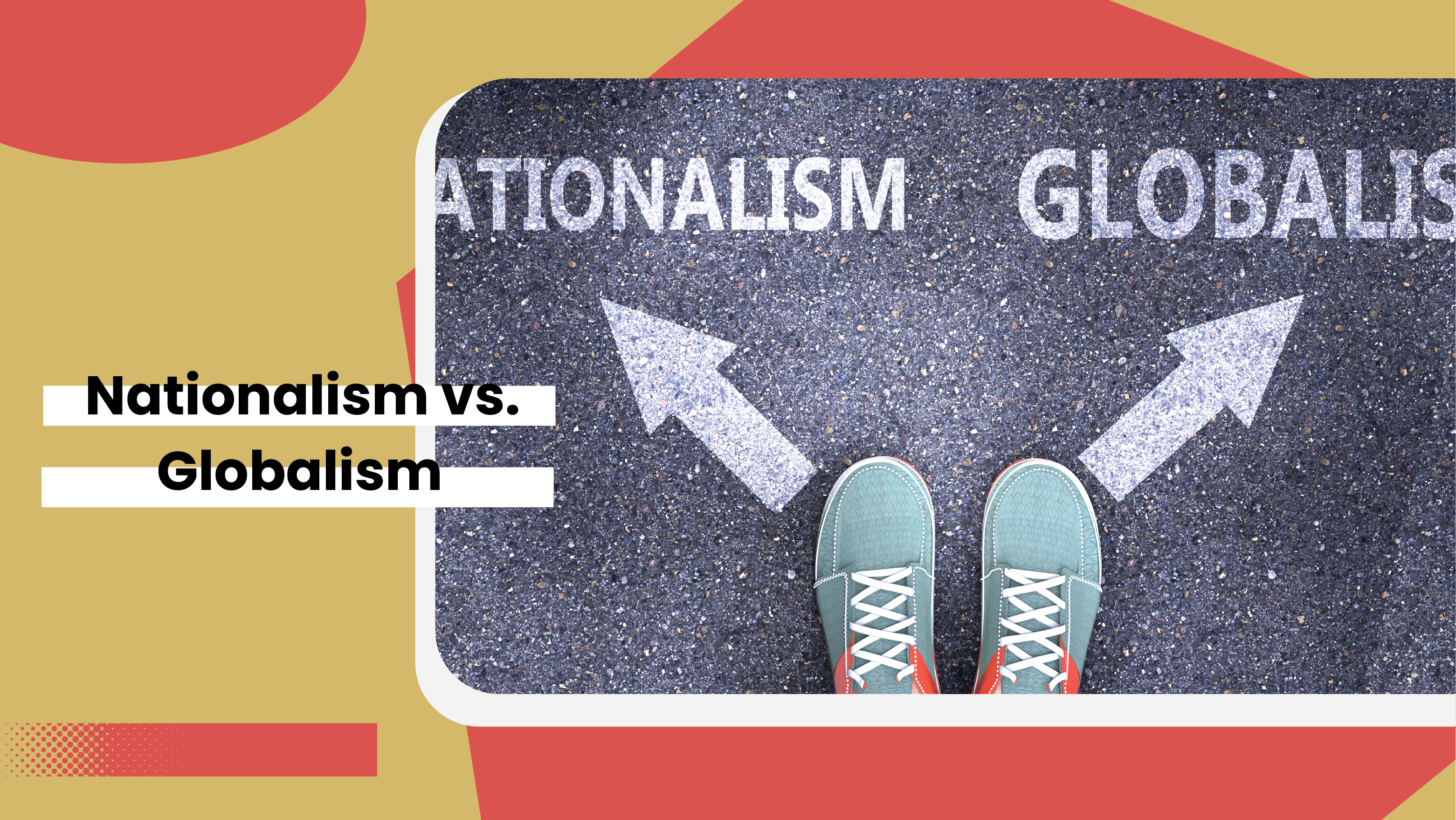
This lesson explores nationalism and globalism, examining their impact on individuals, societies, and nations. Students will reflect on balancing national identity with global unity and how these ideas shape perspectives.
This lesson explores the effects of globalization on cultural exchange, cultural identity, and how different cultures interact with each other in an increasingly interconnected world.
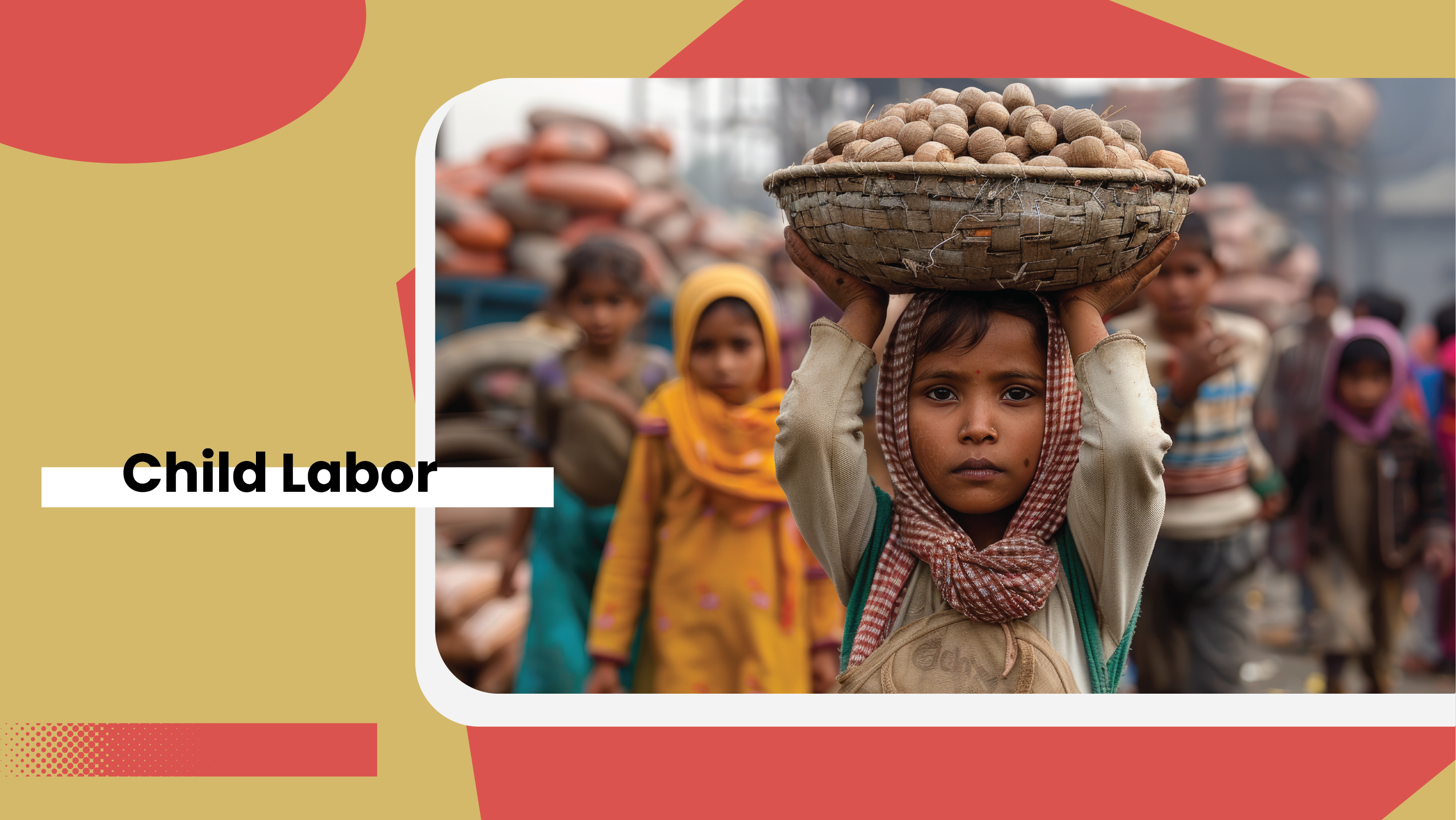
This lesson discusses the issue of child labor, its causes, and the impact it has on children and society. It also explores the efforts being made to eliminate it.
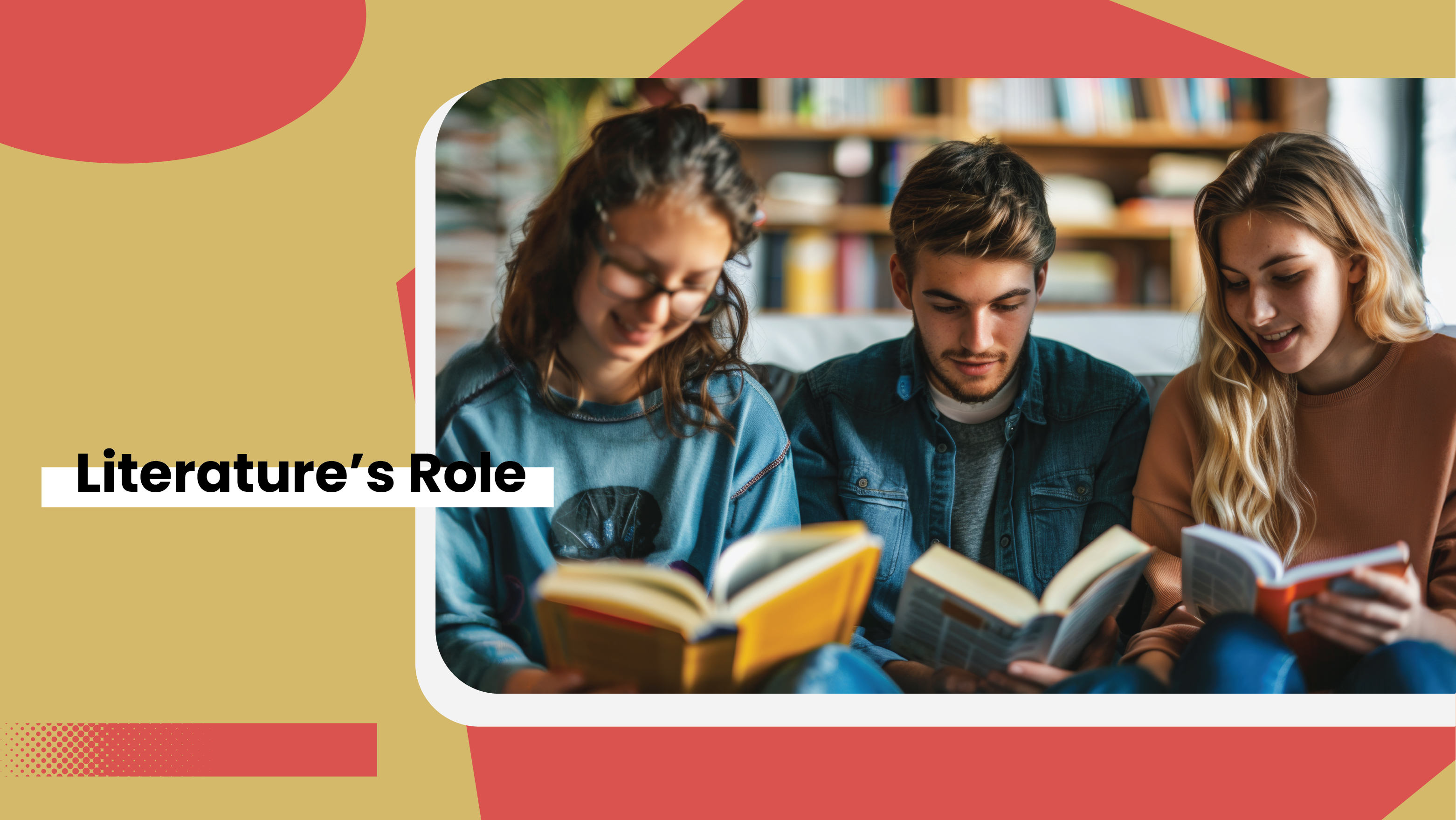
This lesson explores how literature has played a role in social change, the impact of writers in advocating for justice, and the power of storytelling in challenging societal norms.
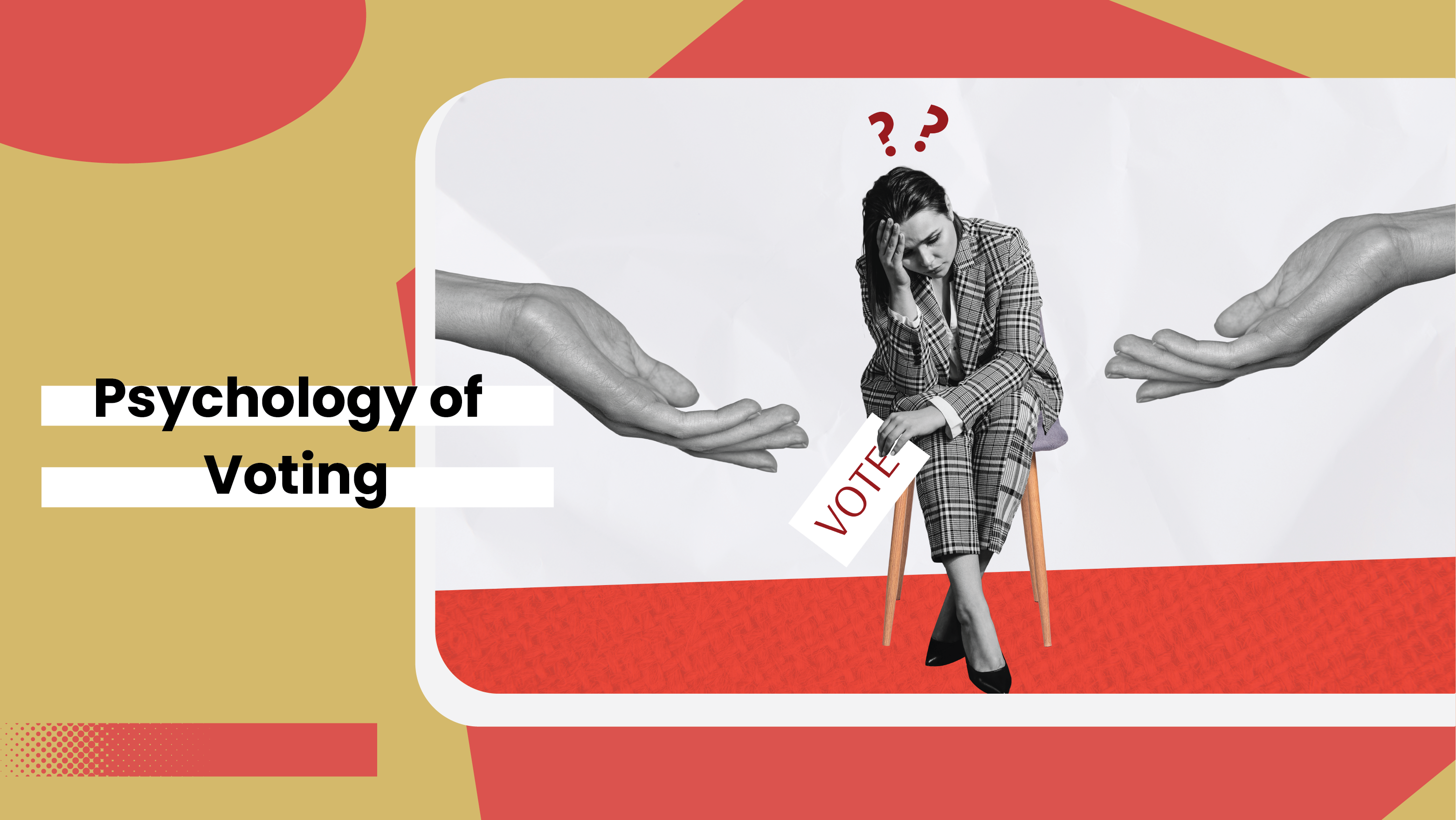
This lesson examines the psychological factors that influence voting behavior, the role of emotions in decision-making, and the impact of social influences on voter turnout.

This lesson explores the ethical considerations surrounding blood donation, the importance of donating blood, and the challenges of maintaining a safe and ethical blood supply.
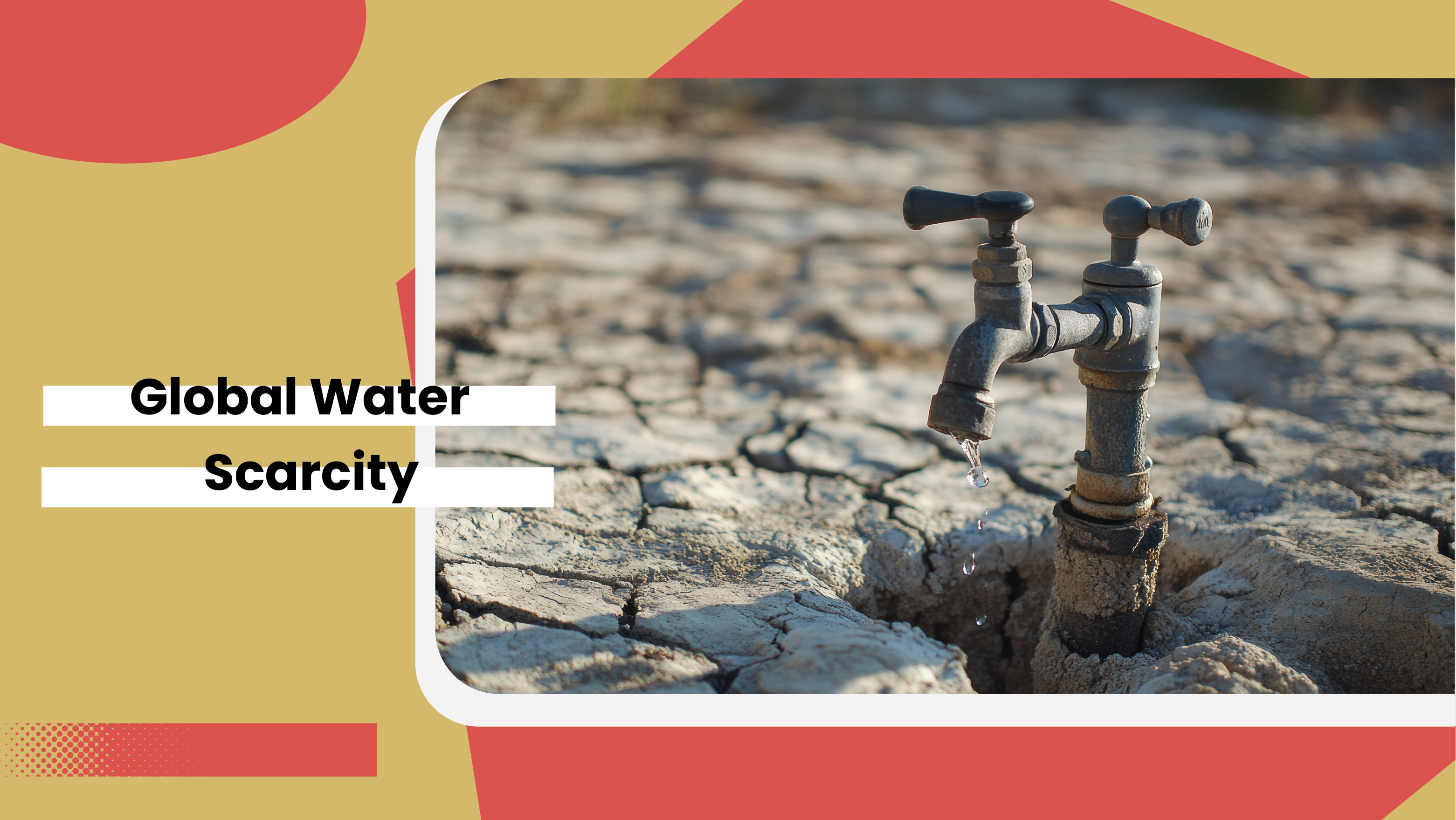
This lesson examines the issue of water scarcity around the world, the causes, impacts, and potential solutions to the problem. It explores the importance of water conservation and sustainable management of water resources.
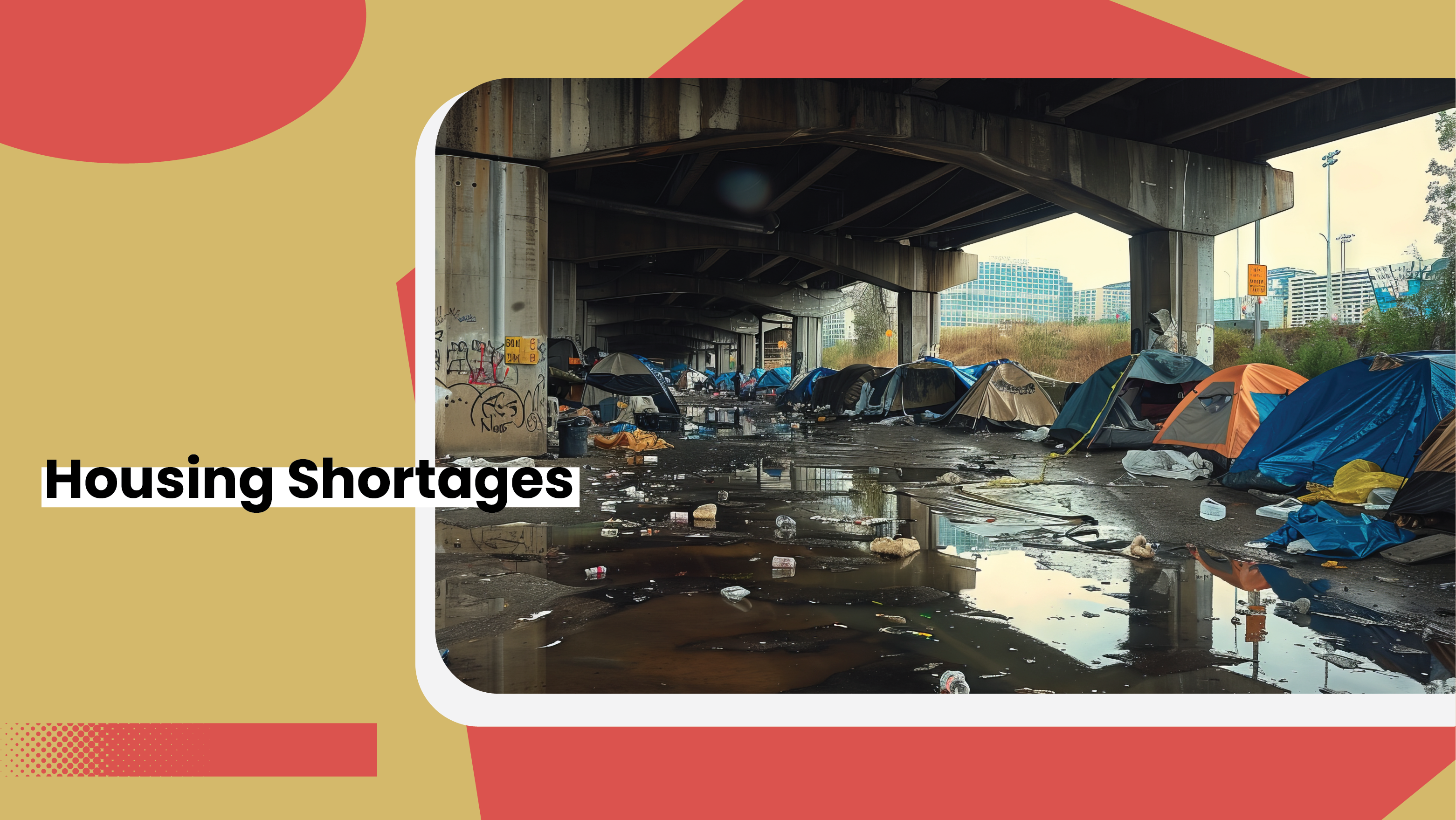
This lesson covers the causes and effects of housing shortages, challenges in finding affordable housing, potential solutions, and the impact of government policies and urban planning on housing availability.
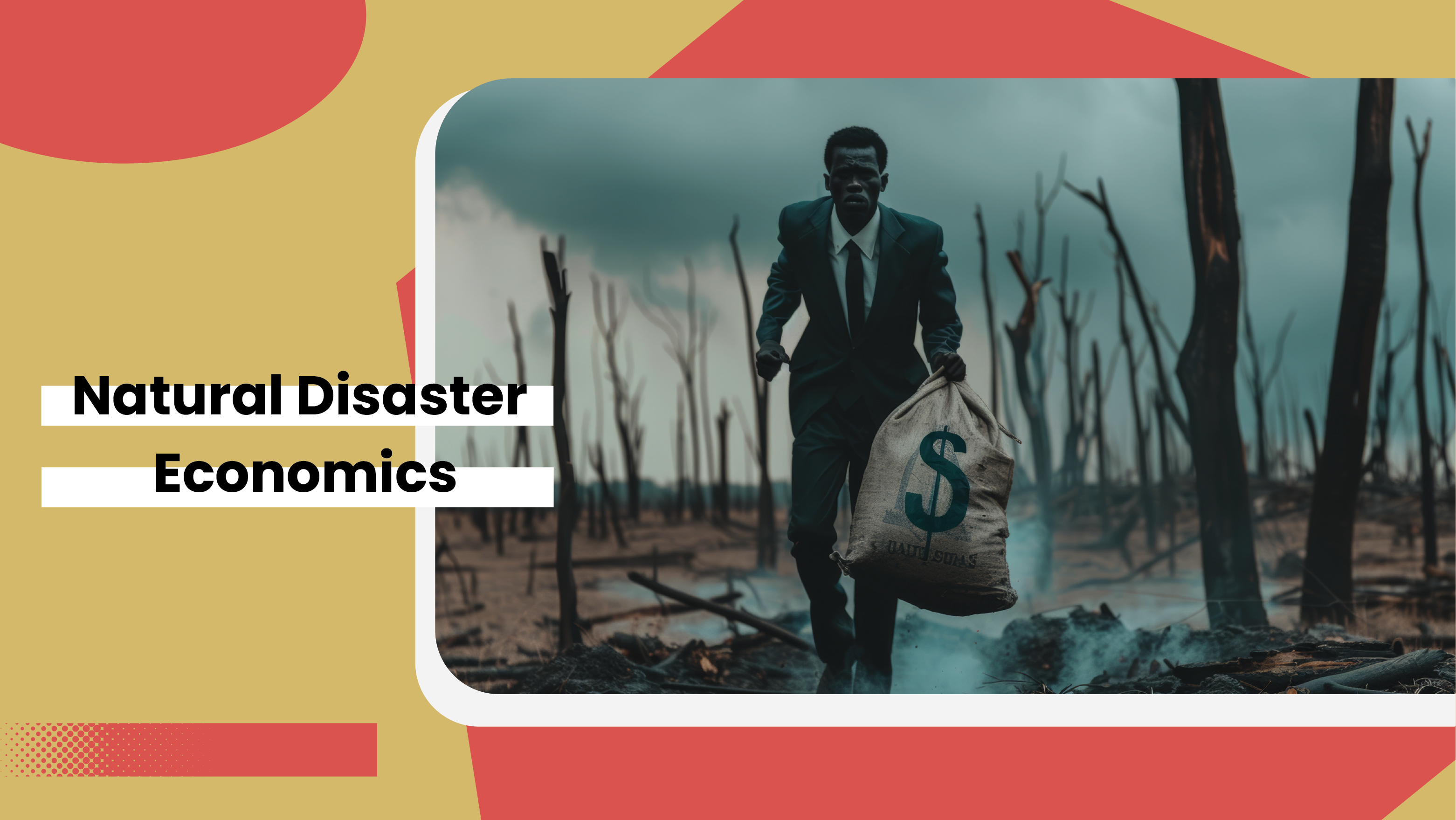
This lesson explores the economic effects of natural disasters, including the financial challenges faced by individuals and governments, the role of insurance and aid, and how communities can better prepare for and recover from disasters.

This lesson explores the minimalist lifestyle, its benefits and challenges, and its impact on daily life, focusing on simplifying possessions for greater freedom, less stress, and a more sustainable way of living.
Students will reflect on whether having a degree is necessary for success and discuss alternatives to traditional education.

This lesson explores sports leagues, including how they operate and the roles of fans, players, and teams. Students will also discuss their favorite leagues and what makes them exciting to watch.
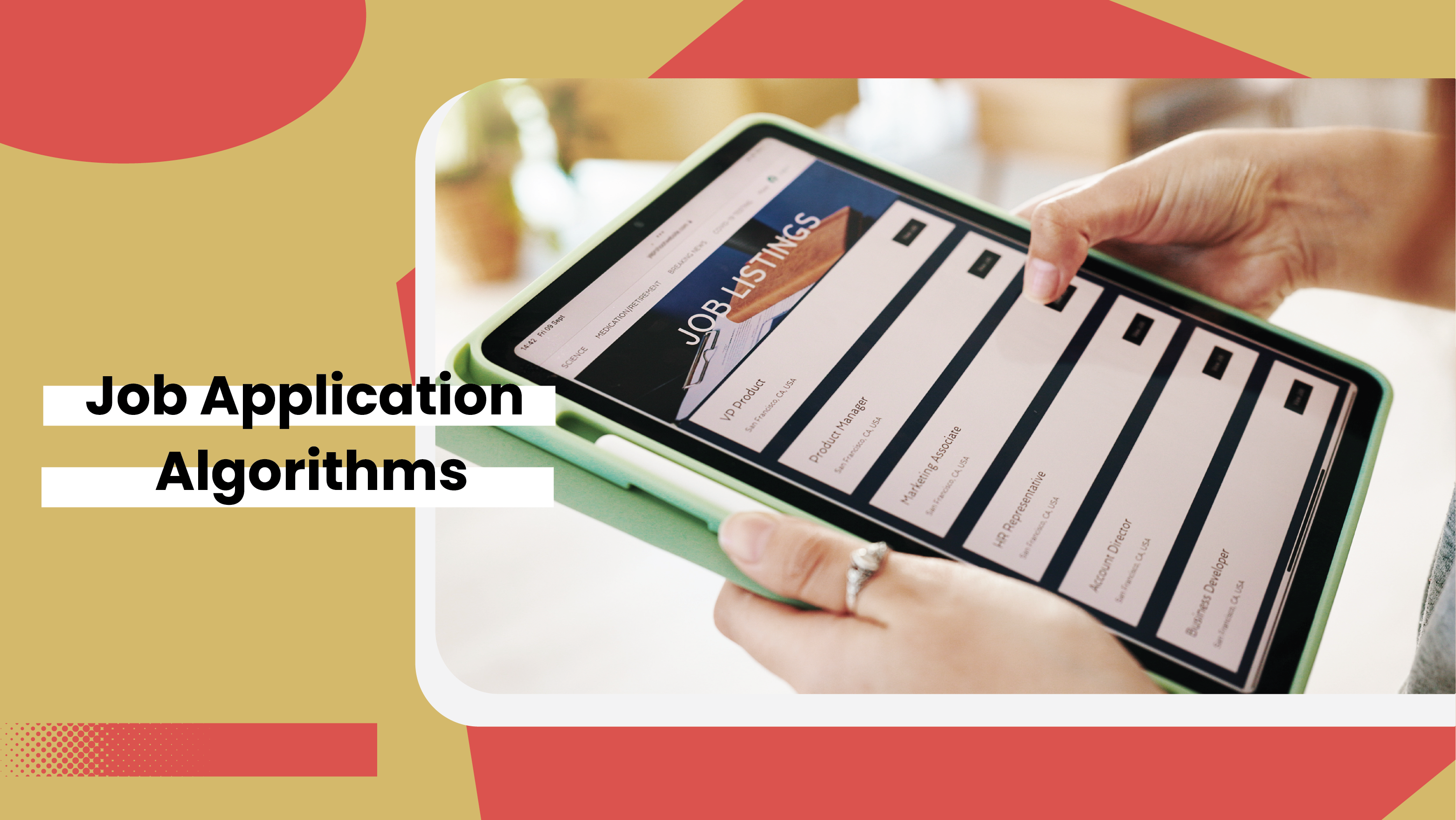
This lesson explores job application algorithms, including how companies use software to filter and rank applications. Students will learn about the role of keywords, qualifications, and other factors that impact the success of job applications.

This lesson explores the effects of online retail on traditional stores, consumer habits, and the economy. Students will discuss how e-commerce has changed shopping behaviors, the advantages and disadvantages of online shopping, and the future of retail.
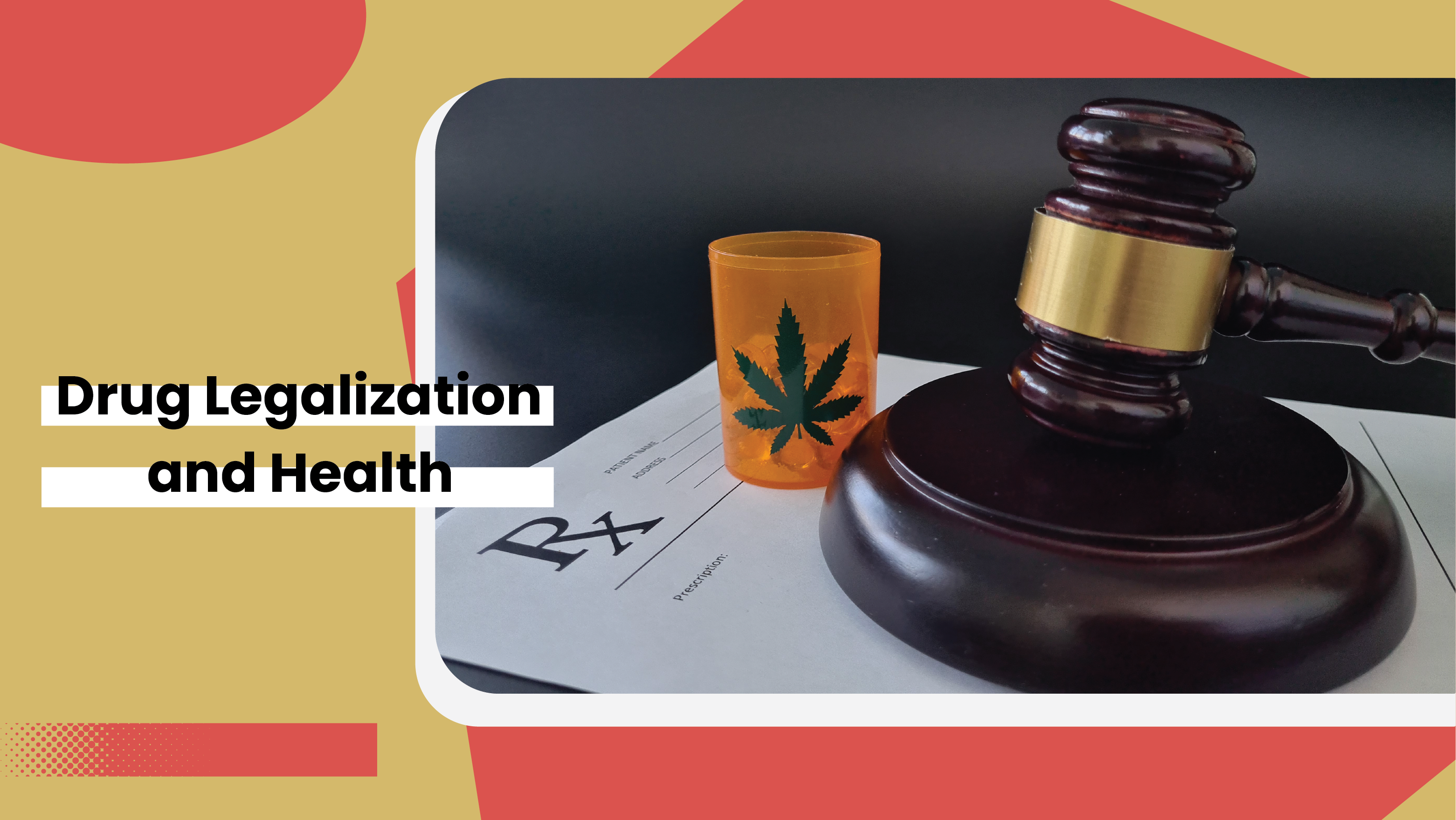
Students will discuss different perspectives on legalizing drugs, the potential health risks, and benefits associated with drug use, and the societal consequences of such decisions.

Students will discuss how animals survive in cities, the challenges they face, and the impact of human development on their habitats.
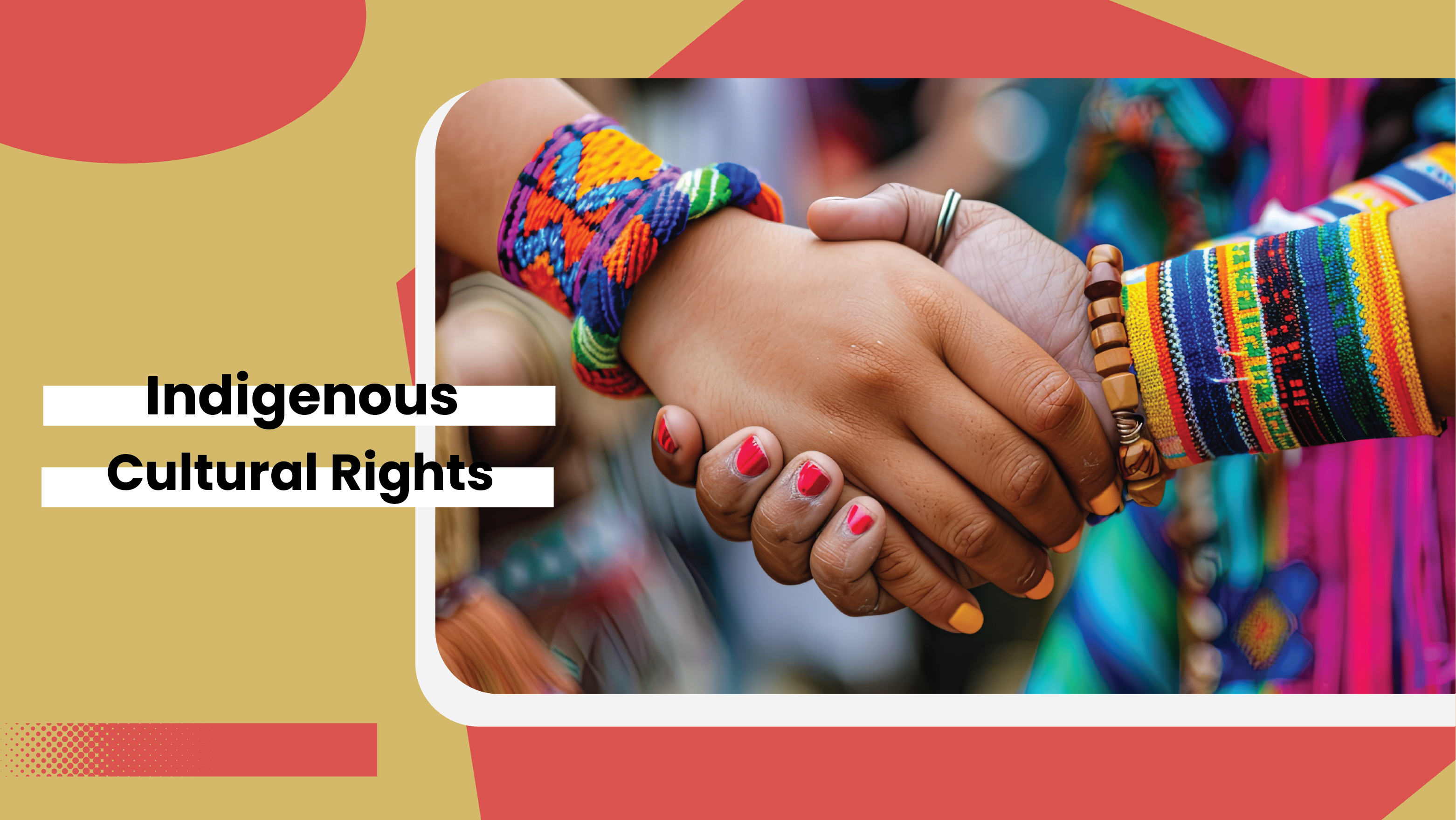
Students will explore the challenges indigenous groups face in maintaining their identity and discuss society's role in protecting these rights.
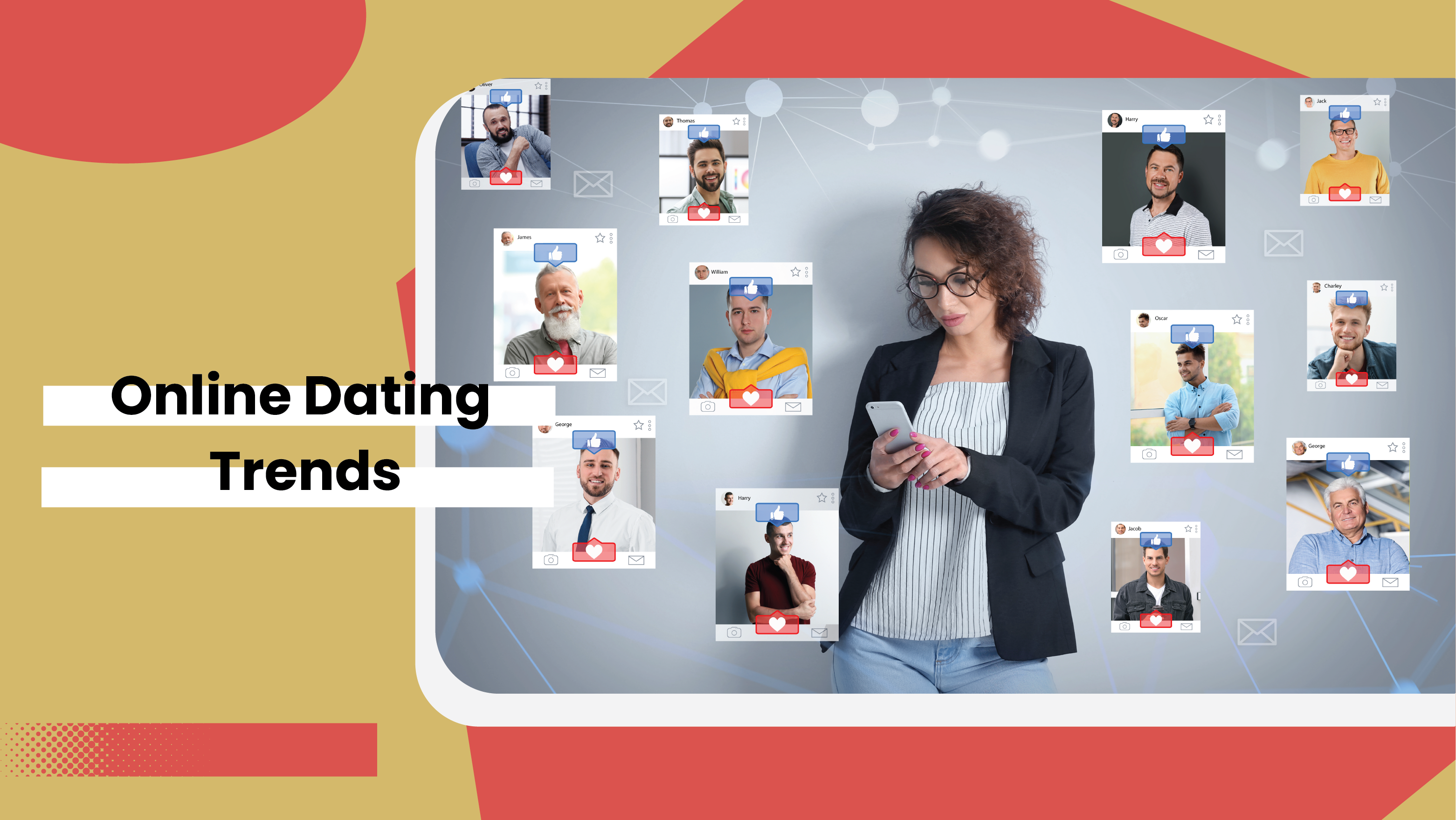
Students will discuss how online dating has changed modern relationships and share their thoughts on the topic.
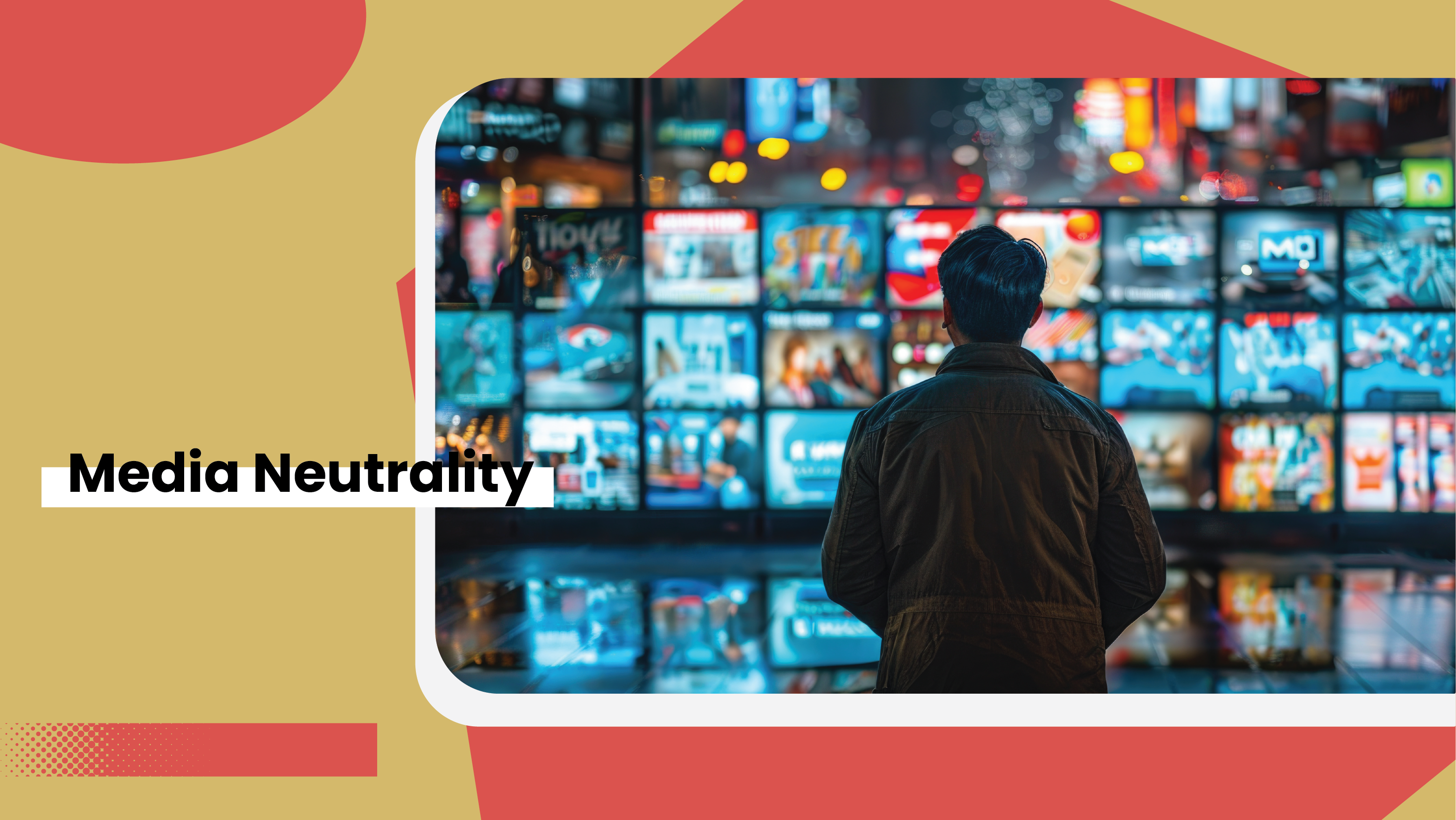
Students will discuss their views on media trustworthiness and neutrality in the digital age.
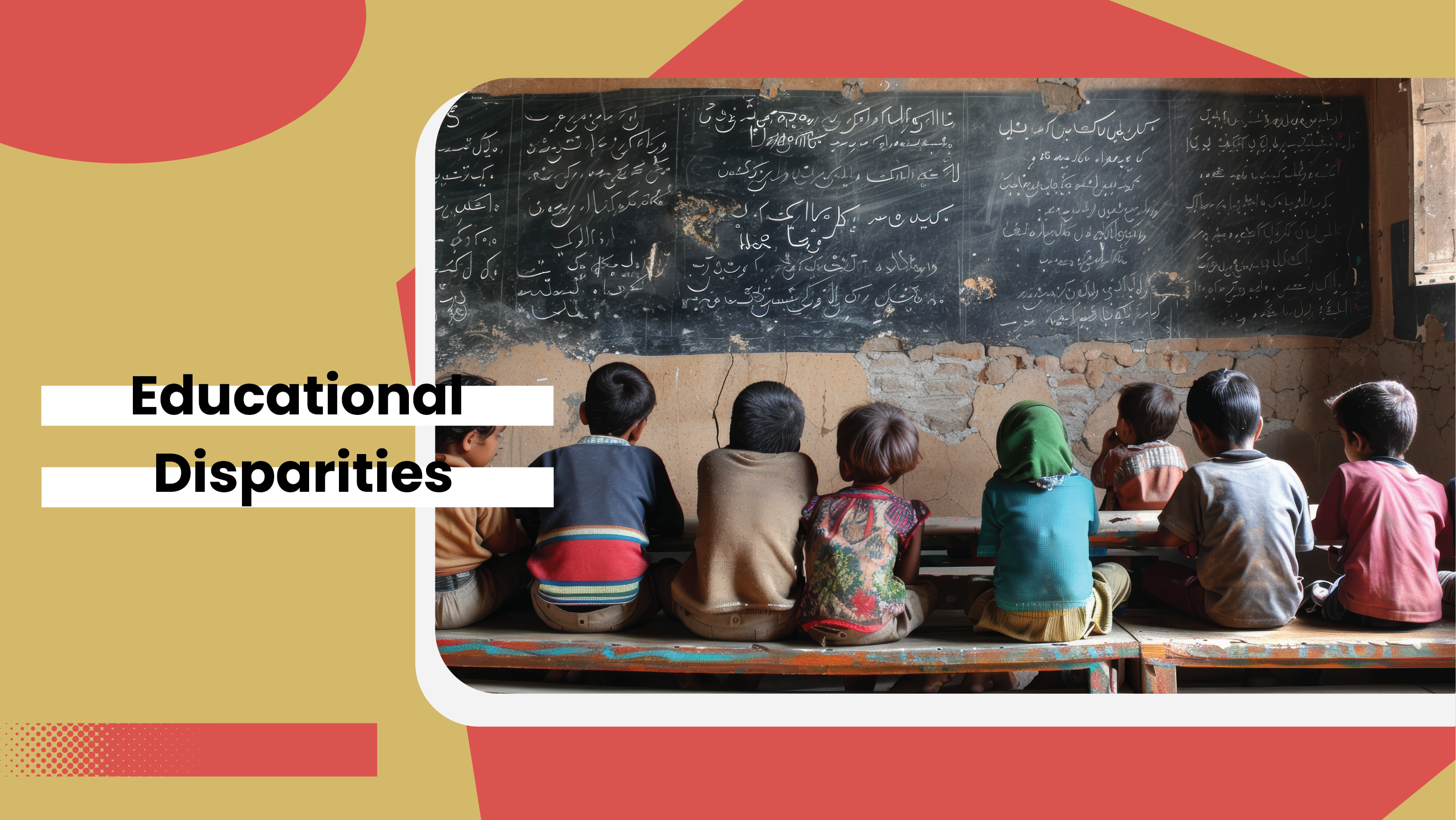
Students will discuss the importance of equal access to education and share their thoughts on solutions to bridge the educational gap.